
Rubbing compound vs polishing compound is a question many car owners ask when trying to keep their vehicles looking new. According to recent industry reports, over 60 percent of car owners in the US regularly invest in professional detailing to protect their paint and maintain shine. Choosing the right compound can make a big difference in removing scratches, oxidation, and swirl marks. At our car detailing Bethlehem PA service, we help customers understand which products work best so their cars stay glossy and protected year-round.
What is Rubbing Compound?
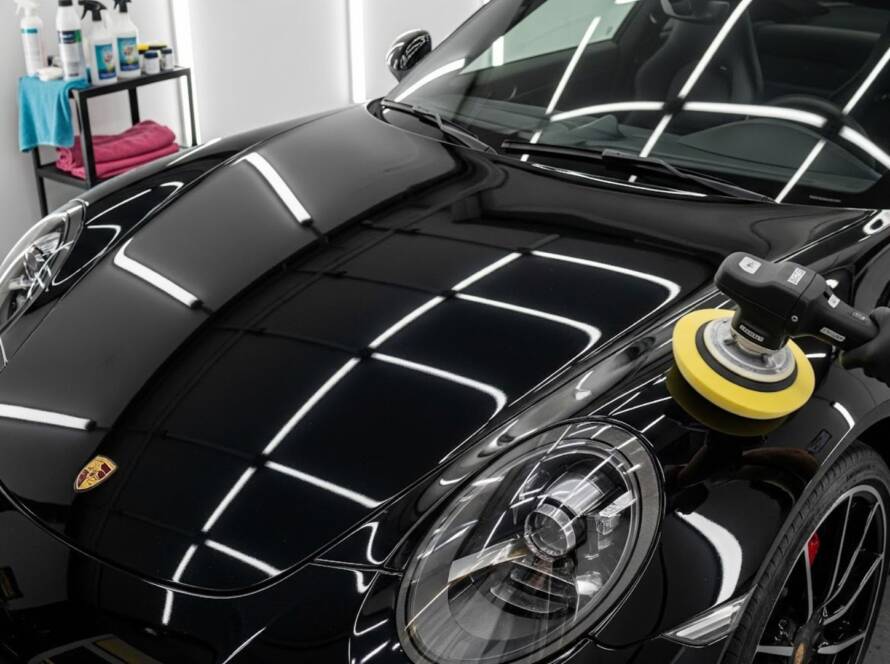
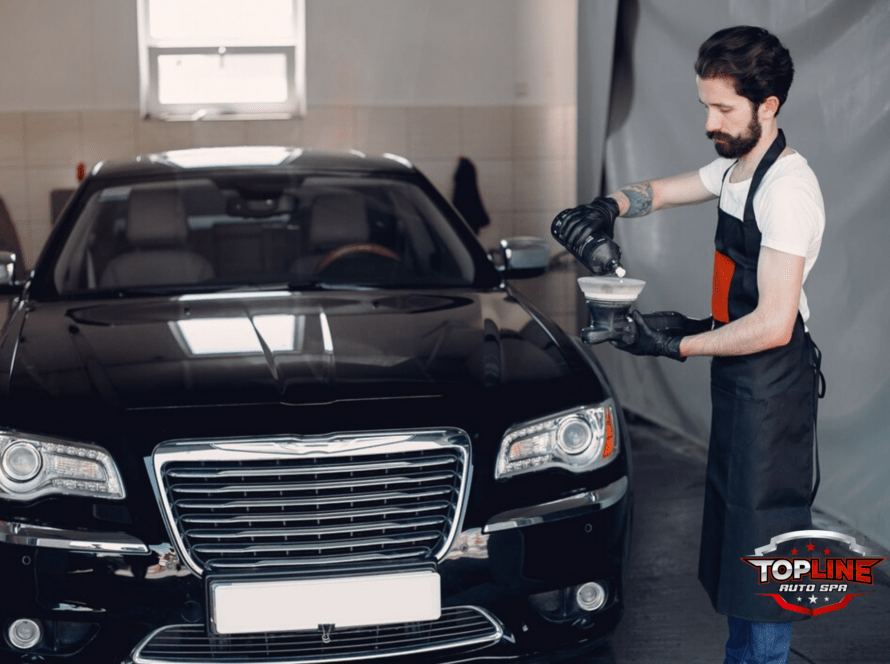
Rubbing compound is a strong abrasive used to remove deep scratches, oxidation, and water spots from car paint. Many car owners get confused about rubbing compound vs polishing compound because they look similar but serve different purposes. Using the right product can restore your car’s finish without damaging the paint.
Understanding the difference between rubbing compound and polishing compound helps you pick the correct solution for your car.
Features
Rubbing compound is a strong abrasive product designed to smooth out rough areas on your car’s paint. Its formula is thicker and gritty, which helps remove deep scratches, oxidation, and stubborn water spots. When applied correctly, it safely resurfaces the paint and prepares it for further polishing or waxing. Many car owners get confused about rubbing compound vs polishing compound because they seem similar, but rubbing compound is much more aggressive.
Uses
Rubbing compound works best for heavy paint issues. It removes deep scratches, oxidation, water spots, and minor imperfections. It is ideal for cars that have faded paint or have suffered from sun and environmental damage. Applying it carefully can restore the surface without harming the underlying paint.
Benefits
Using rubbing compound helps restore your car’s original paint and shine. It prepares the surface for polishing and waxing, making the finish smoother and more reflective. Regular use under professional guidance extends the life of your car’s paint and keeps it looking new.
What is Polishing Compound?
Polishing compound is a mild abrasive used to smooth light scratches, swirl marks, and dull areas on your car’s paint. Many people get confused about rubbing compound vs polishing compound because both improve the finish, but polishing compound is gentler and focuses on enhancing shine rather than removing deep scratches.
The main advantage of polishing compound is a glossy, smooth surface that makes your car look like new. Knowing the difference between rubbing compound and polishing compound helps you choose the right product for your vehicle. Interior car detailing near me experts can guide you safely.
Features
Polishing compound is gentle and less abrasive than rubbing compound. It is made to smooth the car’s paint without removing too much surface. This makes it perfect for improving shine while keeping the paint safe.
Uses
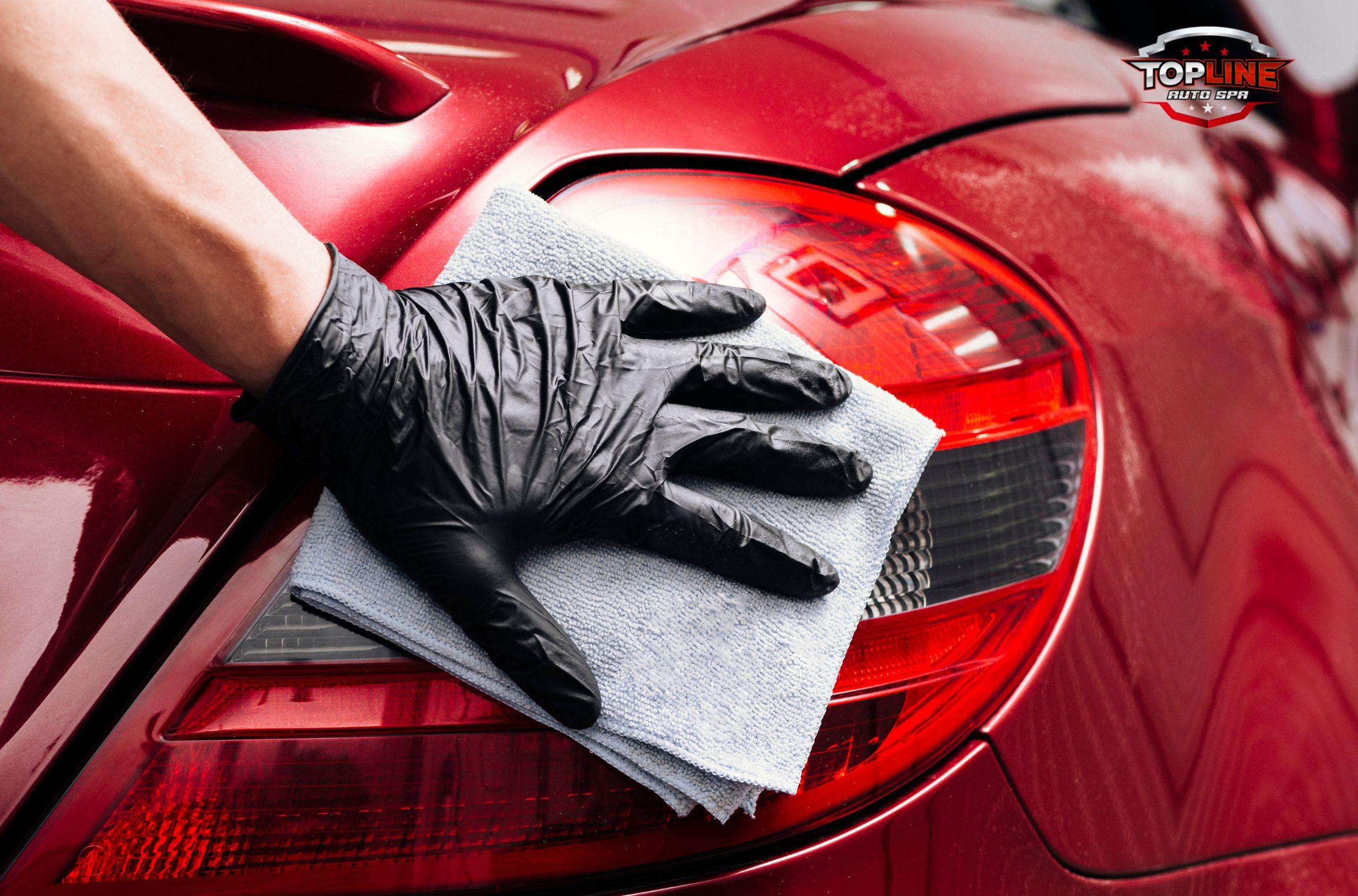
It works well for removing light scratches, swirl marks, and dull spots. It also prepares the paint for waxing, helping the wax stick better and last longer.
Benefits
Polishing compound enhances the gloss of your car. It smooths the paint, improves its overall look, and gives your vehicle a fresh, polished finish. The science behind rubbing compound lies in its ability to remove minor scratches and oxidation, and improve your vehicle’s overall appearance.
Key Differences Between Rubbing and Polishing Compounds
Rubbing compound is more abrasive and is used to remove deep scratches, oxidation, and stubborn paint flaws. Polishing compound is gentler and focuses on smoothing minor scratches and enhancing shine.
The main difference is how much paint each removes and the finish it creates. Rubbing compound preps the surface, while polishing compound gives a smooth, glossy result. Using them correctly keeps your car’s paint healthy and looking new.
Conclusion
Understanding the difference between rubbing compound vs polishing compound helps keep your car’s paint smooth and shiny. Rubbing compound works best for deep scratches, while polishing compound enhances gloss and minor imperfections. Using the right product protects your paint and makes maintenance easier.
Looking for full service auto detailing near me? Schedule your professional car detailing service with TopLine AutoSpa today and give your car the flawless finish it deserves.
FAQs
Q1: Can I combine rubbing compound with polishing compound?
Yes, you can use both, but in the right order. Begin with rubbing compound for extensive scratches, followed by polishing compound to improve gloss. This approach provides a smooth, shiny look while safeguarding your paint.
Q2: Will rubbing compound remove clear coat?
Rubbing compound is abrasive, so if overused, it can thin the clear coat. Apply carefully or let a professional handle it.
Q3: How often should I polish my car?
Polishing is usually needed 2–3 times a year, depending on your car’s exposure to sun and dirt. Regular maintenance keeps paint looking fresh.