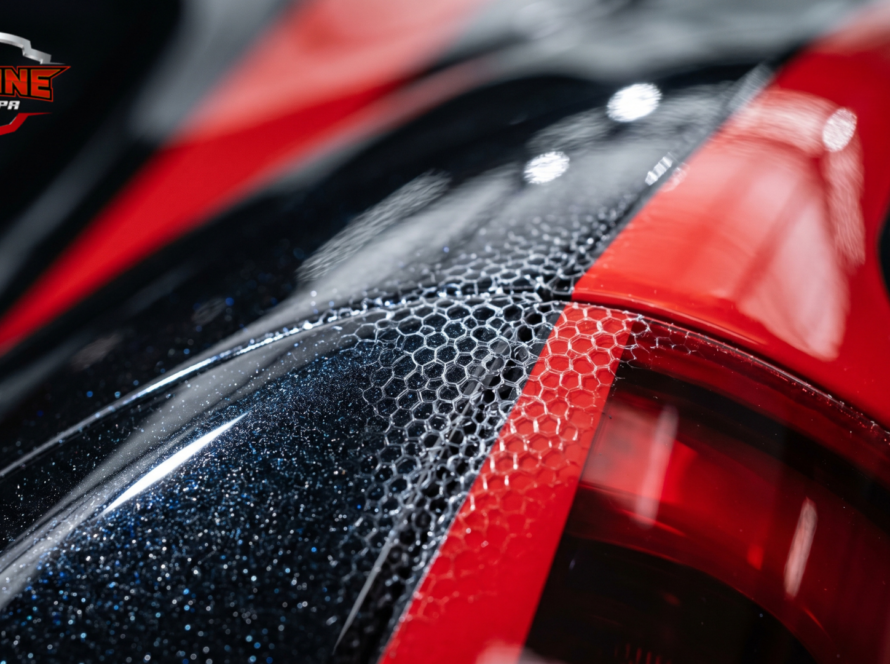

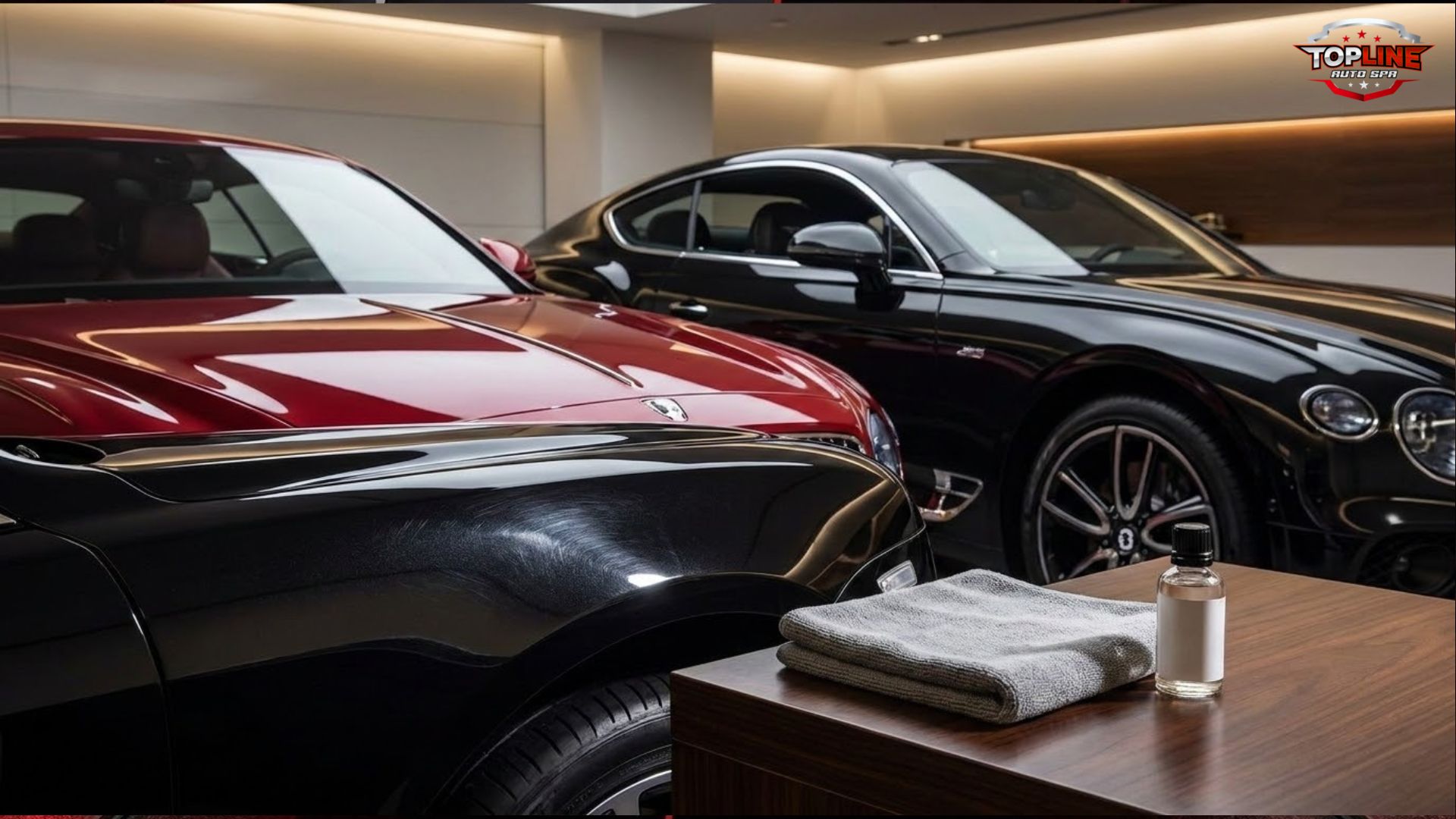
Your car’s glossy finish isn’t just for looks—it’s protected by a thin, transparent layer called the clear coat. This layer acts as a shield against UV rays, dirt, contaminants, and minor scratches.
But over time, this protective layer can break down, leading to fading, dullness, and visible damage. This is known as clear coat damage—and once it starts, it can quickly get worse if not addressed.
If you’re noticing early signs, getting professional help like paint correction can restore your car’s appearance before the damage becomes permanent.
Key Takeaways
- Clear coat is the top protective layer of your car’s paint
- Damage leads to fading, peeling, and dull appearance
- UV exposure is the biggest cause of clear coat failure
- Improper washing can accelerate damage
- Early prevention is far cheaper than repainting
- Protective treatments help extend paint life
What Is Clear Coat Damage?
Clear coat damage occurs when the top transparent layer of your car’s paint begins to deteriorate. This layer is responsible for protecting the colored base coat underneath and giving your car its glossy finish.
When the clear coat fails, your car loses its shine and becomes more vulnerable to deeper damage like oxidation and paint peeling.
Signs of Clear Coat Damage
Fading and Dullness
Your car may start to look less shiny and more matte over time.
Peeling or Flaking
In advanced stages, the clear coat can begin to peel off in patches.
Oxidation
A chalky or cloudy appearance is a sign that the clear coat is breaking down.
Rough Texture
The surface may feel uneven or gritty due to contamination and wear.
What Causes Clear Coat Damage?
UV Exposure
Constant sunlight breaks down the protective layer, causing fading and oxidation.
Improper Washing
Using dirty cloths or harsh methods can create micro-scratches that weaken the clear coat.
Environmental Contaminants
Bird droppings, tree sap, and pollution contain chemicals that can damage the surface.
Neglect
Lack of regular maintenance allows damage to build up over time.
How to Prevent Clear Coat Damage
Wash Your Car Properly
Use microfiber towels, proper car shampoo, and safe washing techniques to avoid scratches.
Park Smart
Whenever possible, park in shaded or covered areas to reduce sun exposure.
Remove Contaminants Quickly
Don’t let bird droppings or sap sit on your car for too long.
Apply Protective Coatings
Adding protection is one of the most effective ways to prevent clear coat damage.
A high-quality ceramic coating creates a durable layer that protects against UV rays, dirt, and contaminants while maintaining your car’s shine.
Best Solutions to Fix Clear Coat Damage
Paint Correction
For minor to moderate damage, paint correction can restore the surface by removing imperfections and bringing back the shine.
Repainting (Severe Cases)
If the clear coat is completely damaged, repainting may be required.
Prevent Further Damage
Once restored, applying protective solutions is essential to avoid future issues.
Solution: Protect Before It’s Too Late
Clear coat damage often starts small but worsens quickly if ignored. Taking early action can save you from expensive repairs and repainting.
Regular maintenance and professional care play a huge role in preserving your car’s finish. Choosing full service auto detailing ensures your vehicle is cleaned and protected using safe, professional methods.
Insight: Why Clear Coat Damage Is Often Misunderstood
Many car owners think fading or dullness is just dirt or aging, but in reality, it’s often early clear coat failure. Ignoring these signs can lead to permanent damage.
If you want a deeper understanding of how paint damage develops, learning about how driving habits affect your car’s paint condition can help you prevent long-term issues.
Conclusion
Clear coat damage is one of the most common yet overlooked issues that can affect your car’s appearance and long-term value. While it may start as minor fading or dullness, it can quickly progress into peeling and irreversible paint damage if not addressed in time.
The good news is that clear coat damage is largely preventable. By following proper washing techniques, avoiding harsh conditions, and taking quick action when contaminants appear, you can significantly reduce the risk. More importantly, investing in protective solutions like ceramic coating adds an extra layer of defense that keeps your car looking newer for longer.
Regular maintenance and professional detailing also play a key role in preserving your vehicle’s finish. These practices not only enhance appearance but also extend the life of your paintwork.
In the end, protecting your car’s clear coat is about being proactive rather than reactive. A little care today can save you from costly repairs tomorrow and keep your vehicle in excellent condition for years to come.
FAQs
1. Can clear coat damage be fixed?
Yes, minor damage can be corrected with paint correction, but severe damage may require repainting.
2. How long does clear coat last?
With proper care, it can last several years, but neglect can shorten its lifespan.
3. What is the best way to protect clear coat?
Using ceramic coating, proper washing techniques, and regular maintenance are the best methods.