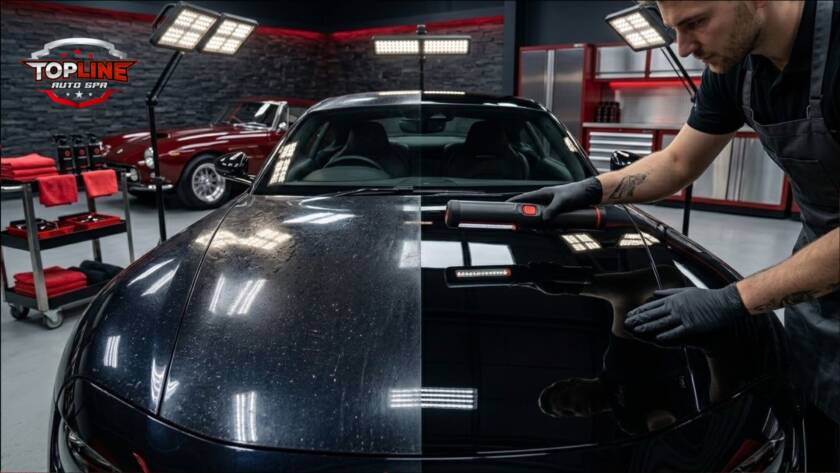
Many car owners notice rough spots, dullness, or marks on their vehicle and immediately assume the paint is damaged. In reality, not every imperfection means your paint is ruined. Sometimes the issue is simply surface contamination—something sitting on top of the paint rather than damaging it permanently.
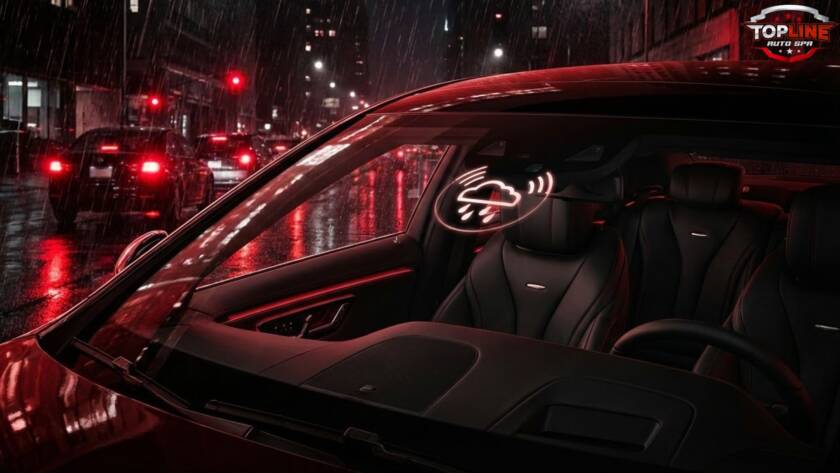
Modern cars are smarter than ever—and one of the most underrated features is the rain sensor system. Instead of manually adjusting wipers during sudden rain, your car can detect moisture on the windshield and respond instantly.
But how does your vehicle actually “know” when it’s raining? And why does proper maintenance matter for this system to work correctly?
Understanding this technology is important, especially since your windshield and surrounding surfaces need to stay clean and damage-free. Many car owners also invest in paint protection film near me to reduce external damage that can indirectly affect visibility and sensor performance.
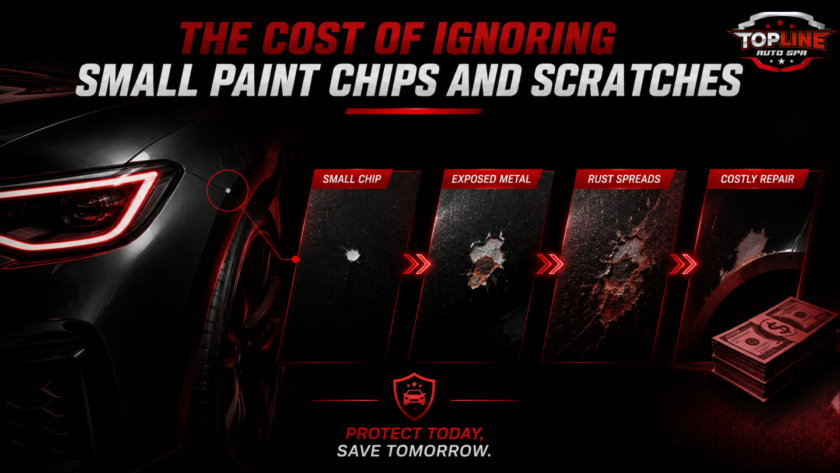
Recent auto care studies show that more than 70 percent of vehicles develop visible paint chips within the first two years of regular driving. Most of these chips come from loose gravel, road salt, and daily highway use. At first, they may look small and harmless, so many drivers choose to ignore them.
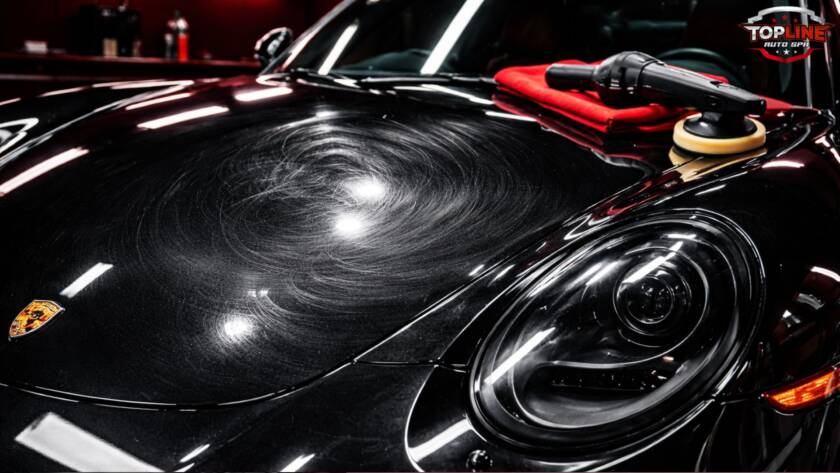
Recent industry data shows that more than 65 percent of luxury car owners notice paint damage within the first year of driving, even on brand-new vehicles. Porsche owners see this even faster because these cars are built for performance, not just parking lot looks. High speeds, low front ends, and wide body panels make Porsche paint more exposed to road debris.
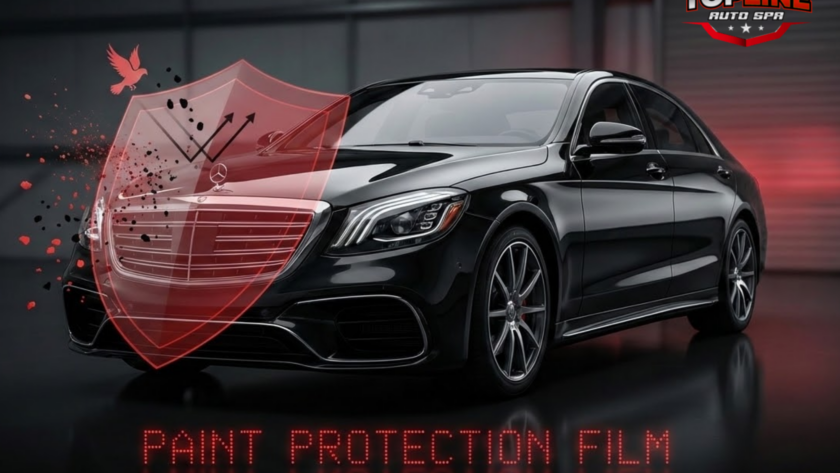
According to recent data, more than 60% of new car owners now invest in paint protection. One of the most trusted options is PPF. It's a delicate, visible coat that safeguards your car's paint against scratches, chips, and harm from the sun.