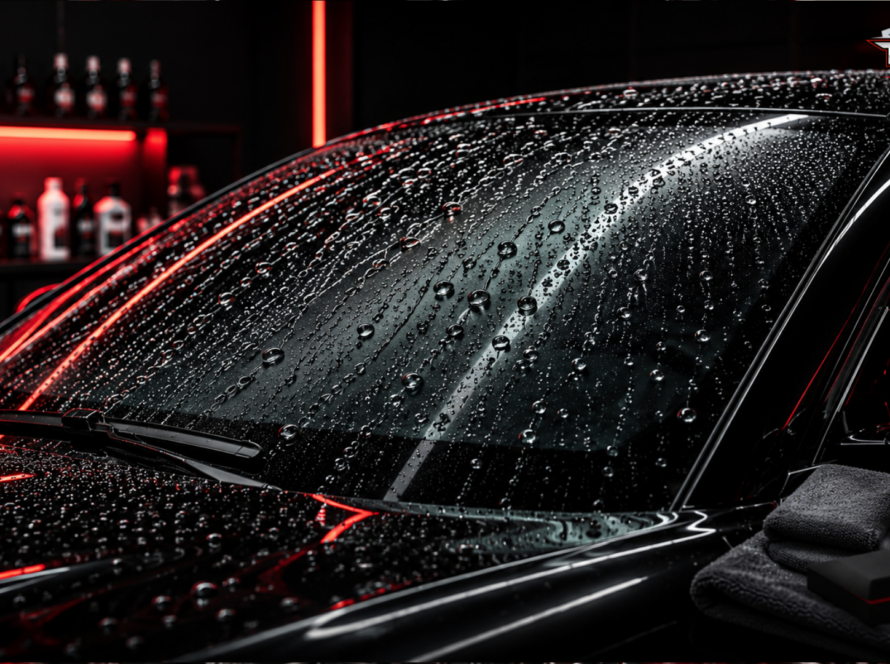


Modern cars are smarter than ever—and one of the most underrated features is the rain sensor system. Instead of manually adjusting wipers during sudden rain, your car can detect moisture on the windshield and respond instantly.
But how does your vehicle actually “know” when it’s raining? And why does proper maintenance matter for this system to work correctly?
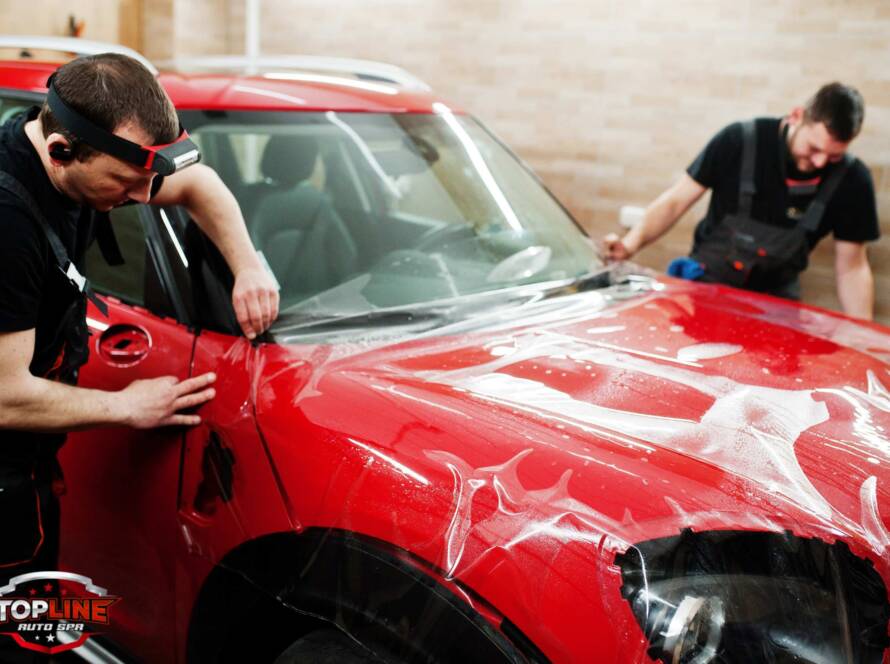
Understanding this technology is important, especially since your windshield and surrounding surfaces need to stay clean and damage-free. Many car owners also invest in paint protection film near me to reduce external damage that can indirectly affect visibility and sensor performance.
Key Takeaways
- Rain sensors automatically detect moisture on your windshield
- They improve driving safety and convenience
- The system uses optical technology to sense water droplets
- Dirt, damage, or poor maintenance can affect accuracy
- Regular detailing helps maintain sensor performance
- Advanced protection methods improve long-term reliability
What Are Rain Sensors in Cars?
Rain sensors are part of your car’s automated system that detects water on the windshield and activates the wipers automatically. Instead of relying on the driver to manually adjust wiper speed, the system continuously monitors the glass surface and responds in real time. This not only improves convenience but also enhances safety by ensuring consistent visibility during changing weather conditions.
They are usually located behind the rearview mirror, attached to the inside of the windshield. This placement allows the sensor to stay protected while maintaining a clear and accurate view of the glass surface. Because of this precise positioning, even small obstructions or dirt buildup in that area can impact how effectively the system works.
How Do Rain Sensors Work?
Optical Detection Technology
Rain sensors use infrared light to detect water droplets on the windshield. The sensor emits light at a specific angle into the glass, which then reflects back to a receiver. This reflection pattern is key to determining whether the surface is dry or wet.
- When the glass is dry → light reflects back normally and consistently
- When it rains → water droplets scatter the light, disrupting the reflection
This disruption signals the system to activate the wipers automatically. The technology is highly sensitive, which is why even minor contamination or residue on the windshield can affect its accuracy.
Automatic Adjustment
Modern rain sensor systems go beyond simple on/off functionality. They are designed to analyze the intensity of rainfall and adjust the wiper speed accordingly.
This means:
- Light drizzle → slow, intermittent wiping
- Moderate rain → steady wiping
- Heavy rain → fast, continuous wiping
This automatic adjustment ensures that your visibility remains optimal without constant manual input. It also reduces driver distraction, allowing you to stay focused on the road instead of adjusting controls.
Why Rain Sensors Are Important
Improved Safety
Rain sensors significantly reduce the need for driver intervention. You don’t have to take your hands off the wheel or your eyes off the road to adjust wipers, which is especially important during sudden weather changes. This quick response can make a noticeable difference in preventing accidents.
Better Visibility
Immediate activation of wipers ensures that rainwater doesn’t accumulate on the windshield. This is crucial during heavy downpours where even a few seconds of reduced visibility can be dangerous. The system maintains a clear line of sight at all times.
Convenience
Driving becomes more comfortable when your car handles small adjustments automatically. Whether it’s a light drizzle or a sudden storm, the system adapts instantly, eliminating the need for constant manual control.
What Affects Rain Sensor Performance?
Dirt and Dust on Windshield
Contaminants like dust, pollen, and grime can interfere with the sensor’s ability to read the glass surface accurately. These particles can distort the infrared light reflection, leading to delayed or incorrect wiper activation.
Scratches or Damage
Even minor chips or scratches can disrupt how light travels through the windshield. Since rain sensors rely on precise optical readings, any imperfection in the glass can reduce their effectiveness or cause inconsistent behavior.
Improper Cleaning
Using rough cloths, dirty sponges, or harsh chemicals can create micro-scratches over time. These tiny imperfections may not be visible immediately but can still affect sensor accuracy.
Applying ceramic coating lehigh valley pa helps keep the surface cleaner by repelling water, dirt, and contaminants, which improves overall sensor efficiency and reduces maintenance frequency.
How to Maintain Rain Sensors Properly
Keep the Windshield Clean
Regular cleaning is essential for maintaining accurate sensor readings. A clean windshield allows the infrared light to reflect properly, ensuring the system works as intended. Even a thin layer of grime can affect performance.
Avoid Cheap Cleaning Tools
Low-quality cloths or improper cleaning materials can leave streaks or cause scratches. Always use microfiber towels and automotive-safe cleaning products to protect both the glass and the sensor area.
Professional Maintenance
Opting for full service auto detailing near me ensures your windshield and surrounding areas are cleaned using proper techniques. Professionals understand how to handle sensitive components without causing damage, which helps maintain long-term performance.
Fix Damage Early
If your windshield develops scratches, swirl marks, or minor imperfections, addressing them early is crucial. Delaying repairs can worsen the issue and impact sensor accuracy. In such cases, paint correction near me can help restore clarity and improve overall visibility.
Solution: Ensure Clear Visibility for Accurate Detection
Rain sensors depend entirely on a clean and undamaged surface to function correctly. Regular maintenance, proper cleaning methods, and timely repairs play a key role in ensuring consistent performance.
Ignoring small issues—like minor dirt buildup or tiny scratches—can gradually lead to incorrect readings, delayed wiper response, or even complete system malfunction. Taking a proactive approach helps avoid these problems and ensures your rain sensors work reliably in all weather conditions.
Insight: Why Some Rain Sensors Stop Working Properly
Many drivers assume that rain sensor issues are caused by electronic failure, but in reality, the problem is often much simpler. Dirt buildup, improper cleaning methods, and unnoticed windshield damage are the most common reasons behind poor performance.
Over time, these factors interfere with how the sensor reads the surface, leading to inconsistent or delayed responses. If you’re already dealing with contamination on your car’s surface, understanding the best way to remove bugs from car without damaging paint can help you maintain both visibility and sensor accuracy effectively.
Conclusion
Rain sensors are a small feature that makes a big difference in your driving experience. By automatically detecting moisture and adjusting wiper speed, they enhance both safety and convenience, especially during unpredictable weather conditions.
However, like many advanced automotive features, their performance depends heavily on proper maintenance. A clean, smooth windshield allows the sensor to detect rain accurately, while dirt, scratches, or neglect can interfere with its functionality. This means that regular care isn’t just about keeping your car looking good—it directly impacts how well these systems perform.
Taking simple steps like using the right cleaning methods, avoiding abrasive materials, and addressing minor damage early can go a long way in preserving sensor efficiency. Combining this with professional detailing and protective solutions ensures that your windshield remains in optimal condition.
In the long run, maintaining your rain sensor system isn’t complicated—it’s about consistency and attention to detail. When properly cared for, this feature works seamlessly in the background, allowing you to focus on what matters most: safe and comfortable driving.
FAQs
1. How do rain sensors detect water?
They use infrared light reflection to detect moisture on the windshield, allowing the system to identify even small droplets and respond quickly.
2. Can dirt affect rain sensor performance?
Yes, dirt and contaminants can interfere with sensor readings, which may lead to delayed or inaccurate wiper activation.
3. Are rain sensors standard in all cars?
No, they are typically found in modern or higher-end vehicles, though they are becoming more common in mid-range models as well.