When spilled coffee, ground-in mud, or winter salt crust completely ruins your vehicle's carpet, scheduling a full interior shampoo feels like the ultimate restorative remedy. Having a clean, fresh floor surface dramatically boosts your driving experience and sharpens the overall visual appeal of your cabin. However, many car owners treat this process as a simple surface task, failing to realize that improper wet-cleaning techniques can quietly trigger severe structural risks beneath the visible fabric layers.
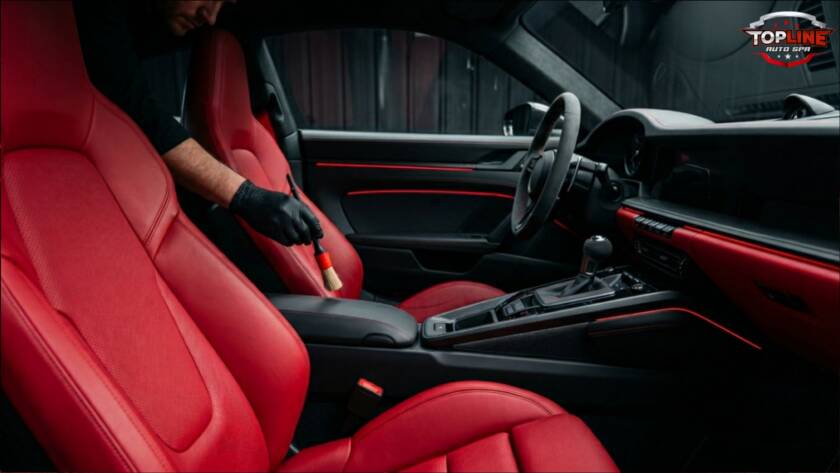
For most drivers, a routine trip through a local drive-through car wash feels like enough to keep a vehicle looking presentable. You drive past the spinning brushes, hand over a few dollars for a quick vacuum machine at the end, and wipe down the dashboard with a generic wet cloth. It is a fast, convenient routine, but surface-level tidying merely masks the dirt, oils, and bacteria that build up over months of daily driving. True restoration requires specialized interior car detailing to address the deep environmental contaminants lurking hidden out of sight.
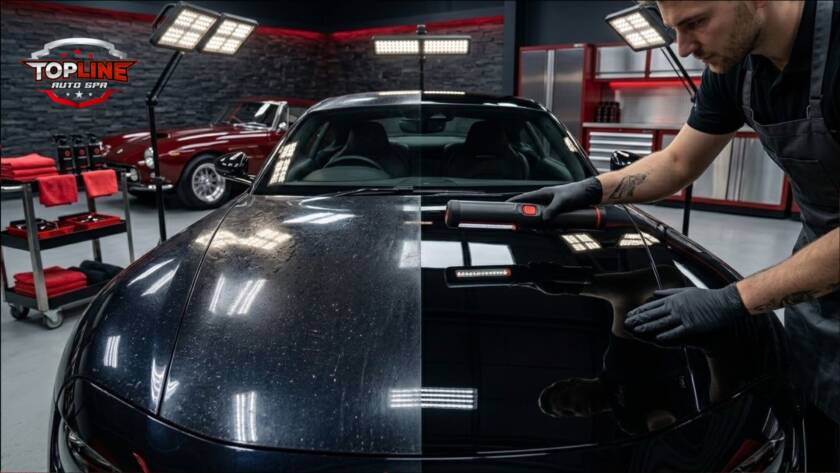
Many car owners notice rough spots, dullness, or marks on their vehicle and immediately assume the paint is damaged. In reality, not every imperfection means your paint is ruined. Sometimes the issue is simply surface contamination—something sitting on top of the paint rather than damaging it permanently.
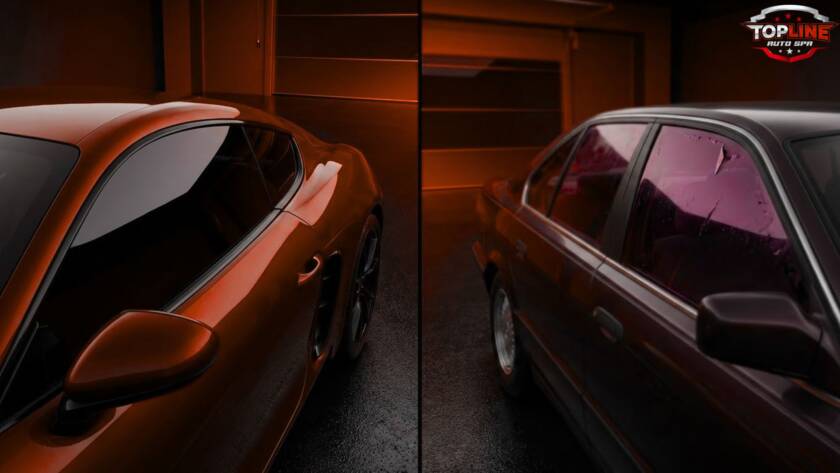
Window tinting is one of the most popular upgrades for cars—but not all tints are created equal. While cheap window tint might seem like a great way to save money upfront, many car owners end up paying more in the long run due to poor quality, fading, and frequent replacements.
So, is it really worth going cheap, or should you invest in better quality from the start?