
Paint protection film represents one of the smartest investments you can make in your vehicle’s finish. Yet one of the most common questions vehicle owners ask is: “How much does paint protection film cost?” The answer depends on several factors specific to your vehicle and your protection needs. Understanding paint protection film cost structure helps you make informed decisions about protecting your vehicle’s paint investment.
Paint protection film pricing varies based on which areas you’re protecting, your vehicle’s size and complexity, the film quality selected, and your vehicle’s current paint condition. Basic high-risk area coverage typically starts around a few hundred dollars, while comprehensive full-vehicle protection can exceed several thousand dollars. Understanding what drives these costs helps you evaluate quotes and choose the right protection strategy for your specific situation.
For Allentown and Lehigh Valley vehicle owners, paint protection film has particular value. Our region’s highway driving, especially on I-78 and surrounding routes, exposes vehicles to elevated rock chip risk from debris. Winter road conditions with salt and sand accelerate paint deterioration that PPF protects against. Professional paint protection film installation from TopLine Auto Spa provides peace of mind that your vehicle’s paint is defended against the specific threats our region presents.
This comprehensive guide explores paint protection film cost in detail, examining what affects PPF pricing, explaining what’s included in professional installation, discussing STEK paint protection film, and helping you understand whether PPF represents smart investment for your vehicle. Whether you’re considering protecting high-risk areas or comprehensive full-vehicle coverage, this guide provides the information needed to make informed decisions about paint protection film investment.
Key Takeaways
- Paint protection film cost varies significantly based on coverage area, vehicle size, film quality, and paint condition
- Professional high-risk area PPF coverage typically represents the most cost-effective protection option
- Full-vehicle PPF provides comprehensive protection but represents larger investment
- Vehicle size and body panel complexity directly affect installation labor and total PPF cost
- Paint preparation and condition assessment influence final PPF project cost
- Professional installation ensures optimal adhesion, longevity, and protection
- STEK paint protection film offers durable protection with proven performance
- Quality PPF installation prevents costly rock chip repairs and paint damage
- Proper maintenance after PPF installation extends film longevity
- Getting personalized quotes from professional installers like TopLine Auto Spa provides accurate pricing for your specific vehicle
Understanding Paint Protection Film Cost Basics
Paint protection film cost begins with understanding what you’re actually investing in and what factors influence pricing.
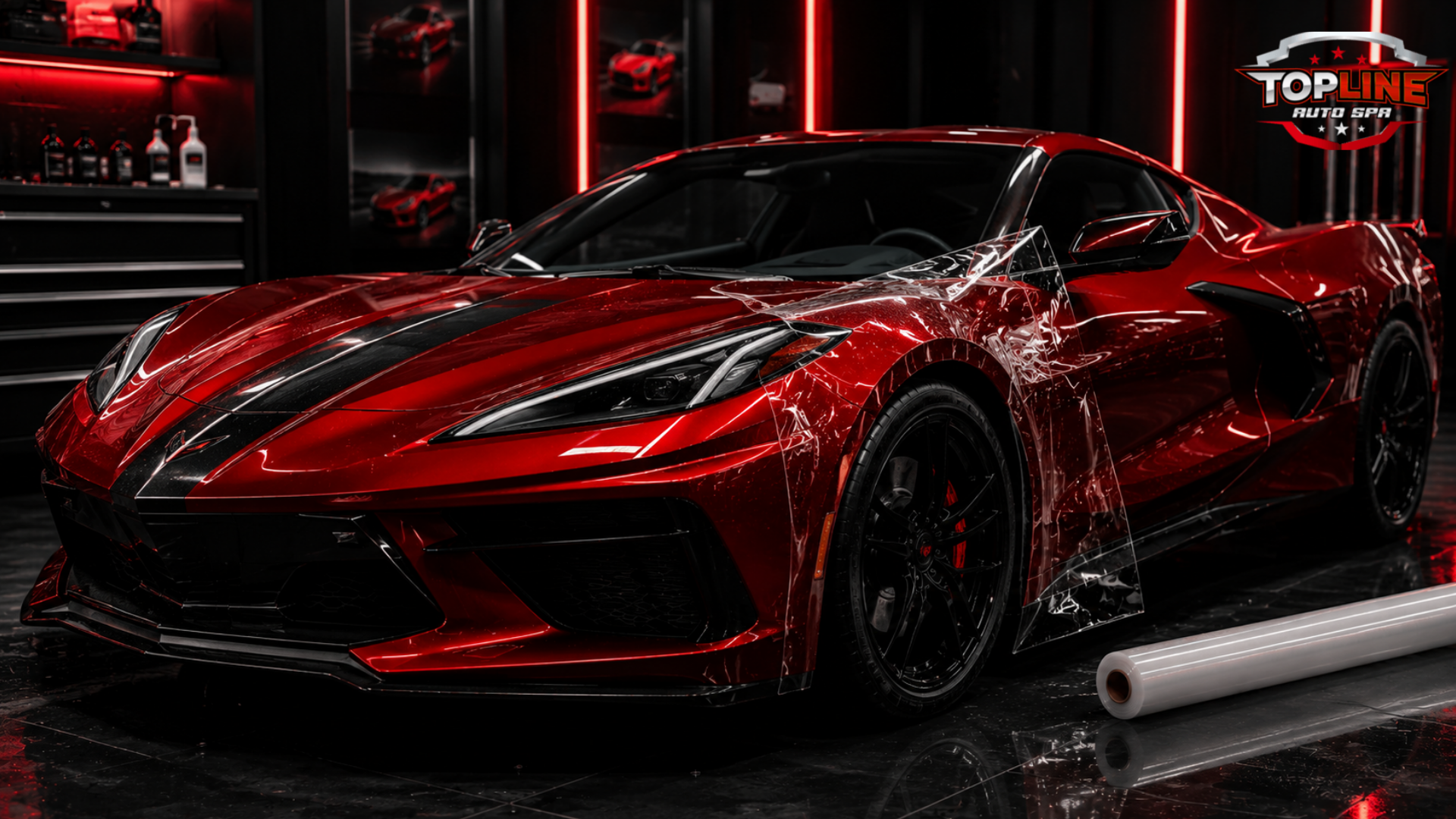
Paint protection film is a clear, adhesive-backed thermoplastic urethane film applied to your vehicle’s painted surfaces. This transparent barrier protects against rock chips, debris damage, scratches, and environmental contaminants. PPF remains invisible once properly installed, providing protection without altering your vehicle’s appearance.
The cost of paint protection film installation includes multiple components. The film material itself represents one cost factor. Professional labor for precise measurement, cutting, and application represents another significant cost component. Surface preparation ensuring optimal film adhesion adds additional cost. Quality varies between different PPF products, affecting material costs and protection longevity.
PPF pricing is not standardized across the industry. Different installers use different application methods, offer different coverage options, and maintain different quality standards. Professional shops like TopLine Auto Spa invest in training, specialized equipment, and quality control that supports their pricing structure.
Several primary factors influence how much paint protection film costs for your specific vehicle. Understanding these factors helps you interpret quotes and understand pricing differences between installations.
Factors That Influence Paint Protection Film Cost
Multiple factors directly affect how much you’ll invest in professional PPF installation. Understanding these factors helps you anticipate costs and make informed decisions.
Vehicle Size and Surface Area
Larger vehicles require more film material and longer installation time than compact vehicles. A full-vehicle PPF installation on a large SUV costs significantly more than protecting a compact sedan due to increased surface area requiring protection. Professional installers measure your specific vehicle to calculate accurate material requirements and labor time.
Coverage Area Selected
PPF pricing varies dramatically based on which surfaces you protect. High-risk area coverage protects the most vulnerable surfaces exposed to flying debris, typically hood, front fenders, front bumper, and side mirrors. This targeted approach provides maximum protection where damage most commonly occurs at reasonable cost.
Full-front coverage adds protection to additional surfaces beyond high-risk areas. Full-vehicle coverage protects all painted surfaces from hood to bumper to roof to rear quarter panels. Each expanded coverage option increases material cost and installation time proportionally.
Paint Condition and Preparation
Your vehicle’s current paint condition can affect total PPF cost. Paint that requires preparation, cleaning, decontamination, or minor correction before film application adds to project cost. Professional installers assess paint condition and may recommend paint preparation services, ensuring optimal film adhesion.
Paint protection film adheres best to clean, properly prepared surfaces. Adequate preparation prevents adhesion issues, bubbles, or premature film failure. This preparation cost, while adding to upfront expense, prevents costly problems and ensures PPF longevity.
Installation Complexity
Some vehicles present greater installation complexity than others. Vehicles with complex body lines, aggressive curves, numerous trim details, or difficult panel access require greater installer skill and time. This complexity affects labor costs proportionally.
Modern vehicles often have more complex designs than older vehicles, potentially affecting PPF installation cost. Custom or specialty vehicles might present unique challenges affecting installation time and expertise required.
Professional Expertise and Facility
Professional PPF installation requires specialized training, precision equipment, and controlled installation environments. Experienced installers with excellent reputations typically command premium pricing reflecting their expertise. Facilities maintaining climate-controlled workspaces, specialized lighting, and quality control systems invest in infrastructure supporting optimal PPF installation.
Professional shops like TopLine Auto Spa invest significantly in installer training, equipment, and facility standards ensuring quality installation and customer satisfaction. These investments support professional pricing reflecting the quality and expertise provided.
Paint Protection Film Cost by Coverage Area
Understanding typical PPF cost ranges for different coverage options helps you evaluate pricing for your specific needs.
High-Risk Area Coverage
High-risk area protection, hood, front fenders, front bumper, and side mirrors, represents the most popular and cost-effective PPF option. This coverage protects surfaces most exposed to flying debris and rock chips. Professional high-risk area PPF installation typically represents a moderate investment providing substantial protection value.
Rock chips occur most frequently on these front-facing surfaces from highway driving. Statistically, this coverage addresses 80-90% of rock chip damage without expense of full-vehicle protection. For many vehicle owners, high-risk coverage provides optimal cost-to-benefit value.
Full-Front Coverage
Full-front coverage extends protection beyond high-risk areas to include additional hood coverage, complete fender protection, full bumper coverage, and side panel protection. This expanded coverage provides more comprehensive protection than basic high-risk area coverage.
Full-front protection costs more than high-risk coverage due to increased material and labor. For vehicles driven frequently on highways or in environments with elevated rock chip risk, full-front coverage provides additional peace of mind.
Full-Vehicle Coverage
Complete PPF coverage protects all painted surfaces including hood, fenders, doors, roof, quarter panels, and rear bumper. This comprehensive protection means your entire vehicle is defended against rock chips and debris damage.
Full-vehicle PPF represents the largest investment but provides the most comprehensive protection available. Luxury vehicles, specialty vehicles, or vehicles kept long-term often benefit from full protection. The complete protection ensures your vehicle’s finish remains pristine regardless of driving conditions.
Understanding What’s Included in Professional PPF Installation
Quality PPF installation involves much more than simply adhering film to paint. Understanding what professional installation includes helps you appreciate why professional service justifies its cost.
Vehicle Preparation
Professional PPF installation begins with thorough vehicle preparation. Your vehicle is washed completely, removing all loose contamination. Surfaces requiring protection are cleaned thoroughly, removing any remaining dirt, dust, or residue. This comprehensive cleaning ensures optimal film adhesion.
Some vehicles might benefit from paint decontamination before PPF application. Clay bar treatment removes bonded environmental contaminants preventing proper film adhesion. Professional installers assess whether decontamination is necessary for optimal results.
Precise Measurement and Templating
Professional PPF installation requires precise measurement of each panel receiving protection. Installers measure your specific vehicle accounting for unique body curves, trim details, and design elements. These measurements create templates ensuring film fits perfectly.
Custom templating for your specific vehicle prevents waste, ensures proper coverage, and guarantees optimal fit. DIY attempts or inferior installations often result in improper fit, visible seams, or incomplete coverage.
Professional Installation
Skilled PPF installation applies film with precision ensuring no wrinkles, bubbles, or improper adhesion. Professional installers use heat application, squeegee technique, and specialized tools creating perfectly adhered film. This skilled application prevents the common problems associated with inferior installation.
Installation technique affects film longevity and appearance. Properly installed film provides years of reliable protection. Improperly installed film develops adhesion problems, cloudiness, or premature failure.
Quality Control and Inspection
Professional installations include quality control inspection ensuring optimal results. Installers inspect all edges, seams, and adhesion ensuring perfect installation. Any issues identified during inspection are corrected before work is completed.
Quality control ensures you receive the professional results your investment deserves.
Professional Warranty
Quality professional installations typically include warranty coverage on installation workmanship. This warranty protection ensures problems are addressed at no additional cost within the warranty period. Professional warranty represents important value distinguishing professional installation from DIY attempts.
Paint Preparation and Its Role in PPF Cost
Paint condition assessment and any necessary preparation work can influence total PPF project cost. Understanding this relationship helps you anticipate potential additional expenses.
Vehicles with perfect paint condition require minimal preparation before PPF application. A thorough cleaning and decontamination might be all that’s necessary. These vehicles move quickly through the preparation phase with minimal additional cost.
Vehicles with paint damage, swirl marks, scratches, water spots, or oxidation, might benefit from paint correction before PPF application. Paint correction addresses existing damage before protective film is applied. This approach prevents damage from being locked under PPF where it becomes permanent until film eventually fails.
Paint correction costs vary based on damage severity. Light correction addressing minor swirl marks costs less than heavy correction addressing significant oxidation or scratches. Professional painters assess damage and recommend appropriate correction levels.
Some vehicles might require specialized preparation like tar removal or industrial fallout removal. These additional preparation services, while adding to project cost, ensure optimal PPF adhesion and longevity.
Professional installers like TopLine Auto Spa assess paint condition and discuss preparation options with customers before beginning installation. This transparent discussion ensures no surprise costs and optimal final results.
STEK Paint Protection Film: What TopLine Auto Spa Offers
TopLine Auto Spa uses STEK paint protection film for customer installations. STEK PPF represents a quality option providing proven protection for vehicle paint.
STEK paint protection film is engineered to protect against rock chips, debris damage, scratches, and environmental contaminants. The film provides self-healing properties where minor scratches disappear when exposed to heat. This self-healing capability maintains film appearance and effectiveness throughout its lifespan.
STEK PPF maintains optical clarity allowing your vehicle’s paint color and finish to show through without yellowing or cloudiness. This transparency means protection remains invisible to observers while actively defending your paint.
Professional installation of STEK PPF through TopLine Auto Spa ensures proper application, optimal adhesion, and maximum protection longevity. Professional installers understand STEK film characteristics and application requirements specific to this product.
When considering paint protection film for your vehicle, discussing STEK options with TopLine Auto Spa provides information about this quality option and how it fits your protection needs and budget.
Rock Chip Repair Cost vs. PPF Protection Investment
Understanding rock chip repair costs helps contextualize PPF installation investment. Comparing these costs illustrates PPF’s value proposition.
Professional rock chip repair typically costs $300-$500 per chip for quality professional work. This cost assumes the chip is relatively small and doesn’t require panel repainting. Larger chips or bumper damage can exceed these costs substantially.
Highway-driven vehicles frequently accumulate multiple rock chips over time. Two or three rock chip repairs easily exceed $1,000 in total costs. Multiple repairs spread over vehicle ownership add substantial expense.
High-risk area PPF coverage prevents this damage through protection rather than requiring repairs after damage occurs. Prevention through PPF typically costs less than addressing multiple repairs over vehicle ownership. From this perspective, PPF investment becomes economically rational protection against predictable damage.
Beyond direct repair costs, unrepaired rock chips expose bare metal to oxidation and rust. This secondary damage can exceed the cost of the original chip repair. PPF prevents both the chip damage and secondary corrosion damage.
Comparing PPF Quotes: What to Consider
Evaluating PPF quotes requires understanding what factors explain price differences between installers.
Coverage Area Clarity
Ensure quotes specify exactly which surfaces are included in each coverage level. “Full-front” coverage means different things to different installers. Clarify whether hood, bumper, doors, or other surfaces are included. Identical coverage areas should produce comparable quotes.
Film Product Specified
Quality PPF quotes specify which film product is used. Different films have different characteristics, durability, and costs. Understanding which film is included in your quote helps you evaluate value.
Paint Preparation Included
Clarify what paint preparation is included in the quote. Some quotes might include basic cleaning only. Others might include decontamination or light correction. Understanding preparation scope explains cost differences.
Installation Warranty Terms
Compare warranty coverage offered with different quotes. Some shops offer lifetime warranty on installation workmanship. Others offer limited warranties. Warranty scope affects long-term value.
Installer Reputation and Experience
Professional shops with excellent reputations and extensive experience typically command premium pricing. Years of experience, customer reviews, and portfolio quality support higher pricing.
Facility Quality and Standards
Professional facilities with climate-controlled workspaces, specialized equipment, and strict quality standards invest more in operations. These facility investments support professional pricing.
Transparent Pricing
Quality professional shops provide transparent quotes with itemized details. You understand what’s included, why costs are structured as they are, and what to expect. Transparent pricing builds confidence in the quote’s fairness.
Maintenance After PPF Installation: Protecting Your Investment
Proper maintenance after PPF installation extends film longevity and ensures continued protection effectiveness.
Avoid Water Exposure During Curing
Most PPF requires curing time after installation before water exposure. This curing period typically lasts 48-72 hours depending on ambient temperature and humidity. During curing, avoid washing or exposing film to water. Premature water exposure compromises adhesion.
Gentle Washing Technique
After curing, wash your vehicle gently to avoid damaging film edges or lifting film. Use soft wash mitts and avoid aggressive pressure washing directly on film seams. Hand washing with appropriate products maintains film integrity.
Avoid Harsh Chemicals
Protect PPF from harsh chemicals that might compromise adhesion or film integrity. Use appropriate car wash soaps designed for coated surfaces. Avoid aggressive degreasers or harsh cleaners on protected areas.
Professional Detailing and Conditioning
Professional detailing services can incorporate PPF-specific care ensuring optimal maintenance. Professionals understand film care and can apply conditioning products supporting film longevity.
Inspect Regularly
Periodically inspect protected surfaces for any issues, lifting edges, adhesion problems, or damage. Early identification of problems allows professional correction before issues worsen.
Proper maintenance preserves your PPF investment and ensures years of reliable protection.
Conclusion: Paint Protection Film Cost Represents Smart Investment
Paint protection film cost varies based on coverage area, vehicle size, paint condition, and installation complexity. Understanding these cost factors helps you make informed decisions about PPF protection for your vehicle.
The investment in professional PPF installation prevents costly rock chip repairs, protects your vehicle’s paint investment, and provides peace of mind that your finish is defended against the threats our region presents. Quality professional installation from TopLine Auto Spa ensures optimal results and reliable protection.
Whether you’re considering high-risk area protection providing maximum cost-effectiveness or comprehensive full-vehicle coverage ensuring complete protection, professional PPF installation represents a smart investment in your vehicle’s appearance and value.
Contact TopLine Auto Spa for Your Free PPF Consultation
Ready to protect your vehicle’s paint with professional paint protection film? TopLine Auto Spa provides personalized PPF consultations and quotes based on your specific vehicle and protection needs. Our experienced team assesses your vehicle’s condition, discusses coverage options, and provides transparent pricing.
Frequently Asked Questions
1. How much does paint protection film typically cost?
PPF cost varies based on coverage area, vehicle size, and paint condition. High-risk area coverage typically represents a moderate investment, while full-vehicle protection represents a larger investment. Contact TopLine Auto Spa for a personalized quote based on your specific vehicle and protection needs.
2. What’s included in professional PPF installation cost?
Professional installation includes vehicle preparation, precise measurement and templating, skilled film application, quality control inspection, and installation warranty. Professional installers like TopLine Auto Spa ensure optimal adhesion and longevity through comprehensive installation.
3. Does paint condition affect PPF cost?
Paint condition can influence total project cost if preparation or correction work is necessary before film application. Professional installers assess paint condition and discuss any additional preparation needs before quoting.
4. Is paint protection film worth the investment?
PPF prevents rock chip damage that would otherwise require costly professional repairs. Over vehicle ownership, preventing even a few rock chip repairs often justifies PPF investment. Additionally, PPF maintains your vehicle’s paint condition and resale value.
5. How long does professional PPF installation take?
Installation time varies based on coverage area and vehicle complexity. High-risk area coverage typically requires 4-8 hours. Full-vehicle installation might require 12-20+ hours. TopLine Auto Spa provides time estimates during your consultation.
6. What is STEK paint protection film?
STEK PPF is a quality paint protection film option providing protection against rock chips, debris damage, and environmental contaminants. STEK film includes self-healing properties and maintains optical clarity. TopLine Auto Spa uses STEK for professional installations.
7. Can I compare PPF costs between installers?
Yes, but ensure quotes specify identical coverage areas, film products, paint preparation included, and warranty terms. Comparing identical scopes of work provides fair price comparisons. Contact TopLine Auto Spa for a transparent quote.
8. What should I do if my PPF gets damaged?
Minor scratches often self-heal when exposed to heat. Significant damage might require professional assessment and potential film replacement in affected areas. Contact TopLine Auto Spa to discuss any concerns about your PPF condition.
9. How do I maintain PPF after installation?
Avoid water exposure during curing (typically 48-72 hours). Wash gently with soft mitts and appropriate soaps. Avoid harsh chemicals. Regular professional detailing can include PPF-specific care. Proper maintenance extends film longevity.
10. Does PPF warranty cover rock chip damage?
Typical PPF warranties cover installation workmanship but not rock chip damage caused by road debris. However, PPF protects underlying paint from chips, preventing damage that would otherwise require repairs. Contact TopLine Auto Spa to discuss warranty coverage details.