

Most vehicle owners only notice paint damage once scratches, fading, oxidation, or discoloration become visible. However, by the time these warning signs appear, the damage process has often been developing beneath the surface for weeks, months, or even years.
Your vehicle’s clear coat acts as the first line of defense against environmental contaminants, UV rays, moisture, and road debris. While it may appear glossy and intact from the outside, hidden deterioration can occur long before visible damage becomes apparent.
Understanding what happens beneath your clear coat can help you take proactive steps to preserve your vehicle’s finish and avoid costly repairs down the road.
What Is a Clear Coat?
Modern automotive paint systems typically consist of three primary layers:
- Primer
- Base Coat (Color Layer)
- Clear Coat
The clear coat is the transparent outer layer designed to protect the colored paint underneath. It provides gloss, depth, and resistance against environmental hazards.
Although durable, the clear coat is constantly exposed to harmful elements every time you drive or park your vehicle.
The Hidden Enemies Working Against Your Paint
Many forms of paint deterioration begin long before visible symptoms develop.
UV Radiation
Sunlight is one of the biggest threats to automotive finishes. Ultraviolet rays gradually break down the molecular structure of the clear coat. Initially, this process is invisible to the naked eye.
Over time, UV exposure causes:
- Loss of flexibility
- Reduced gloss retention
- Surface weakening
- Oxidation development
Eventually, fading and dullness become noticeable, but the degradation often starts much earlier.
Microscopic Surface Damage
Everyday driving exposes your vehicle to countless small abrasions.
Common sources include:
- Road dust
- Airborne debris
- Improper washing
- Automatic car washes
- Dry wiping
These tiny scratches may not be immediately visible, but they gradually weaken the clear coat’s protective capabilities. As micro-scratches accumulate, contaminants gain more opportunities to bond with the surface.
Chemical Contamination Beneath the Surface
Many environmental contaminants interact with your paint long before visible damage occurs.
Bird Droppings
Bird droppings contain acidic compounds that can slowly penetrate the clear coat.
Bug Splatter
Insect residue contains proteins and acids that can chemically react with paint surfaces.
Tree Sap
Sap can bond tightly to the clear coat and begin damaging the surface over time.
Industrial Fallout
Airborne pollutants and metal particles often settle on vehicle surfaces and create contamination that is not always immediately visible. These contaminants gradually weaken the protective layer, making future damage more likely.
Moisture and Water Spot Formation
Water itself may seem harmless, but the minerals it contains can create significant problems. When water evaporates, mineral deposits remain behind.
Over time, these deposits can:
- Etch into the clear coat
- Create surface roughness
- Reduce gloss
- Cause permanent staining
Many water spots begin as invisible mineral buildup before becoming noticeable marks.
Oxidation Begins Before You See It
Oxidation occurs when oxygen interacts with the paint system and gradually breaks down protective layers. The process often begins beneath the surface.
Early oxidation may cause:
- Slight gloss reduction
- Reduced clarity
- Minor color changes
Most drivers do not notice these subtle changes until the damage becomes more advanced.
Why Damage Often Appears Suddenly
Many vehicle owners believe paint damage appears overnight. In reality, visible deterioration is usually the result of months or years of gradual wear.
The damage accumulates beneath the surface until it reaches a point where:
- Fading becomes noticeable
- Stains appear
- Gloss decreases
- Surface imperfections become visible
At this stage, restoration often becomes more difficult and expensive.
Areas Most Vulnerable to Hidden Damage
Certain sections of your vehicle experience greater exposure to environmental hazards.
High-Risk Areas
- Hood
- Roof
- Front bumper
- Side mirrors
- Front fenders
- Trunk lid
These areas frequently receive the highest levels of UV exposure and road debris impact.
Signs Your Clear Coat May Be Deteriorating
Although early damage can be difficult to detect, several warning signs may indicate that deterioration has already begun.
Watch For:
- Reduced paint gloss
- Water no longer beading properly
- Rough paint texture
- Minor discoloration
- Increased contamination buildup
- Swirl marks becoming more noticeable
These symptoms often suggest the protective layer is weakening.
How Professional Protection Helps
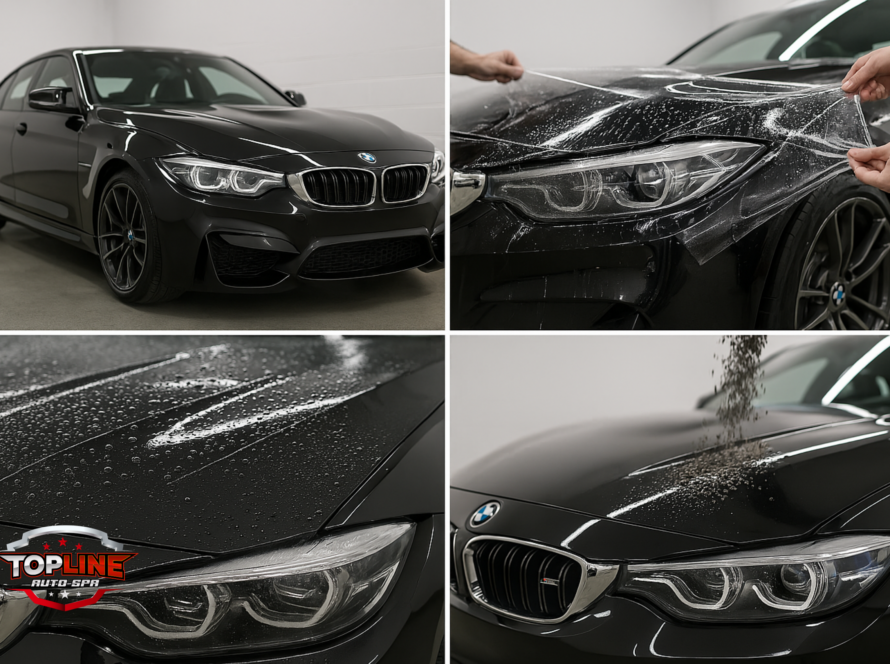
The best strategy is preventing damage before it becomes visible. Professional paint protection film services create a durable barrier that absorbs impacts and shields the paint from environmental hazards.
This protective layer helps reduce exposure to:
- Road debris
- Stone chips
- Contaminants
- UV radiation
As a result, the clear coat remains protected for a significantly longer period.
Restoring Paint That Has Already Begun to Deteriorate
When hidden damage progresses to visible defects, professional paint correction services may help restore clarity and improve the overall appearance of the finish.
Paint correction addresses:
- Swirl marks
- Light scratches
- Oxidation
- Surface imperfections
By removing damaged surface layers, correction can often revive paint that appears dull or worn.
Long-Term Paint Preservation
Many vehicle owners wait until visible damage appears before taking action. However, proactive protection is typically far more effective than reactive repairs.
Investing in automotive paint protection film and following proper maintenance practices can help preserve your vehicle’s finish long before deterioration becomes visible. Regular inspections and preventive care remain some of the most effective ways to maintain long-term paint health.
Conclusion
What happens beneath your clear coat is often far more important than what you can immediately see. UV radiation, contamination, microscopic scratches, oxidation, and moisture-related damage begin affecting your vehicle long before visible symptoms appear.
By the time fading, staining, or dullness becomes noticeable, the deterioration process may have already been underway for months or years. Understanding these hidden threats allows vehicle owners to take proactive measures that preserve appearance, maintain value, and reduce future repair costs.
Protecting your paint today is far easier than restoring it tomorrow. The sooner you address potential risks, the better your chances of keeping your vehicle looking its best for years to come.
FAQs
Can clear coat damage occur before visible signs appear?
Yes. UV exposure, oxidation, contamination, and microscopic scratches often begin affecting the clear coat long before visible symptoms develop.
What causes clear coat deterioration?
Common causes include sunlight, environmental contaminants, improper washing methods, road debris, and chemical exposure.
How can I protect my clear coat?
Regular maintenance, proper washing techniques, routine inspections, and professional paint protection solutions help preserve clear coat integrity.