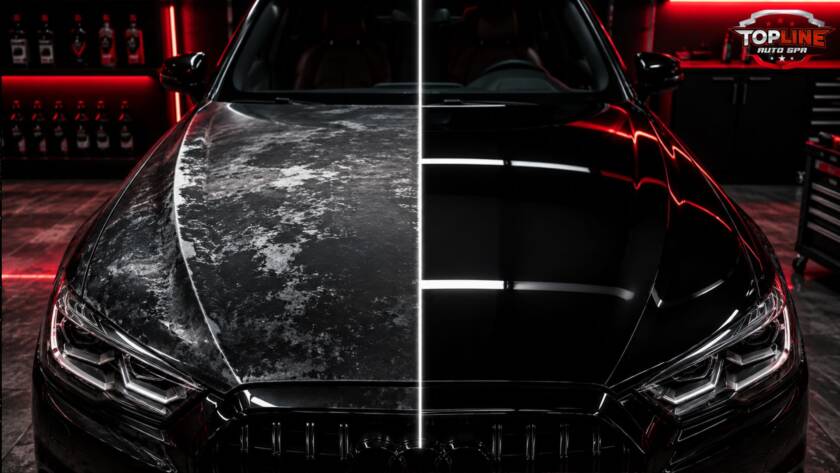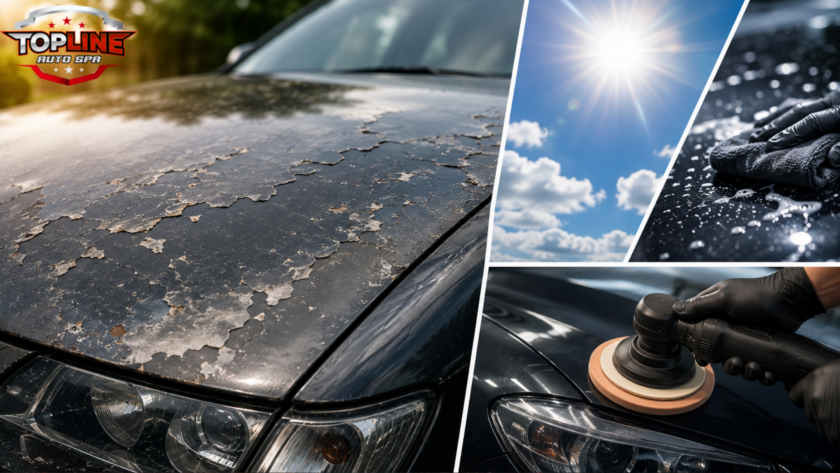
Many car owners notice rough spots, dullness, or marks on their vehicle and immediately assume the paint is damaged. In reality, not every imperfection means your paint is ruined. Sometimes the issue is simply surface contamination—something sitting on top of the paint rather than damaging it permanently.
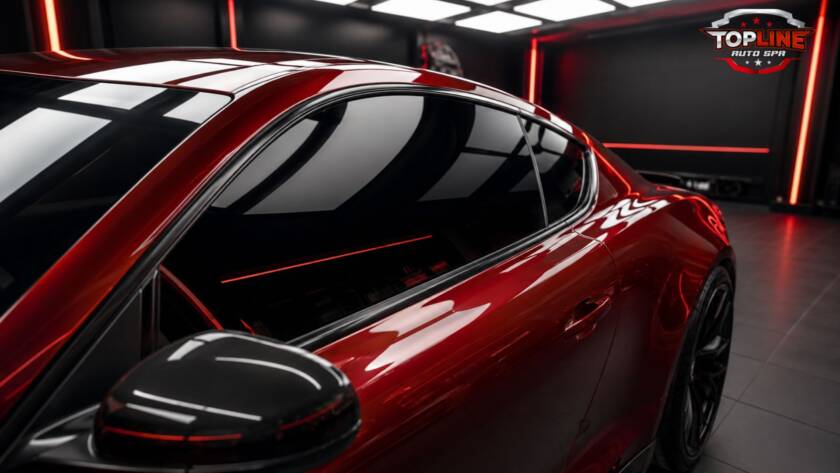
Window tinting is one of the most popular upgrades for cars—but not all tints are created equal. While cheap window tint might seem like a great way to save money upfront, many car owners end up paying more in the long run due to poor quality, fading, and frequent replacements.
So, is it really worth going cheap, or should you invest in better quality from the start?
Ceramic coating is designed to provide long-lasting protection, gloss, and hydrophobic performance. However, many car owners notice that over time, the coating does not behave the same way it did initially.
If your vehicle is no longer repelling water, looks dull, or attracts dirt more easily, it does not always mean the coating has failed. In most cases, the issue is related to maintenance or surface conditions rather than the coating itself.
Understanding what is happening helps you fix the problem correctly and avoid unnecessary costs.
Car paint damage is more common than many drivers realize. Studies from the auto detailing industry show that most vehicles develop swirl marks, light scratches, and oxidation within the first few years of use. These issues often come from automatic car washes, improper drying, or daily exposure to sun and dirt.
That is why polishing plays a key role in keeping a vehicle looking clean and glossy. Many car owners wonder whether machine polishing or hand polishing gives better results. Both methods can improve paint, but they work very differently.
Professional car detailing services use polishing to restore shine and remove minor defects. Choosing the right method depends on the condition of the paint, the tools used, and the skill of the detailer.
This guide explains the differences so you can understand which polishing method works best for your vehicle.
A recent auto care report found that more than half of new car owners notice paint damage in the first year. Many Tesla owners see this even sooner because Tesla paint is known to be softer and easier to scratch. Simple things like road dust, bird droppings, and sun exposure can leave marks that change the look of the car.
Difference between carbon and ceramic tint affects how much heat and UV rays your car blocks. We test each film to make sure it keeps you cool and your view clear.