
No matter how often you clean your vehicle, dust somehow seems to return within days—or even hours. Many car owners assume it’s just normal, but excessive interior dust buildup usually happens because of specific habits, environmental conditions, and overlooked maintenance issues.
A constantly dusty car interior doesn’t just affect appearance. Over time, dust particles can settle into vents, fabrics, dashboards, and electronic components, making the cabin feel less comfortable and harder to maintain.
Understanding why your car interior collects dust so quickly can help you keep it cleaner for longer and reduce long-term wear inside the cabin.
Key Takeaways
- Dust enters your car from multiple hidden sources
- Cabin air filters play a major role in interior cleanliness
- Dirty floor mats and fabrics trap and recirculate dust
- Heat and airflow increase visible dust buildup inside vehicles
- Regular interior detailing helps reduce long-term dust accumulation
Outside Air Brings Dust Into the Cabin
One of the biggest reasons interiors get dusty quickly is simple daily exposure.
Every time doors or windows are opened, small airborne particles enter the cabin. Driving through construction zones, dry roads, pollen-heavy areas, or high-traffic streets increases the amount of dust circulating inside the vehicle.
Even when windows stay closed, outside contaminants can still enter through ventilation systems and door seals over time.
Dirty Cabin Air Filters Spread Dust Everywhere
Many drivers forget that the cabin air filter directly affects interior cleanliness.
When the filter becomes clogged, it stops trapping dust effectively. As airflow passes through dirty filters, small particles circulate through the vents and settle throughout the cabin.
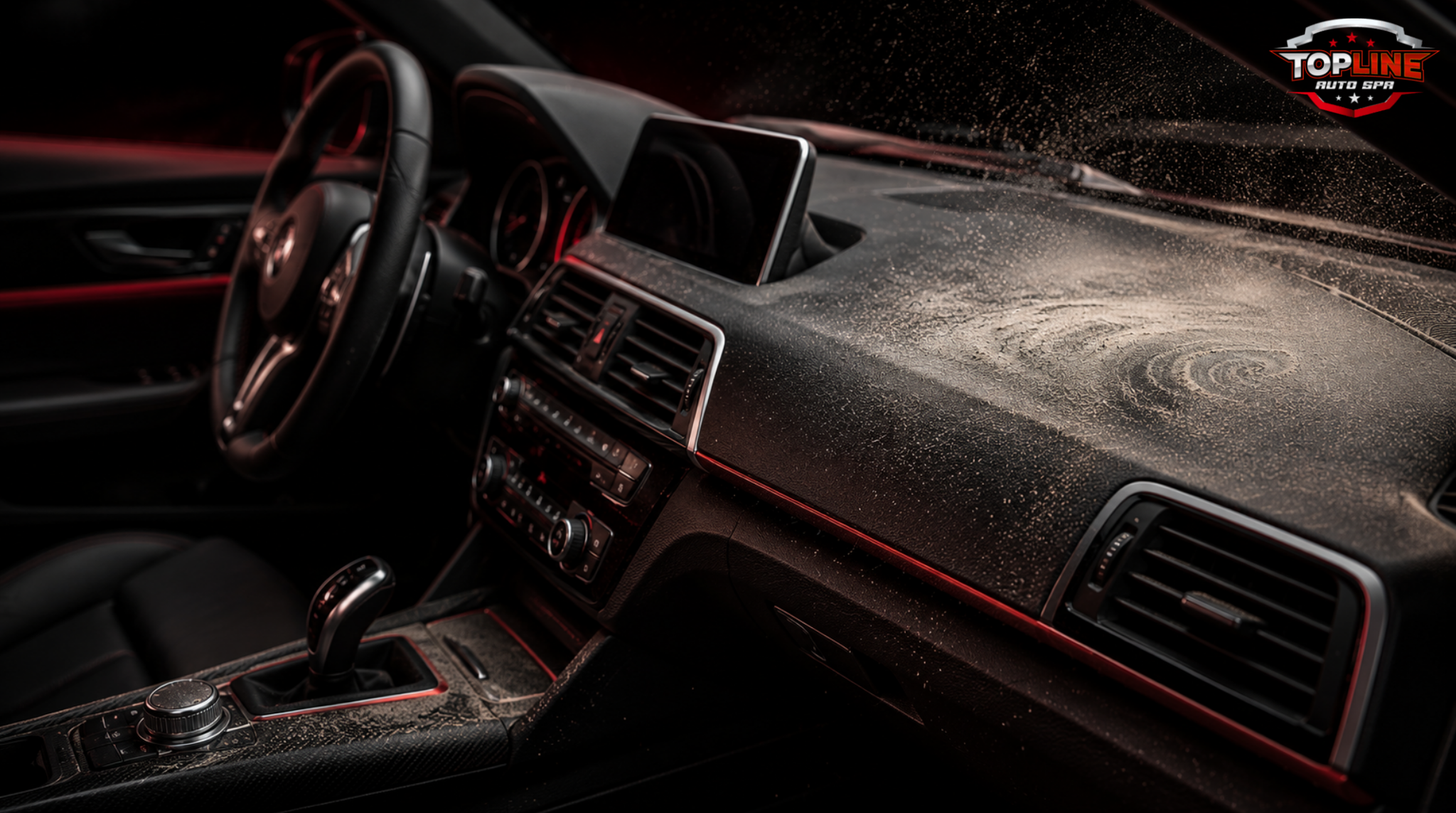
This often causes dashboards, center consoles, and seats to collect dust unusually fast.
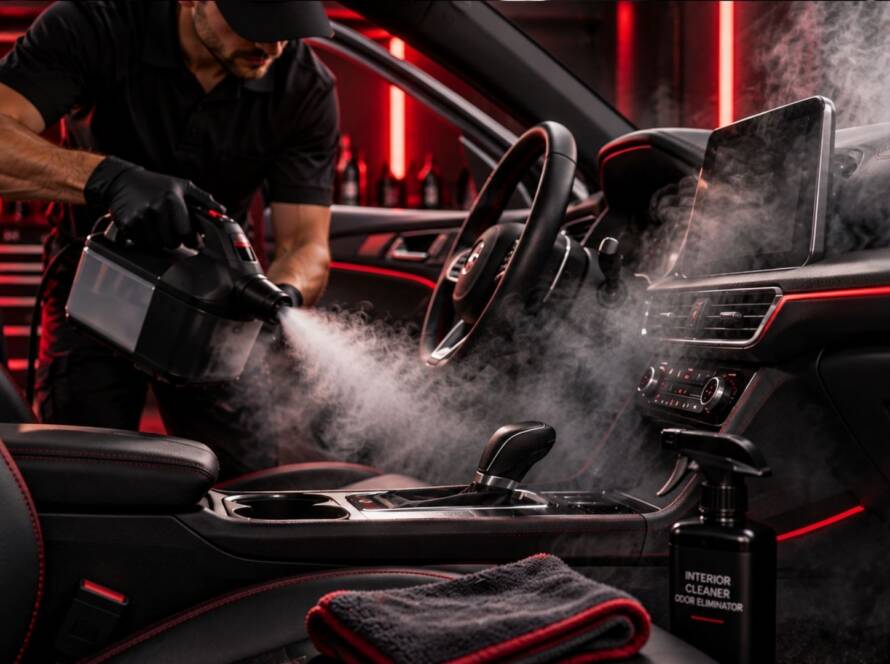
Routine cleaning and professional auto detailing services can help remove hidden dust buildup from hard-to-reach interior surfaces and air vents.
Floor Mats and Carpets Trap More Dirt Than You Think
Shoes constantly bring dirt, sand, pollen, and debris into the vehicle. Once trapped in carpets and floor mats, these particles gradually break down into finer dust.
As passengers move around or airflow changes inside the cabin, the particles become airborne again and spread throughout the interior.
Without deep cleaning, dust continues recycling inside the vehicle even after surface wiping.
Interior Materials Naturally Attract Dust
Plastic dashboards, screens, and trim pieces create static electricity that attracts fine dust particles.
This is why dashboards often look dusty shortly after cleaning, especially during dry weather conditions. Low-quality interior cleaners can sometimes make the problem worse by leaving behind oily residue that attracts even more dust.
Heat and Sunlight Make Dust More Noticeable
Hot weather plays a bigger role than many people realize.
When a vehicle sits in direct sunlight, heat dries out interior materials and increases airflow movement inside the cabin. Dust becomes more visible on dashboards, dark surfaces, and touchscreens under bright sunlight.
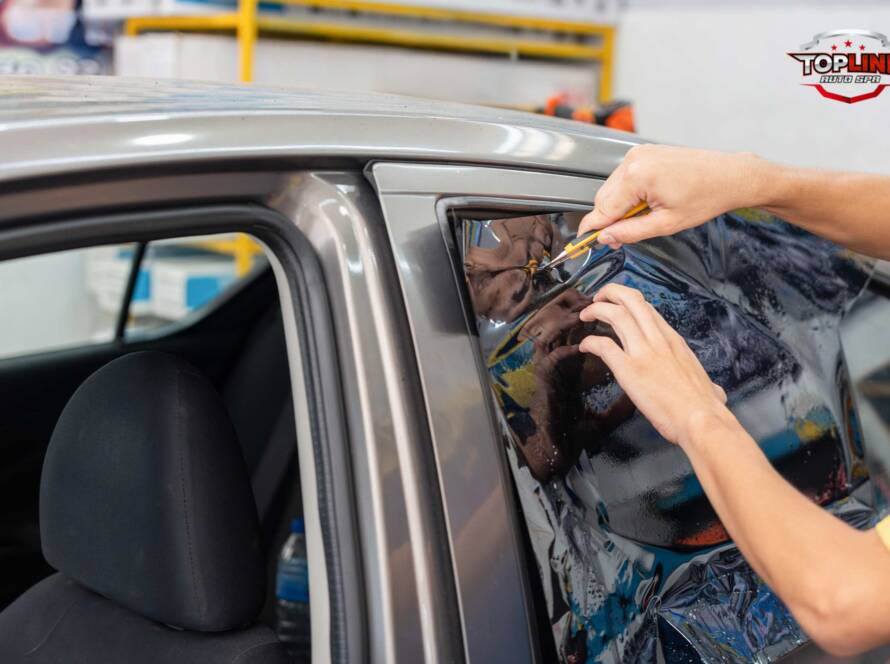
Installing window tinting can help reduce interior heat exposure and minimize some of the conditions that make dust buildup more noticeable.
Pet Hair and Clothing Fibers Add to Interior Dust
Pet hair, fabric fibers, and lint from clothing also contribute to cabin dust accumulation.
Over time, these tiny particles settle into seats, carpets, and vents, especially in vehicles used daily for commuting or transporting pets and children.
Fabric interiors typically trap more dust than leather surfaces because particles embed more deeply into the material.
Poor Cleaning Habits Can Make Dust Worse
Many people use dry cloths or household cleaners that simply move dust around instead of removing it properly.
Using improper products may also scratch interior surfaces or leave residue behind that attracts additional dirt. Quick wipe-downs often miss hidden areas where dust continues building up unnoticed.
Dust buildup is often one sign that interior maintenance is being overlooked. Over time, other cabin materials can also begin deteriorating. This guide on Fixing a Car Interior Roof: Causes, DIY & Pro Solutions explains how interior wear develops and what causes it.
Why Dust Returns So Fast After Cleaning
Most visible dust is only part of the problem. Large amounts of dust remain hidden inside vents, under seats, within carpets, and around trim pieces.
Even after wiping the dashboard, airflow inside the vehicle can quickly redistribute remaining particles back onto visible surfaces. This creates the feeling that the interior becomes dusty again almost immediately.
Consistent maintenance and full service auto detailing help address deeper contamination rather than only cleaning what’s visible.
Conclusion
Dust buildup inside a vehicle happens for many reasons, including outside air exposure, dirty filters, carpets, airflow, and daily driving habits. While some dust is unavoidable, excessive buildup usually points to hidden contamination or incomplete interior cleaning.
Keeping your cabin cleaner for longer requires more than quick wipe-downs. Addressing deep interior dust, maintaining filters, reducing heat exposure, and using proper cleaning methods all play an important role in preserving a cleaner, healthier cabin environment.
Ignoring interior maintenance for long periods can also affect the overall condition and comfort of your vehicle. Dust particles slowly settle into fabrics, vents, seams, and sensitive interior surfaces, making cleanup more difficult over time. What starts as minor dust buildup can eventually contribute to stains, odors, discoloration, and faster interior wear.
With proper care and regular maintenance, you can significantly reduce interior dust buildup and keep your vehicle feeling fresher, cleaner, and more comfortable every day.
FAQs
Why does my car get dusty so quickly inside?
Dust enters through airflow systems, open doors, windows, carpets, clothing fibers, and outside environmental exposure.
Can a dirty cabin air filter make my interior dusty?
Yes. A clogged cabin air filter can circulate dust and small particles throughout the vehicle interior.
How can I reduce dust buildup inside my car?
Regular vacuuming, changing cabin filters, reducing heat exposure, and professional interior cleaning can help minimize dust accumulation.