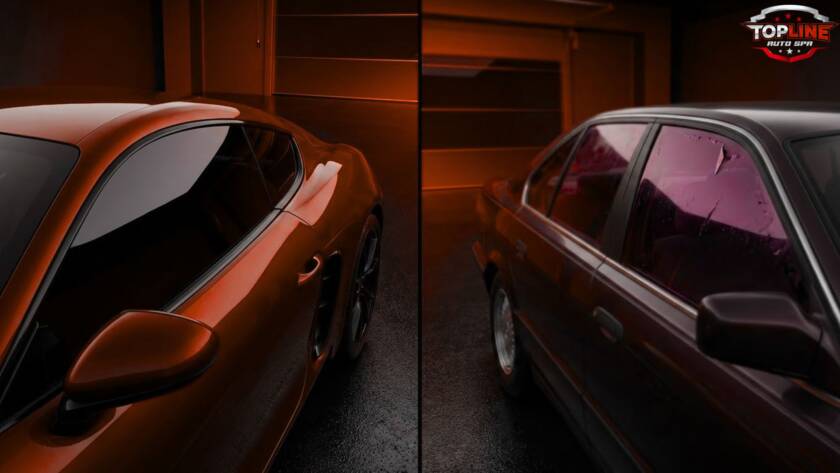
Window tinting is one of the most popular upgrades for cars—but not all tints are created equal. While cheap window tint might seem like a great way to save money upfront, many car owners end up paying more in the long run due to poor quality, fading, and frequent replacements.
So, is it really worth going cheap, or should you invest in better quality from the start?
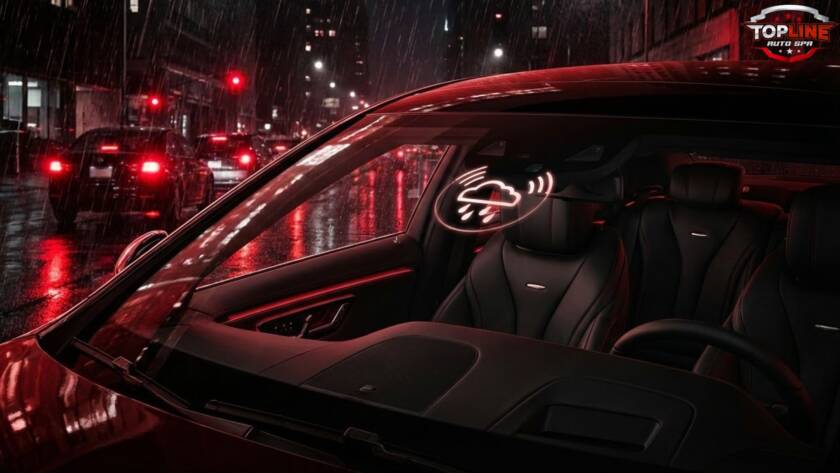
Modern cars are smarter than ever—and one of the most underrated features is the rain sensor system. Instead of manually adjusting wipers during sudden rain, your car can detect moisture on the windshield and respond instantly.
But how does your vehicle actually “know” when it’s raining? And why does proper maintenance matter for this system to work correctly?
Understanding this technology is important, especially since your windshield and surrounding surfaces need to stay clean and damage-free. Many car owners also invest in paint protection film near me to reduce external damage that can indirectly affect visibility and sensor performance.
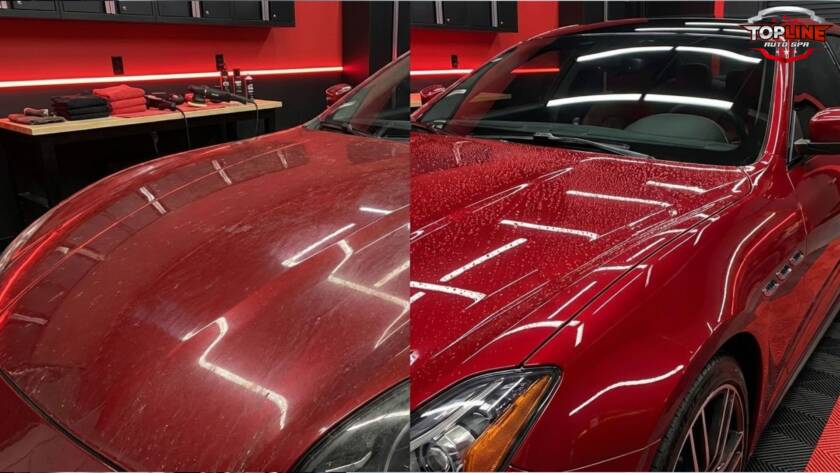
Ceramic coating is designed to provide long-lasting protection, gloss, and hydrophobic performance. However, many car owners notice that over time, the coating does not behave the same way it did initially.
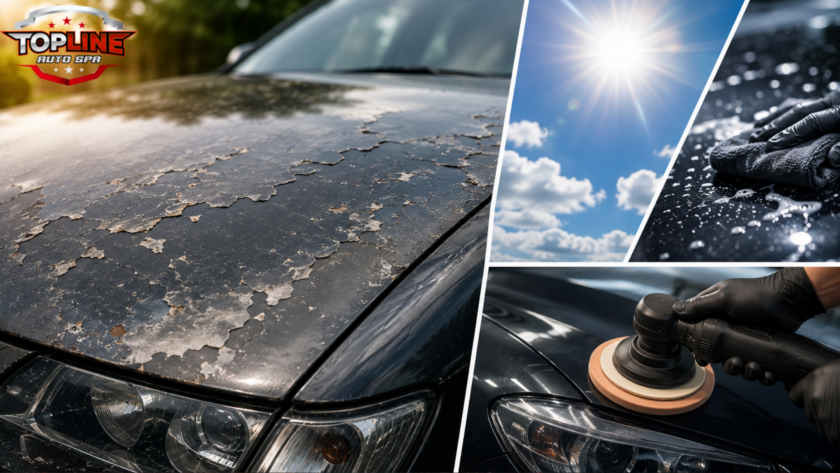
If your vehicle is no longer repelling water, looks dull, or attracts dirt more easily, it does not always mean the coating has failed. In most cases, the issue is related to maintenance or surface conditions rather than the coating itself.
Understanding what is happening helps you fix the problem correctly and avoid unnecessary costs.
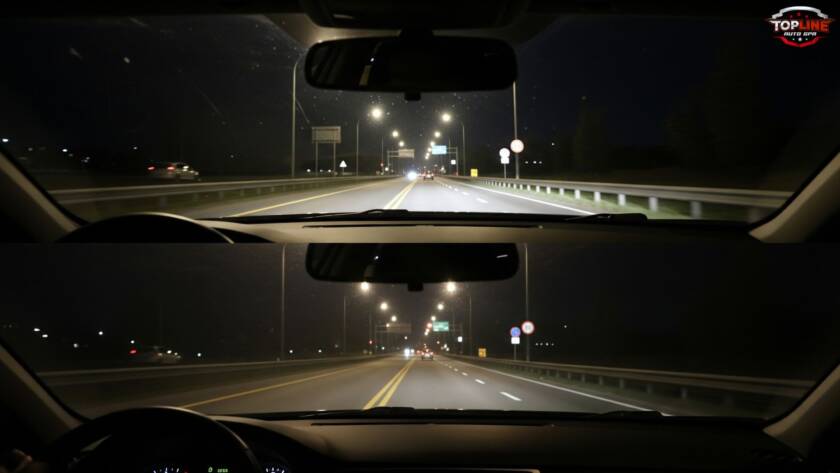
According to the National Highway Traffic Safety Administration, nearly half of all traffic deaths happen at night, even though fewer cars are on the road. Night driving is more dangerous because visibility is lower and hazards are harder to see. That is why many drivers ask an important question before tinting their vehicle. Does window tint affect visibility at night?