



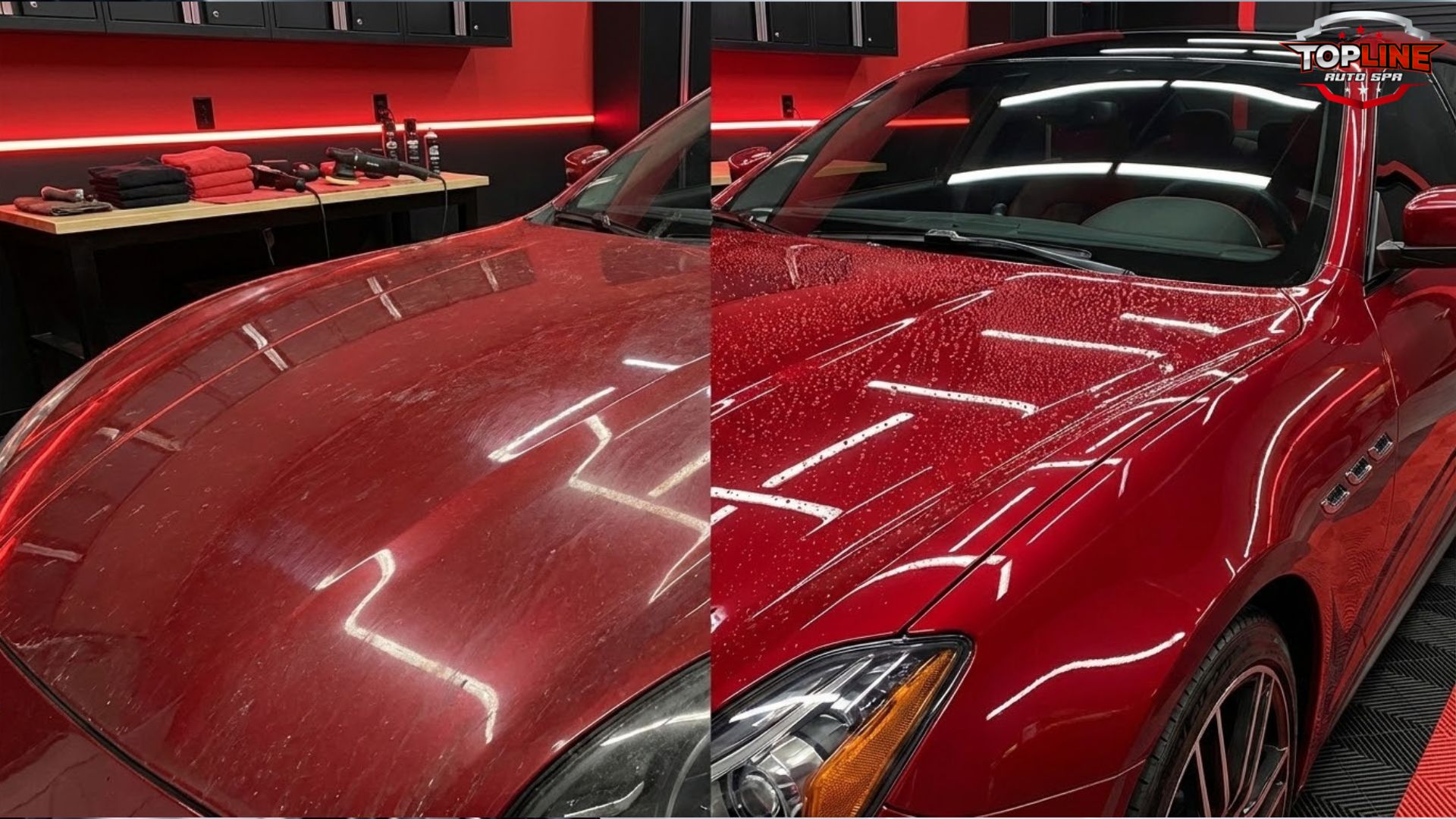
Ceramic coating is designed to provide long-lasting protection, gloss, and hydrophobic performance. However, many car owners notice that over time, the coating does not behave the same way it did initially.
If your vehicle is no longer repelling water, looks dull, or attracts dirt more easily, it does not always mean the coating has failed. In most cases, the issue is related to maintenance or surface conditions rather than the coating itself.
Understanding what is happening helps you fix the problem correctly and avoid unnecessary costs.
Key Takeaways
- Ceramic coating performance often drops due to contamination, not failure
- Loss of water beading is usually reversible with proper cleaning
- Regular maintenance is essential to preserve coating effectiveness
- Professional ceramic coating service can restore performance without full reapplication
- Combining care with auto detailing services extends coating lifespan
- In some cases, a paint correction service may be required for full restoration
Signs Your Ceramic Coating Is Not Performing
Before assuming the coating is gone, look for these common indicators:
- Water no longer beads or sheets effectively
- The surface feels rough instead of smooth
- Dirt and grime stick more easily
- The shine and gloss appear reduced
These signs typically point to contamination or improper care rather than complete coating failure.
Common Reasons Ceramic Coating Stops Working
Surface Contamination Build-Up
Over time, contaminants such as dirt, road grime, and mineral deposits accumulate on the surface. These elements sit on top of the coating and block its hydrophobic properties.
This is one of the most common issues identified during inspections at TopLine AutoSpa, where coatings are often restored without reapplication.
Improper Washing Techniques
Using harsh chemicals or automatic car washes can damage the coating layer. These methods may introduce swirl marks and reduce the coating’s effectiveness.
Following proper washing methods is essential after getting a ceramic coating service.
Lack of Maintenance
Ceramic coatings require periodic care to perform at their best. Without regular maintenance, contaminants build up and reduce effectiveness.
Routine upkeep combined with professional auto detailing services helps maintain both protection and appearance over time.
Environmental Exposure
Factors such as UV rays, rain, pollution, and temperature changes can impact the coating’s performance over time. Vehicles exposed to extreme conditions often require more frequent upkeep.
How to Fix a Ceramic Coating That Is Not Performing
Before considering removal or reapplication, there are several effective ways to restore performance.
Deep Decontamination Wash
A professional decontamination process removes embedded dirt and mineral deposits from the surface. This often restores water beading and smoothness.
In many cases, this process is paired with a paint correction service to fully restore the surface clarity and finish.
Apply a Ceramic Booster
Ceramic boosters help restore the protective layer and enhance hydrophobic behavior. They also improve gloss and extend the life of the coating.
Light Polishing (If Required)
If swirl marks or minor imperfections are present, light polishing may be necessary. This improves the surface condition before restoring protection.
Professional handling ensures the coating and clear coat remain intact.
When Ceramic Coating Actually Fails
Although uncommon, coating failure can occur due to:
- Poor initial application
- Low-quality coating products
- Long-term neglect
In such cases, reapplication may be required to restore full protection.
It Is Not Always the Coating
Many vehicle owners assume their coating has worn off when performance drops. In reality, the coating is often still intact but covered by contaminants.
A proper inspection can determine whether restoration or reapplication is needed, helping you avoid unnecessary expenses. If you want a deeper understanding of how water behavior changes over time, you can explore this detailed guide on hydrophobic coating for cars.
Conclusion
Ceramic coating does not typically stop working without a reason. In most cases, reduced performance is caused by contamination, improper maintenance, or environmental exposure rather than the coating itself failing.
By identifying the issue early and applying the right solutions—such as decontamination, boosters, or professional correction—you can restore performance and extend the life of your coating.
Consistent maintenance and periodic professional care ensure that your vehicle continues to benefit from long-term protection, gloss, and durability.
FAQs
1. Why is my ceramic coating not beading water anymore?
This usually happens due to contamination like dirt, minerals, or road residue sitting on top of the coating. A proper decontamination wash can restore the hydrophobic effect.
2. Can ceramic coating be restored without reapplying it?
Yes, in many cases. Professional cleaning, ceramic boosters, or light polishing can revive the coating without requiring full reapplication.
3. How often should ceramic coating be maintained?
Maintenance frequency depends on usage and environment, but periodic cleaning and professional inspection every few months help maintain optimal performance.
1 Comment
Brandonslali
I started writing down one thing at the end of every day — what I actually managed to do. Not a to-do list, not plans. Just one small win. It’s surprising how quickly it shifts your perspective.