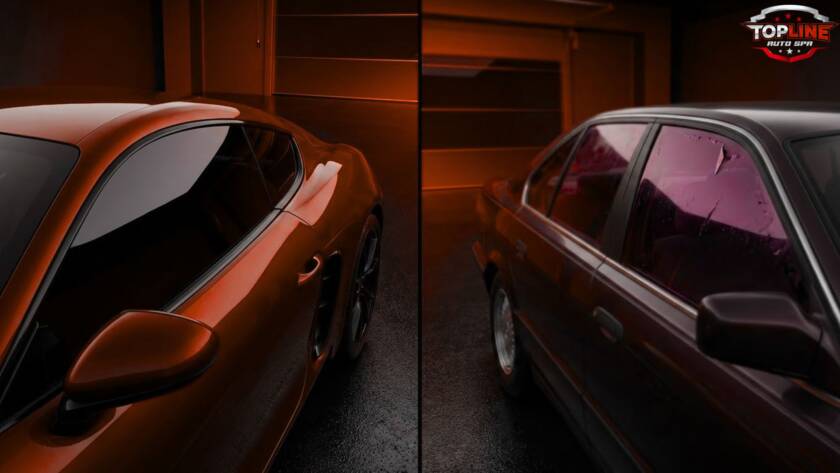
Window tinting is one of the most popular upgrades for cars—but not all tints are created equal. While cheap window tint might seem like a great way to save money upfront, many car owners end up paying more in the long run due to poor quality, fading, and frequent replacements.
So, is it really worth going cheap, or should you invest in better quality from the start?
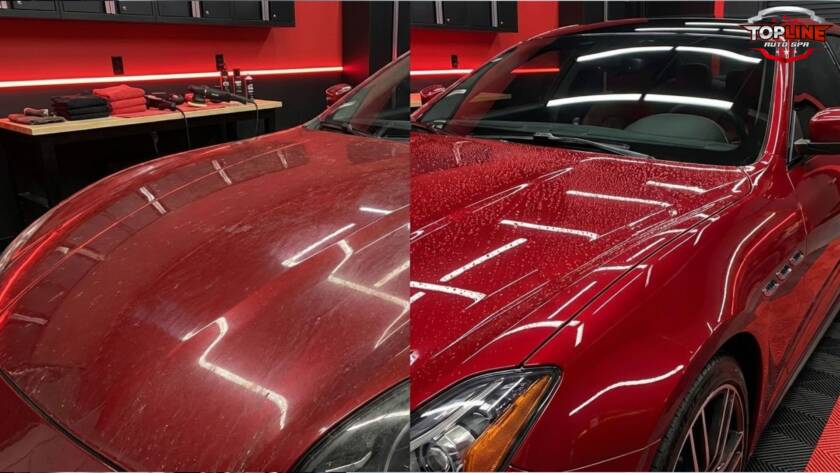
Ceramic coating is designed to provide long-lasting protection, gloss, and hydrophobic performance. However, many car owners notice that over time, the coating does not behave the same way it did initially.
If your vehicle is no longer repelling water, looks dull, or attracts dirt more easily, it does not always mean the coating has failed. In most cases, the issue is related to maintenance or surface conditions rather than the coating itself.
Understanding what is happening helps you fix the problem correctly and avoid unnecessary costs.
Car paint damage is more common than many drivers realize. Studies from the auto detailing industry show that most vehicles develop swirl marks, light scratches, and oxidation within the first few years of use. These issues often come from automatic car washes, improper drying, or daily exposure to sun and dirt.
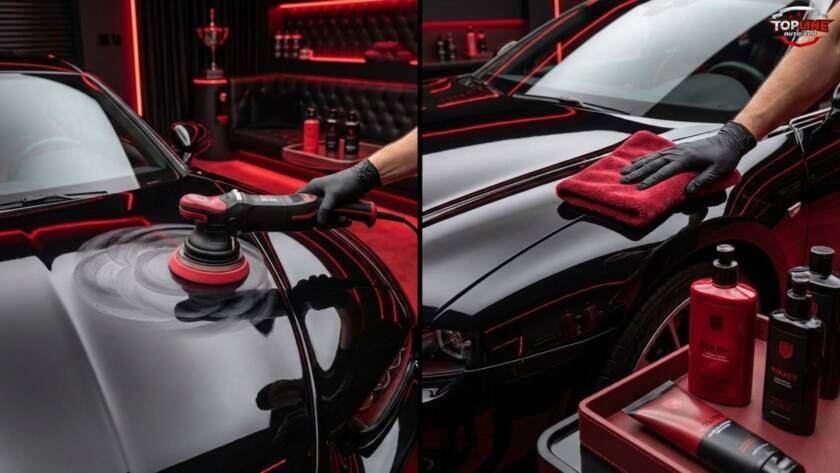
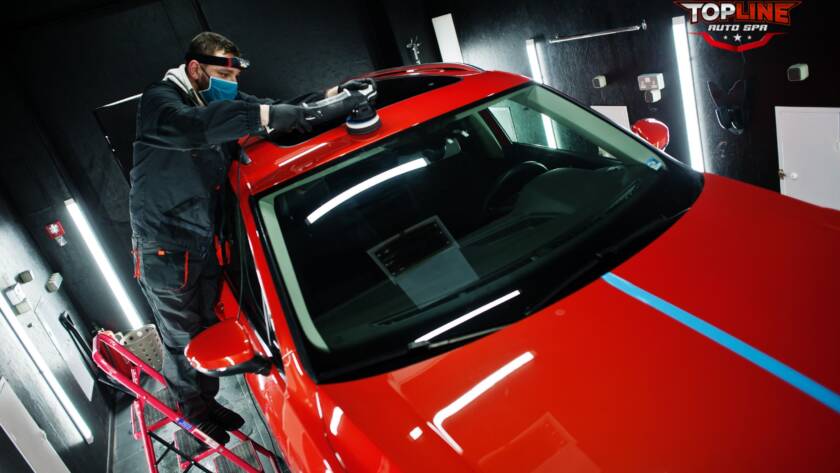
That is why polishing plays a key role in keeping a vehicle looking clean and glossy. Many car owners wonder whether machine polishing or hand polishing gives better results. Both methods can improve paint, but they work very differently.
Professional car detailing services use polishing to restore shine and remove minor defects. Choosing the right method depends on the condition of the paint, the tools used, and the skill of the detailer.
This guide explains the differences so you can understand which polishing method works best for your vehicle.
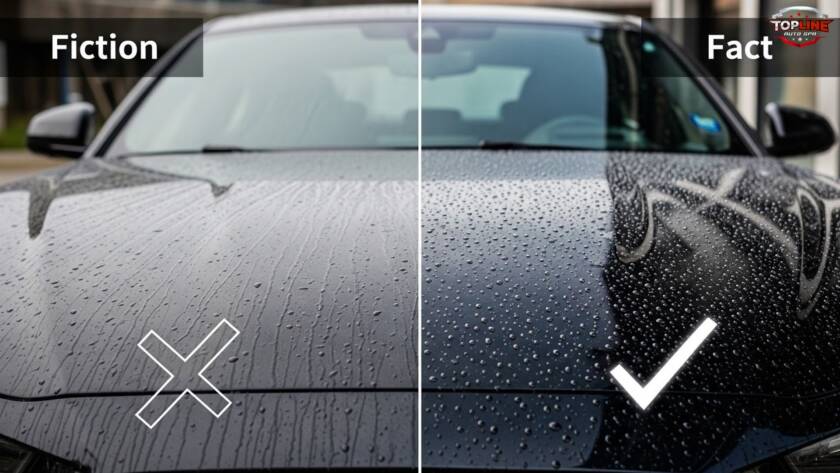
Over the last few years, ceramic coating has become one of the fastest-growing car care services in the auto detailing industry. Recent auto care reports show a sharp rise in ceramic coating installations, along with a big increase in DIY coating kits sold online. With more options available, there is also more confusion. Many car owners see bold promises online and assume all coatings work the same way.
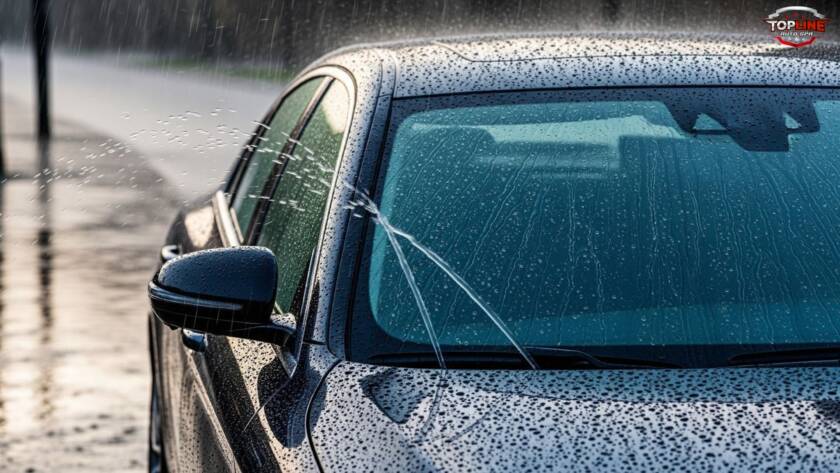
Industry reports show that vehicles exposed to frequent rain can experience paint wear nearly 30% faster than cars in dry conditions. Rainwater often carries dust, road salt, and acidic particles that settle on your car’s surface. Over time, this constant exposure weakens the clear coat and dulls the paint.
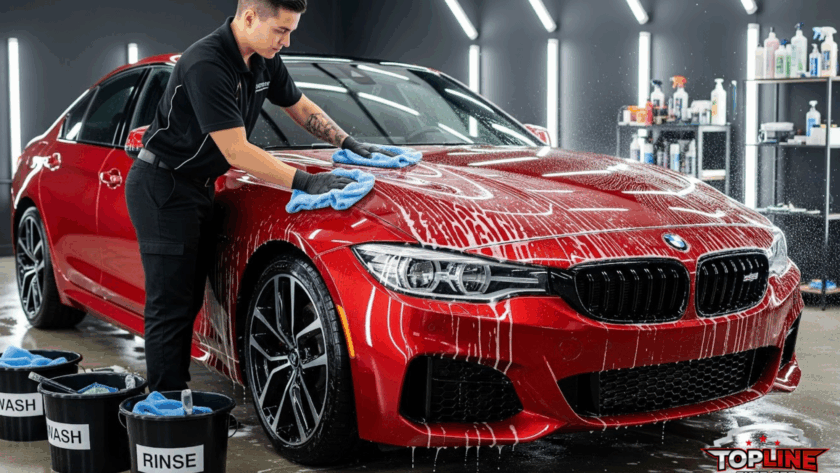
Recent industry reports show that nearly 50% of ceramic-coated cars lose their shine in the first two years. Most of the time, the coating doesn’t fail the care routine does. Many drivers wash their cars the wrong way or skip basic maintenance, ad that slowly breaks down the protection.
Benefits of ceramic coating are hard to ignore today. A recent report shows that more than 65% of car owners in the U.S. now choose ceramic coating instead of regular waxing. They want better protection and less upkeep.