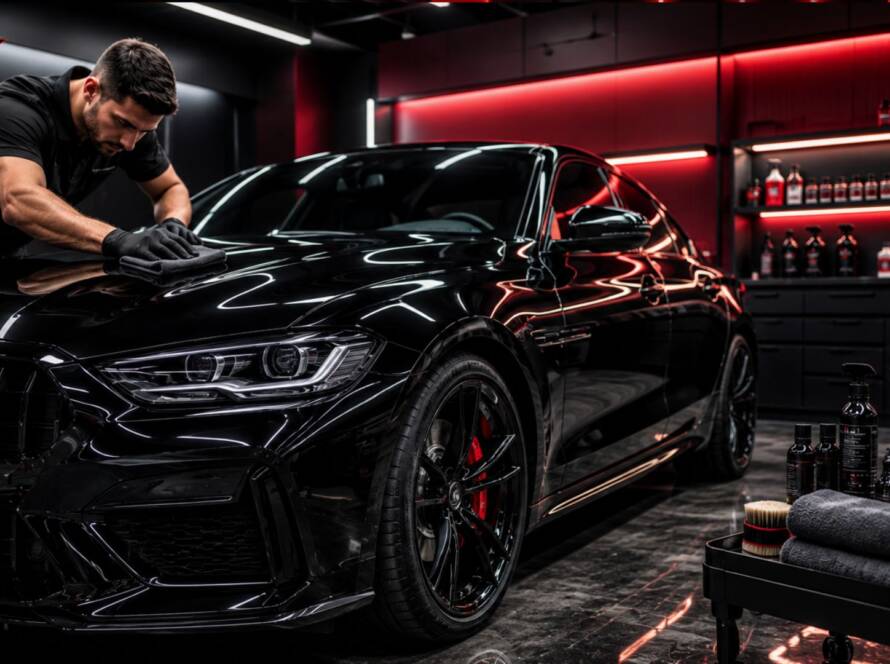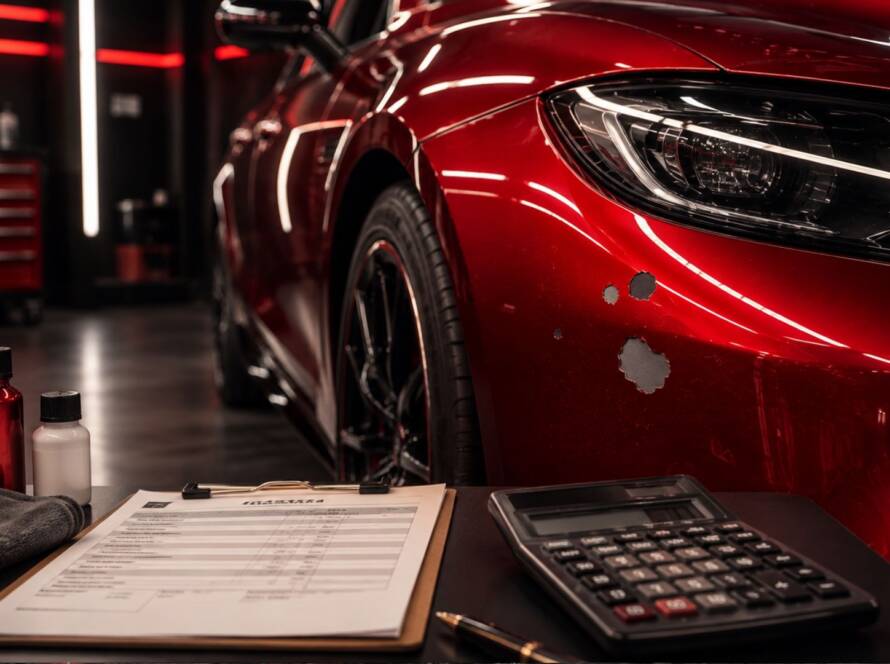

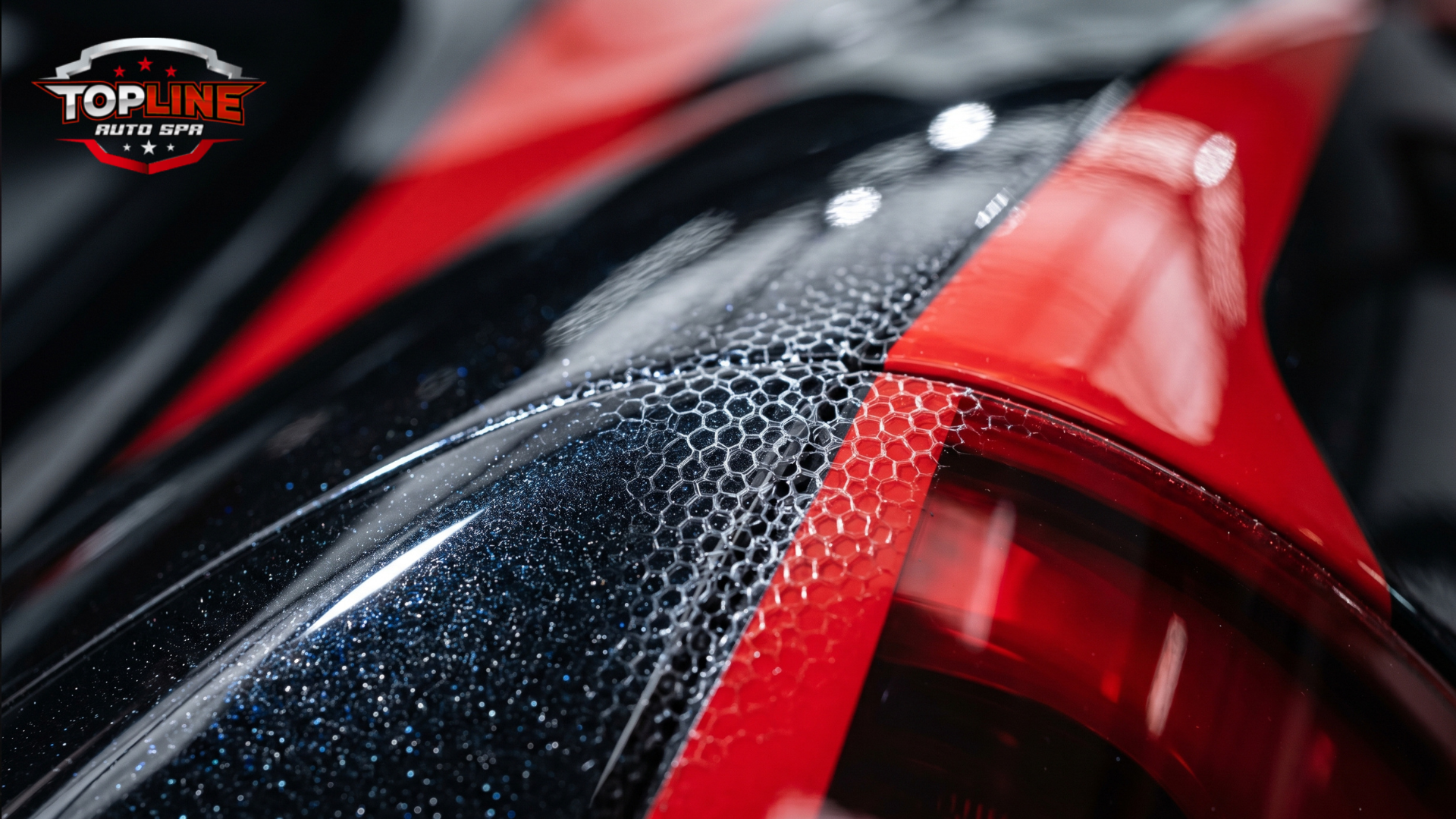
The world of automotive paint protection is full of enticing terms designed to capture a car enthusiast’s attention. Search for high-end detailing options, and you will immediately find marketing material boasting about “ultra-thick gloss layering,” “triple-stacked protection,” and “multi-tier liquid barriers.” For many vehicle owners, these descriptions create a very specific mental image: a technician applying coat after coat of a product to build a physical, thick layer of clear armor over the vehicle, much like stacking sheets of glass.
While this layering concept is a highly effective sales pitch, it completely misrepresents actual chemical engineering. True paint preservation does not rely on stacking separate cosmetic products on top of each other to hide imperfections. Instead, locking in a true showroom shine with premium ceramic coating packages requires a fundamental structural shift: moving away from superficial top-layer stacking and executing permanent molecular bonding directly inside the factory paint matrix.
The Cross-Linking Chemistry of True Paint Bonding
To understand why the concept of “gloss layering” is an automotive myth, it helps to examine the raw chemistry of a professional ceramic coating. True ceramic coatings are formulated using highly concentrated liquid polymers composed of silicon dioxide ($\text{SiO}_2$) or titanium dioxide ($\text{TiO}_2$) suspended inside a carrier solvent matrix. On a microscopic level, your vehicle’s factory clear coat is not a solid, completely flat sheet; it is highly porous, full of microscopic peaks, uneven valleys, and open pores.
When a technician applies a professional-grade liquid formula across a prepared panel, the solution does not sit on top of the surface like a traditional carnauba wax. Instead, the nanoparticles navigate deep into the open pores of the clear coat. As the carrier solvents flash and evaporate into the air, the remaining active ingredients undergo a chemical process known as cross-linking. The nanostructures hook into the paint cells, forming a permanent, covalent bond that alters the clear coat’s chemical profile. This molecular cross-linking levels out the jagged microscopic valleys, hardening into an optically clear, slick, and flat crystalline shield.
Why Ceramic Coatings Cannot Stack Vertically
Traditional paste waxes and cheap synthetic sealants rely purely on surface tension and basic mechanical adhesion to stay on a car. Because they do not form a chemical bond, you can occasionally apply a second layer of wax to cover any patches missed during the first round. However, even with traditional wax, there is a strict physical limit; the solvents in the second coat will eventually dissolve and strip away the first layer if you keep wiping the panels aggressively.
With advanced nano-ceramics, stacking separate physical layers becomes chemically impossible once the initial application has bonded. Remember, a cured ceramic grid radically lowers the paint’s surface energy, turning it into an ultra-slick, highly hydrophobic barrier designed specifically to reject foreign molecules. Once that first coat has cross-linked and cured inside the paint pores, the surface becomes completely non-stick. If you attempt to apply a second, third, or fourth layer of ceramic liquid directly over a fully cured coating, the new liquid cannot find a physical anchor point. It has no open pores to cross-link with, meaning the active ingredients will simply slide off or smear across the slick barrier during the final buffing phase, leaving behind a hazy, oily residue that dulls your reflection.
What Higher-Tier Studio Packages Actually Provide
If physical layering is an engineering impossibility, many owners wonder why detailing studios offer different tiers of protection, such as 2-year, 5-year, or lifetime packages that vary in price and application steps. The difference between these packages does not come down to a technician spending days stacking separate product sheets on your hood. Instead, higher-tier performance is controlled by three distinct technical factors:
- Active Solids Concentration: Entry-level coatings and consumer spray sealants are heavily diluted with carrier solvents, meaning they leave behind a thinner, weaker grid once evaporated. Premium, professional-grade formulas feature an exceptionally high concentration of active solids, leaving a much denser crystalline structure inside the paint pores.
- Advanced Multi-Part Systems: Advanced, multi-year packages often utilize a two-step chemical process. The technician first applies a specialized base coat engineered strictly for deep clear coat penetration and aggressive bonding. Once this base is secure, a separate, highly slick topcoat is applied to link with the base layer, maximizing hydrophobic properties and water contact angles.
- Meticulous Paint Preparation: The true secret behind a coating’s lifespan is the precision of the underlying paint protection options. A multi-year coating requires completely clean, clear coat pores to bond properly. Higher-tier options include extensive labor hours dedicated to multi-stage machine compounding and chemical decontamination to ensure the bond is completely flawless.
Maximizing Your Investment with Pro-Grade Chemistry
At the end of the day, understanding the difference between cosmetic gloss layering and structural paint bonding saves you from falling for deceptive marketing gimmicks. True surface transformation is driven by advanced chemical engineering, not how many times a product can be wiped over your panels. Trying to cut corners with cheap, multi-layer DIY kits or rushed mobile jobs won’t give your vehicle long-term protection if the surface chemistry isn’t managed in a controlled environment.
To ensure your premium coating functions flawlessly for years at a time, it is vital to pair the initial application with correct long-term care. Stripping away traffic films safely requires using proper techniques that won’t degrade your low-surface-energy barrier. To master the exact maintenance washing steps needed to preserve your crystalline topcoat’s self-cleaning properties, read our comprehensive owner’s guide on How to Make Your Car’s Ceramic Coating Last 5+ Years? A Complete Guide.
Conclusion: Trust Science Over Marketing Trends
When protecting an expensive automotive asset, making decisions based on material science will always outperform chasing cosmetic trends. The idea of stacking separate product layers to build an ultra-thick sheet of gloss might sound appealing on a brochure, but it ignores the reality of covalent molecular bonding. Forcing extra layers onto a cured, non-stick ceramic grid only creates a dull, hazy film that ruins your vehicle’s clarity and optical depth.
Investing in a premium, professional ceramic service guarantees that your clear coat is deeply infused with a high-density nanoparticle matrix built for long-term endurance. This specialized cross-linking creates a permanent hydrophobic boundary line that repels road grime, resists harsh UV oxidation, and eliminates the need for temporary seasonal waxes. If you are ready to give your vehicle a genuine, science-backed clear coat restoration that looks stunning and simplifies your maintenance wash routine for years to come, it is time to choose professional chemical bonding over superficial layering tricks.
Frequently Asked Questions (FAQ)
1. Why do some detailing manufacturers specify applying two coats of ceramic coating?
When a professional manufacturer instructs an installer to apply a second coat of a product, the goal is to guarantee 100% surface coverage, not to build vertical thickness. Because ceramic liquids are completely clear, it can be incredibly difficult to see minor holidays or microscopic spots missed during the initial wipe under studio lights. Applying a second coat right after the first ensures every square inch of the vehicle’s clear coat is fully sealed and cross-linked.
2. Can you layer a traditional wax on top of a professional ceramic coating to add gloss?
You should completely avoid applying traditional carnauba waxes or polymer sealants over a ceramic coating. Because the ceramic surface exhibits an ultra-low surface energy profile, the wax molecules will be physically incapable of bonding to the slick panels. The wax will merely smear across the top of the car, creating a cloudy finish that actively ruins the coating’s native hydrophobic water-beading and self-cleaning capabilities.
3. How does paint correction affect the bonding of a ceramic coating package?
Paint correction is the single most important prerequisite to a successful ceramic coating installation. Machine polishing removes the top layer of micro-scratches, embedded road film, and oxidized clear coat that blocks the paint pores. Without meticulous correction, the ceramic nanoparticles will bond to the loose dirt particles and trapped road grime rather than the actual vehicle structure, causing the coating to fail and wash away within a few months.