
Buying a new car is exciting—but keeping it looking new is where the real challenge begins. From the moment you drive off the lot, your vehicle is exposed to road debris, dust, UV rays, and environmental contaminants that can quickly damage the paint.
This is why many car owners consider installing paint protection film right away. But is it really necessary to apply it immediately, or can you wait?
In this guide, we’ll break down whether you should apply Paint Protection Film (PPF) on a new car right away, the benefits, and what happens if you delay it.
Key Takeaways
- New cars are not immune to paint damage
- The first few weeks are the most critical for protection
- Paint Protection Film (PPF) prevents chips, scratches, and wear
- Delaying protection increases the risk of permanent damage
- Combining PPF with ceramic coating enhances long-term protection
- Professional installation ensures better results and durability
Why New Cars Still Need Paint Protection
Many people assume that new cars come with perfect, durable paint—but that’s not entirely true.
Factory Paint Is Vulnerable
Modern car paint is eco-friendly but thinner than older coatings, making it more prone to scratches and chips.
Immediate Exposure to Damage
Even your first drive can expose your car to:
- Road debris
- Small rocks
- Bug splatter
- Dust and contaminants
Without protection, these can start damaging your paint almost instantly.
What Is Paint Protection Film (PPF)?
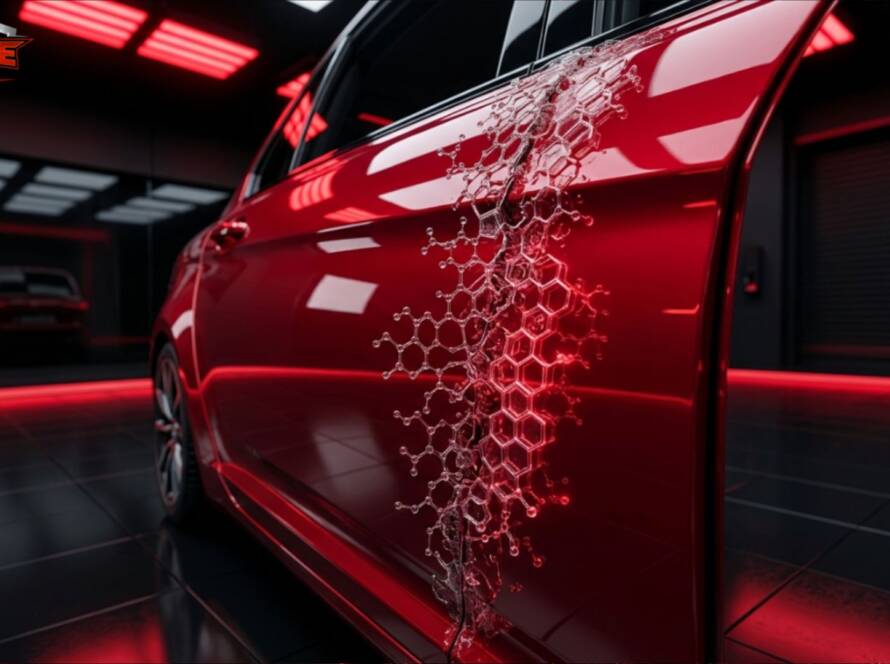
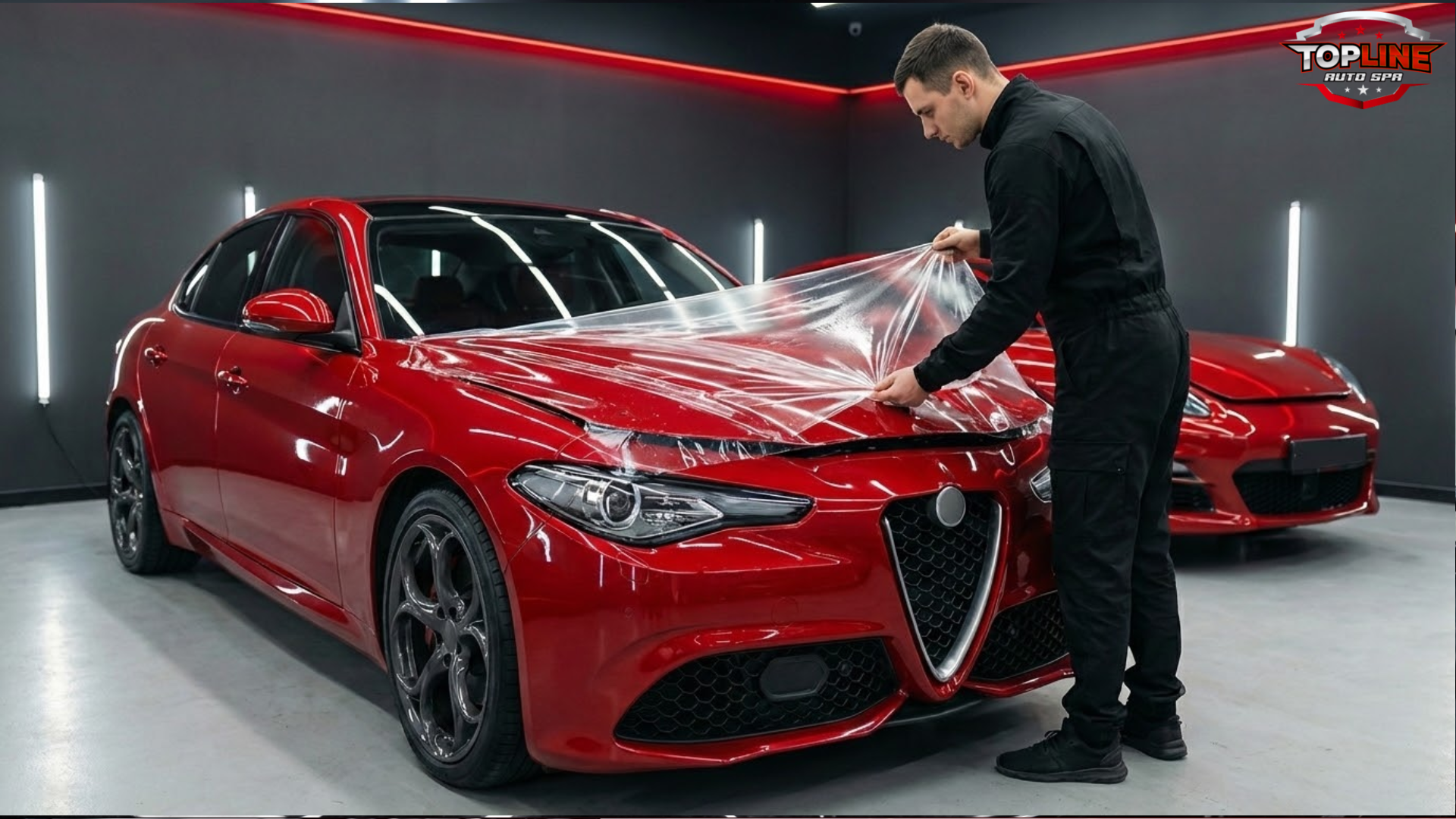
Paint Protection Film is a transparent, durable layer applied to your car’s exterior. It acts as a shield against physical damage like rock chips and scratches.
PPF is especially useful for high-impact areas such as:
- Front bumper
- Hood
- Side mirrors
- Door edges
Should You Apply PPF Immediately?
Yes — Here’s Why
1. Prevent Damage Before It Starts
Applying PPF early ensures your paint remains untouched and in perfect condition from day one.
2. Preserve Resale Value
A well-maintained exterior significantly increases your car’s resale value.
3. Avoid Costly Repairs
Fixing paint damage later often requires polishing or even repainting, which can be expensive. In many cases, you may need paint correction to restore the finish.
What Happens If You Delay PPF Installation?
Increased Risk of Chips and Scratches
Even minor driving can cause irreversible damage to your paint.
More Preparation Needed Later
If your paint gets damaged, you’ll need correction before applying PPF, adding extra cost.
Reduced Effectiveness
PPF works best on flawless paint. Applying it later means sealing in imperfections.
How to Maximize Protection on a New Car
Combine PPF with Ceramic Coating
While PPF protects against physical damage, ceramic coating adds a hydrophobic layer that repels dirt, water, and contaminants.
Maintain with Professional Detailing
Regular cleaning and maintenance are essential. Choosing full service auto detailing helps preserve both the film and the paint underneath.
Solution: Apply Protection Early
If you want your car to stay in showroom condition, applying PPF as soon as possible is the best decision. It minimizes risks and keeps your paint protected from the start.
Insight: Is Full or Partial PPF Better for a New Car?
Not every car needs full-body PPF. Many owners choose partial coverage (front areas) to protect high-impact zones. However, full coverage offers maximum peace of mind, especially for luxury or high-end vehicles.
If you’re comparing protection options, understanding clear bra vs ceramic coating can help you decide what combination works best for your needs.
Conclusion
Applying Paint Protection Film on a new car immediately is one of the smartest decisions you can make if you want to maintain its appearance and value over time. From the very first drive, your car is exposed to elements that can cause chips, scratches, and long-term damage. Acting early ensures that your paint remains in its original, flawless condition without the need for costly corrections later.
While it might seem like an additional upfront investment, PPF actually helps you save money in the long run by preventing damage rather than fixing it. When combined with ceramic coating and proper detailing, it creates a complete protection system that keeps your vehicle looking newer for years.
Delaying protection, on the other hand, increases the chances of imperfections that may require extra work before applying any protective layer. This not only adds cost but also reduces the overall effectiveness of the protection.
In the end, protecting your car isn’t just about aesthetics—it’s about preserving value, reducing maintenance stress, and enjoying your vehicle without worrying about everyday damage. If you want long-term peace of mind, applying Paint Protection Film immediately is the way to go.
FAQs
1. Is it necessary to apply PPF on a new car?
It’s not mandatory, but highly recommended to prevent early paint damage.
2. Can I apply PPF after a few months?
Yes, but you may need paint correction first if damage has already occurred.
3. Is PPF better than ceramic coating?
PPF protects against physical damage, while ceramic coating protects against environmental damage—both work best together.