
Over 60 percent of vehicle owners say they notice swirl marks and light scratches within the first two years of owning a car, according to recent auto care industry reports. Many drivers start searching for paint correction services near me after they see dull paint, faded shine, or spider web scratches under sunlight. But not everyone understands what paint correction really involves.
Every week, we inspect multiple vehicles with the same concerns. Many customers believe paint correction will fix deep scratches or chipped paint. Others think it is just a quick buff and wax. Both ideas are not correct.
This guide is based on real hands-on detailing experience. Paint correction is a careful process that removes defects from the clear coat using professional tools and training. It is not magic. It requires skill, time, and proper inspection. Before you spend money, it is important to understand what you are paying for and what results you can expect.
Paint Correction Removes Imperfections But Only in the Clear Coat
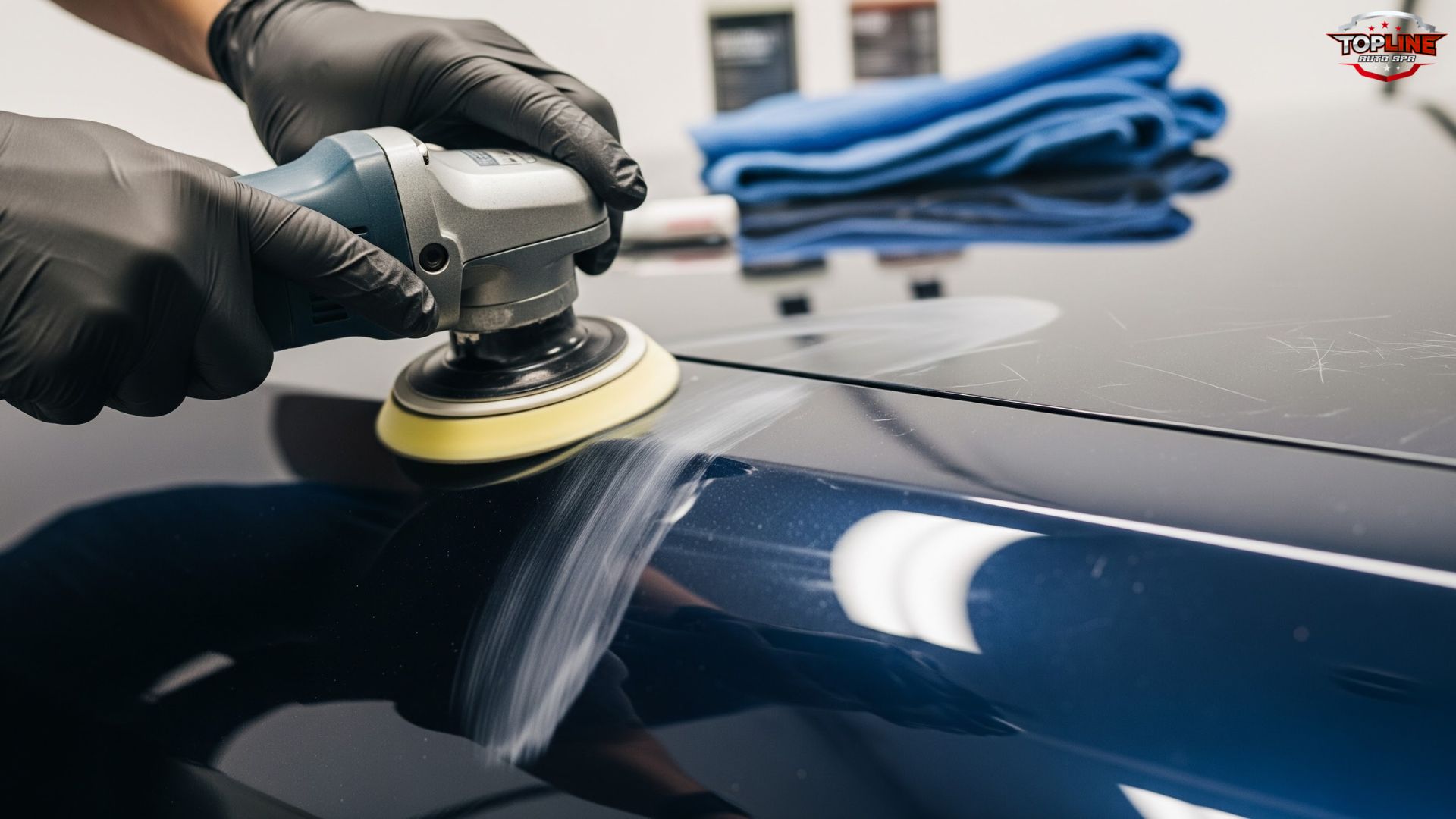
Modern vehicles have a clear coat that sits on top of the color paint. This clear layer protects the color and gives your car its shine. Paint correction works only within this top layer. It carefully levels the clear coat to reduce swirl marks, light scratches, oxidation, and water spots.
However, it cannot fix deep scratches that cut through the clear coat into the color layer. In those cases, repainting is the only true solution. A professional detailer knows the difference and will inspect the paint before starting any work.
We measure paint thickness before polishing to protect your factory finish. This step helps prevent over-polishing, which can thin the clear coat and cause permanent damage. Proper paint correction is about safe improvement, not aggressive cutting.
Not All Scratches Can Be Removed, And Honest Detailers Will Tell You That
Many car owners believe paint correction can remove every scratch. That is not always true. First, we perform a simple fingernail test. If your fingernail catches inside the scratch, it is likely too deep to polish out safely.
Surface scratches and swirl marks usually sit in the clear coat. These can often be improved or removed with proper machine polishing. However, deeper scratches that go through the clear coat into the color layer cannot be fixed with correction alone.
In some cases, careful wet sanding may help level certain defects. Still, this must be done with skill and proper paint measurement. If the damage is too deep, repainting is the only safe solution.
We would rather underpromise and overdeliver than risk your paint. Honest advice protects your vehicle and builds long term trust.
Paint Correction is Not the Same as a Quick Buff and Wax
Many car owners think paint correction is just a fast buff and wax. It is not. Wax adds temporary shine. It does not remove scratches or swirl marks. True paint correction removes defects from the clear coat to restore real gloss.
Here is the difference:
- Wax hides minor flaws for a short time.
- A quick polish improves shine but may not remove defects.
- Paint correction levels the clear coat to reduce swirls and light scratches.
- Multi-stage correction improves depth, clarity, and reflection.
There are also different levels of correction. A one step improves light defects. A two step removes deeper swirls and refines the finish. More severe damage may require additional stages.
Professional paint correction Lehigh valley PA focuses on safe defect removal, not quick shine. We inspect the paint, choose the right pads and polish, and take the time needed for lasting results.
Proper Prep Work is 50% of the Final Result
Many people focus only on the polishing stage. However, prep work plays a huge role in the final outcome. In fact, proper preparation often determines how smooth and glossy the paint will look after correction.
First, we perform a deep wash to remove dirt and road grime. Next, we use an iron remover to break down hidden metal particles that stick to the paint. After that, we complete a clay bar treatment. This step removes bonded contaminants that normal washing cannot remove.
Finally, we inspect the paint under strong, professional lighting. This helps us see swirl marks, scratches, and other defects clearly before polishing begins.
We never polish over contamination because that can cause more scratches. Careful prep protects your paint and ensures safe, lasting results.
Paint Correction Takes Time. Real Results Cannot Be Rushed
Quality paint correction is not a quick service. Depending on the vehicle’s size and condition, it can take 6 to 20 hours or more. Heavily scratched paint needs more time and careful work. Light defects may take less time, but proper steps still matter.
When shops rush the job, problems can happen. You may see holograms, buffer trails, or uneven gloss in direct sunlight. These issues often show up after the car leaves the shop.
That is why we work panel by panel. We inspect each section under proper lighting before moving forward. This helps us correct defects safely and evenly.
We schedule correction jobs properly so your vehicle receives focused attention. Taking the right amount of time protects your clear coat and delivers results that truly last.
Frequently Asked Questions (FAQs)
1.How long does paint correction last?Paint correction can last for years if you wash the car properly. Avoid automatic car washes. Adding ceramic coating or sealant helps protect the finish longer.
2.Is paint correction worth it on older vehicles?Yes, if the paint is still in good condition. It can bring back shine and improve the overall look. However, it will not fix peeling or badly damaged paint.
3.Does paint correction thin the clear coat?Yes, slightly. Correction removes a small layer of clear coat to level defects. That is why it must be done carefully by a trained professional.
4.How often should paint correction be done?Not often. Most cars only need it once every few years, depending on how well the paint is maintained.
Conclusion
Paint correction is a technical service that requires training, patience, and the right tools. It is not just a quick polish. When done correctly, it removes swirl marks, light scratches, and dullness from the clear coat. However, results depend on the condition of your paint. Deep scratches and paint damage may need other solutions. That is why a proper inspection always comes first.
Skill matters. So does preparation. Careful washing, decontamination, and paint inspection protect your vehicle before any polishing begins. Safe techniques help preserve your clear coat while improving gloss and clarity. Protection, such as sealant or ceramic coating, also helps maintain the finish longer.
If you are searching for auto paint correction near me, choose a team that values honesty and quality. At TopLine AutoSpa, we focus on safe processes, clear communication, and real results. Schedule your paint inspection today and let us restore your vehicle’s shine the right way.