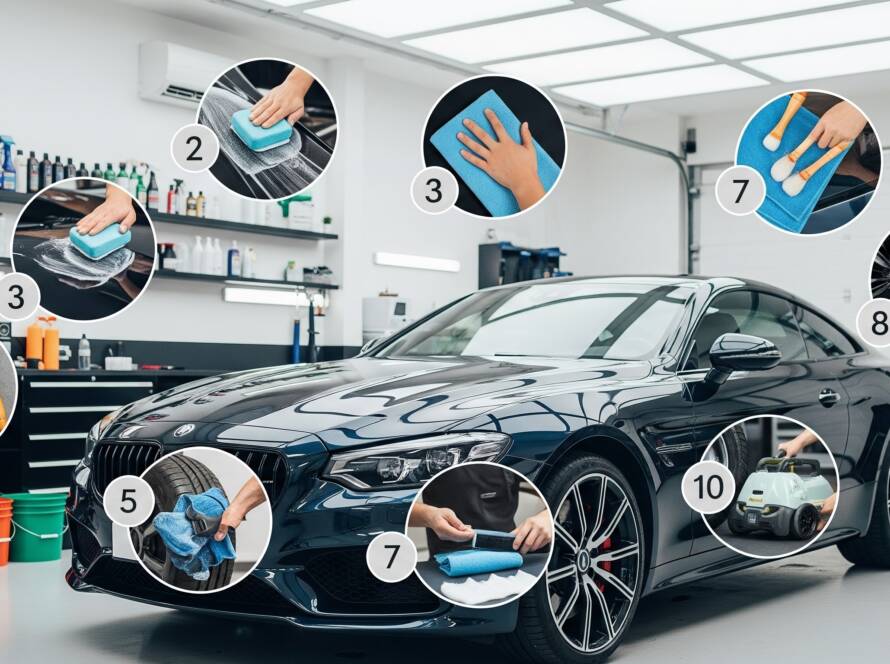


Buying a new car is exciting—but protecting it properly from day one is where most owners either overspend or make costly mistakes. Some go all-in on expensive packages, while others skip protection entirely and deal with fading, scratches, or chips later.
The smart approach is simple: protect what matters most, at the right time, without wasting money.
Key Takeaways
- You don’t need every protection service to keep your car safe
- Early protection helps avoid expensive repairs later
- Focus on high-impact areas instead of full coverage initially
- Long-term solutions offer better value than repeated short-term fixes
- Proper maintenance is essential to preserve results
Why New Cars Still Need Protection
A new car might look perfect, but it’s not protected. From the moment you start driving, your vehicle is exposed to sunlight, road debris, pollution, and improper washing methods.
Even a few weeks of unprotected driving can lead to minor scratches, swirl marks, and surface contamination that reduce your car’s shine. This is why starting early with solutions like paint protection film can make a significant difference in preventing long-term damage.
Start Smart: Focus on High-Impact Areas
You don’t need to protect the entire car right away. Instead, focus on the areas that face the most damage:
- Front bumper
- Hood
- Side mirrors
- Door edges
Protecting these sections first gives you maximum value without overspending, especially if you drive daily or on highways.
Step 1: Prepare the Surface Properly
Before applying any protection, the surface needs to be in the right condition. Even new cars often have minor imperfections from transportation or dealership handling.
Preparing the surface ensures that any protective layer bonds properly and lasts longer, giving you better results over time.
Step 2: Add Long-Term Protection
Once the surface is ready, the next step is protecting it from environmental damage like UV rays, dirt, and contaminants.
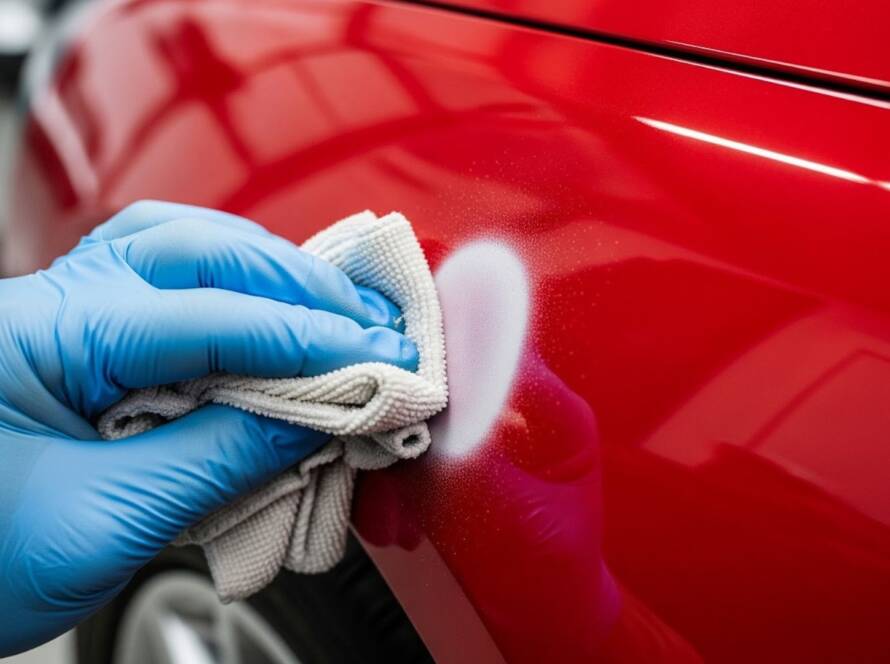
A ceramic coating creates a durable layer that repels water and dirt while maintaining a glossy finish. This reduces cleaning effort and helps your car stay cleaner for longer periods.
Step 3: Protect Against Chips and Scratches
While coatings help maintain shine and cleanliness, they don’t prevent physical impact.
To handle daily driving risks like rock chips and debris, combining protection methods is important—especially for high-impact areas.
Step 4: Avoid Common Overspending Mistakes
Many car owners spend more than necessary because they:
- Choose full coverage when partial protection is enough
- Pay for unnecessary add-ons
- Rely on dealership packages without comparing options
A smarter approach is to start with essential protection and upgrade later based on your driving habits and environment.
Step 5: Maintain Your Car the Right Way
Even the best protection won’t last if maintenance is ignored. Improper washing techniques can introduce scratches and reduce the effectiveness of protective layers.
Consistent and careful upkeep plays a major role in keeping your car looking new.
Important Insight Most Car Owners Miss
Most people assume protecting a car is a one-time decision—something you do once and forget. In reality, it’s an ongoing process that depends on how you use and maintain your vehicle.
Another common mistake is focusing only on short-term shine instead of long-term protection. Many products can make your car look good temporarily, but without proper protection, the paint continues to degrade underneath.
What truly matters is aligning your protection strategy with your driving habits. A daily-driven car exposed to highways, dust, and weather needs a different approach than a car that is rarely used. When you choose protection based on real usage instead of trends, you avoid unnecessary expenses and get better long-term results.
To understand how everyday driving affects your car and what you can do to prevent damage, check out How to Protect Car Paint from Everyday Driving Damage.
Conclusion
Protecting a new car doesn’t have to be expensive—it just has to be done intelligently. Instead of spending heavily upfront or skipping protection altogether, the key is to focus on what truly matters.
Start with the basics, protect high-impact areas, and invest in solutions that provide long-term value rather than short-term results. This approach not only saves money but also ensures your car stays in better condition for years.
At the same time, maintenance should never be overlooked. Even the best protection can fail if the car is not cared for properly. Safe washing methods, regular upkeep, and attention to detail all contribute to preserving your vehicle’s appearance.
For long-term results, combining smart protection with professional auto detailing services ensures your car remains clean, protected, and visually appealing without unnecessary effort or expense.
FAQs
1. Do I need to protect my new car immediately?
Yes, early protection helps prevent damage from UV rays, debris, and contaminants before they affect your paint.
2. Is full car protection necessary?
Not always. Focusing on high-impact areas first is a more cost-effective and practical approach.
3. What is the most budget-friendly way to protect a new car?
Using a combination of surface preparation, targeted protection, and regular maintenance provides the best results without overspending.