
Recent auto care studies show that more than 70 percent of vehicles develop visible paint chips within the first two years of regular driving. Most of these chips come from loose gravel, road salt, and daily highway use. At first, they may look small and harmless, so many drivers choose to ignore them.
The problem is that even a tiny chip exposes bare metal under the paint. Once moisture and air reach that spot, rust can start forming faster than most people expect. Over time, the paint around the chip can peel, spread, and turn into a much larger repair issue. This also lowers the resale value of your car, since buyers often see paint damage as a sign of poor maintenance.
After inspecting hundreds of chipped panels during car paint chip repair jobs, one thing is clear. Early action always leads to better results. Many drivers also ask about paint protection film near me after seeing how much damage simple road driving can cause. Fixing chips early helps keep your car looking clean, protected, and well cared for.
Key Takeaways
- Over 70% of cars develop visible paint chips within the first two years of driving.
- Paint chips are mainly caused by road debris, gravel, high-speed driving, weak paint protection, and weather exposure.
- Small chips can lead to rust, peeling, and larger paint damage if ignored.
- Early repair prevents bigger issues, preserves paint, and maintains resale value.
- Touch-up paint and paint chip repair kits work well for minor chips but require careful application.
- Professional repairs provide accurate color matching, proper prep, and long-lasting results for larger chips.
- Protective solutions like paint protection film for cars and ceramic coatings reduce the risk of future damage.
- Regular inspection and gentle maintenance help catch new chips early and prevent costly repairs.
What Causes Paint Chips on Cars?
Paint chips on car surfaces usually happen during normal driving. Small rocks and gravel kick up from the road and hit the paint at high speed. Highways make this worse because cars travel faster and debris flies farther. Over time, these impacts break through the clear coat and expose the paint underneath.
Another common cause is weak or worn paint protection. When a vehicle does not have a strong protective layer, the paint absorbs more damage from daily use. Weather also plays a role. Hot sun, cold air, rain, and road salt slowly weaken the paint, making it easier to chip.
From a detailer’s point of view, damage shows up most often on the front of the hood, the front bumper, and the side mirrors. These areas face direct impact every time you drive.
Best Ways to Fix Chips in Car Paint
Fixing paint chips properly helps prevent rust, keeps your car looking new, and protects its value. Here are the best options you can consider:
1. Touch-Up Paint
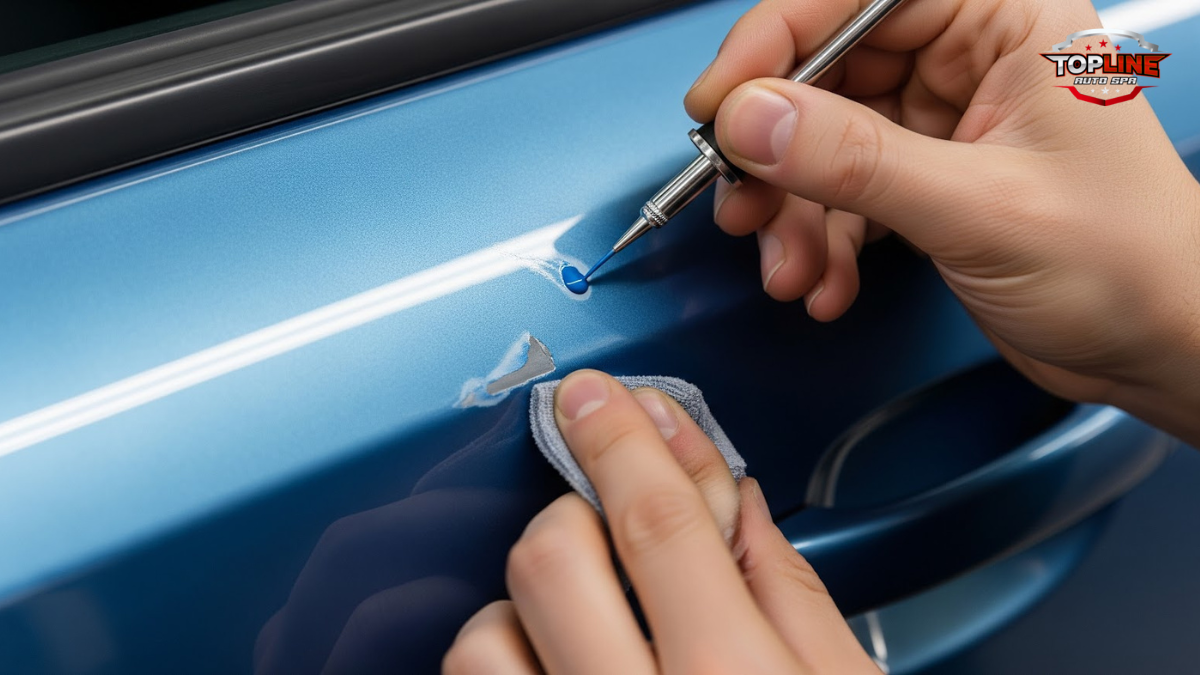
Touch-up paint is ideal for very small chips. It fills the damaged area and prevents metal from rusting. Make sure the color matches your car’s original paint. If applied carefully, it blends well with the surrounding area and can keep the chip from getting worse.
2. Paint Chip Repair Kits
These kits usually include paint, brushes, and clear coat. They are a step up from simple touch-up paint and can cover slightly larger chips. Proper cleaning and careful application are important. When used correctly, they give a smoother finish and longer protection.
3. Professional Paint Chip Repair
A professional repair is best for deeper or larger chips. Experts prep the area, match the paint exactly, and apply the repair so it blends with the rest of the car. This method protects your car’s finish and ensures the repair lasts longer.
4. Clear Coat Application
After touching up or repairing paint, adding a clear coat helps seal and protect the surface. Clear coat prevents moisture and dirt from reaching the metal and keeps the repair shiny. Professionals often use this step for a smooth, polished look.
5. Wet Sanding and Polishing
For chips that are slightly raised or rough, wet sanding can smooth the surface. Polishing afterward restores shine and blends the repaired area with the surrounding paint. This method is usually done by professionals to avoid damaging the finish.
6. Paint Protection Film
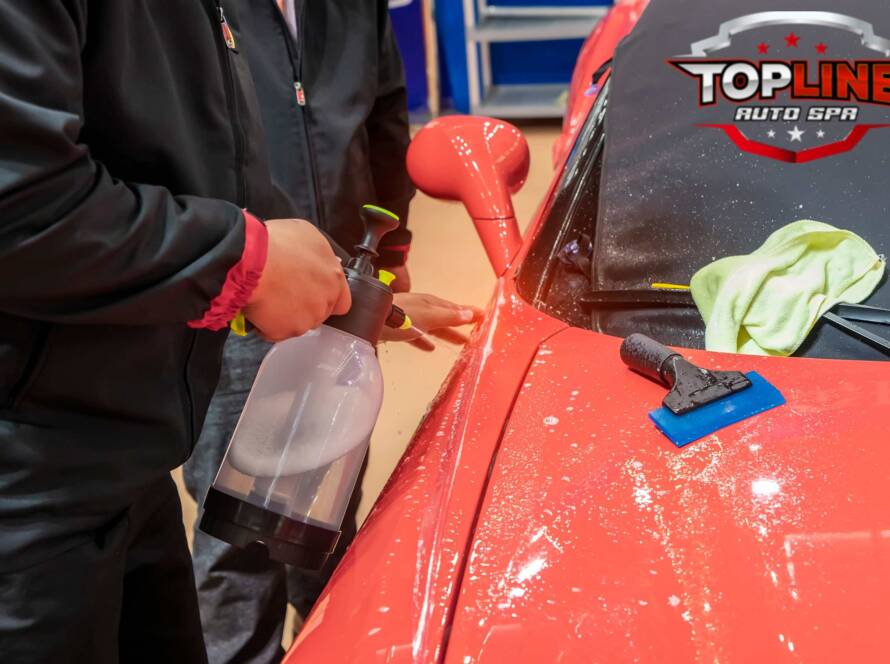
A clear paint protection film can prevent future chips in high-impact areas such as the hood, bumper, and mirrors. Many drivers search for “paint protection film near me” after fixing existing damage. It acts as a shield against rocks, debris, and minor scratches.
7. Ceramic Coating
Ceramic coatings add a hard, protective layer on top of your paint. While they don’t fix existing chips, they make the paint more resistant to damage and easier to clean. Combined with repair, it helps your car stay looking new longer.
8. Regular Maintenance and Inspection
The simplest way to avoid worsening chips is regular inspection. Washing the car gently, checking for new chips, and repairing them quickly can save you bigger repairs later. Small steps make a big difference in protecting your paint.
Can Paint Chips Be Prevented in the Future?
Preventing paint chips on your car starts with the right protection and regular care. Learning the best way to protect car paint from chips can significantly reduce damage caused by road debris and everyday driving. Recent trends in car detailing show that vehicles with protective coatings experience far fewer chips and scratches over time. One of the most effective solutions is using PPF. This clear, durable layer acts as a shield on high-impact areas like the hood, bumper, and side mirrors. It absorbs the force from small rocks, road debris, and everyday driving hazards, keeping your paint intact.
In addition to PPF, there are simple habits that help reduce damage:
- Ceramic Coatings: Adds a hard, protective layer on top of the paint, making it more resistant to minor scratches.
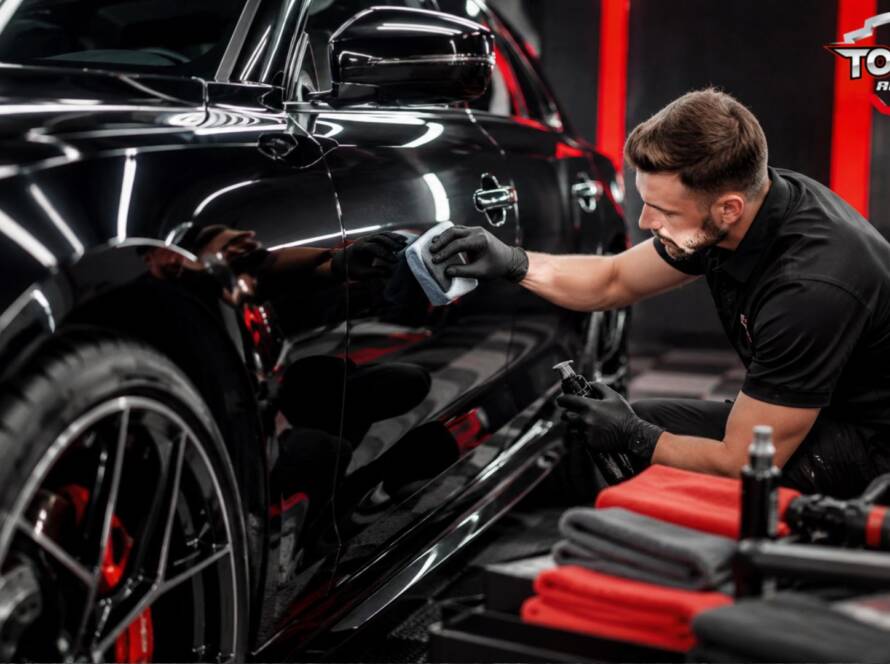
- Safe Washing Practices: Use microfiber cloths and gentle soap to avoid scratching the surface.
- Regular Inspections: Check your car frequently for chips or scratches so they can be repaired early.
- Avoiding Rough Roads: Driving carefully on gravel or poorly maintained roads reduces the chance of new chips.
By combining protective solutions with good maintenance, you can keep your car looking new longer.
Frequently Asked Questions (FAQs)
Q1. Can paint chips cause rust? Yes. Even small chips expose metal. Moisture and air can reach it and start rusting if not repaired.
Q2. Is it safe to ignore small chips? No. Tiny chips can grow bigger over time and may lead to rust or peeling paint. Early repair saves money and effort.
Q3.How long does paint chip repair last? It depends on the method. DIY touch-ups may last a few months to a year. Professional repairs with proper sealing can last many years.
Q4. Will touch-up paint lower resale value? It can, if done poorly. A neat repair keeps value, but uneven or mismatched paint can make buyers notice damage.
Final Thoughts
Paint chips on a car can start small but lead to bigger issues if ignored. Even tiny chips expose metal to moisture and air, which can cause rust and peeling over time. The best repair method depends on the size and depth of the damage. Touch-up paint and repair kits work for minor chips, while larger or deeper damage benefits from professional techniques.
Preventive measures like paint protection film for cars and regular maintenance can greatly reduce the risk of new chips. Experienced detailers, such as those at TopLine AutoSpa, often recommend early inspection and careful repair to maintain a car’s finish and value. Understanding the causes, solutions, and protective options empowers drivers to keep their vehicles looking clean and well-maintained for years. Taking timely action is always better than waiting for small chips to turn into bigger problems.