
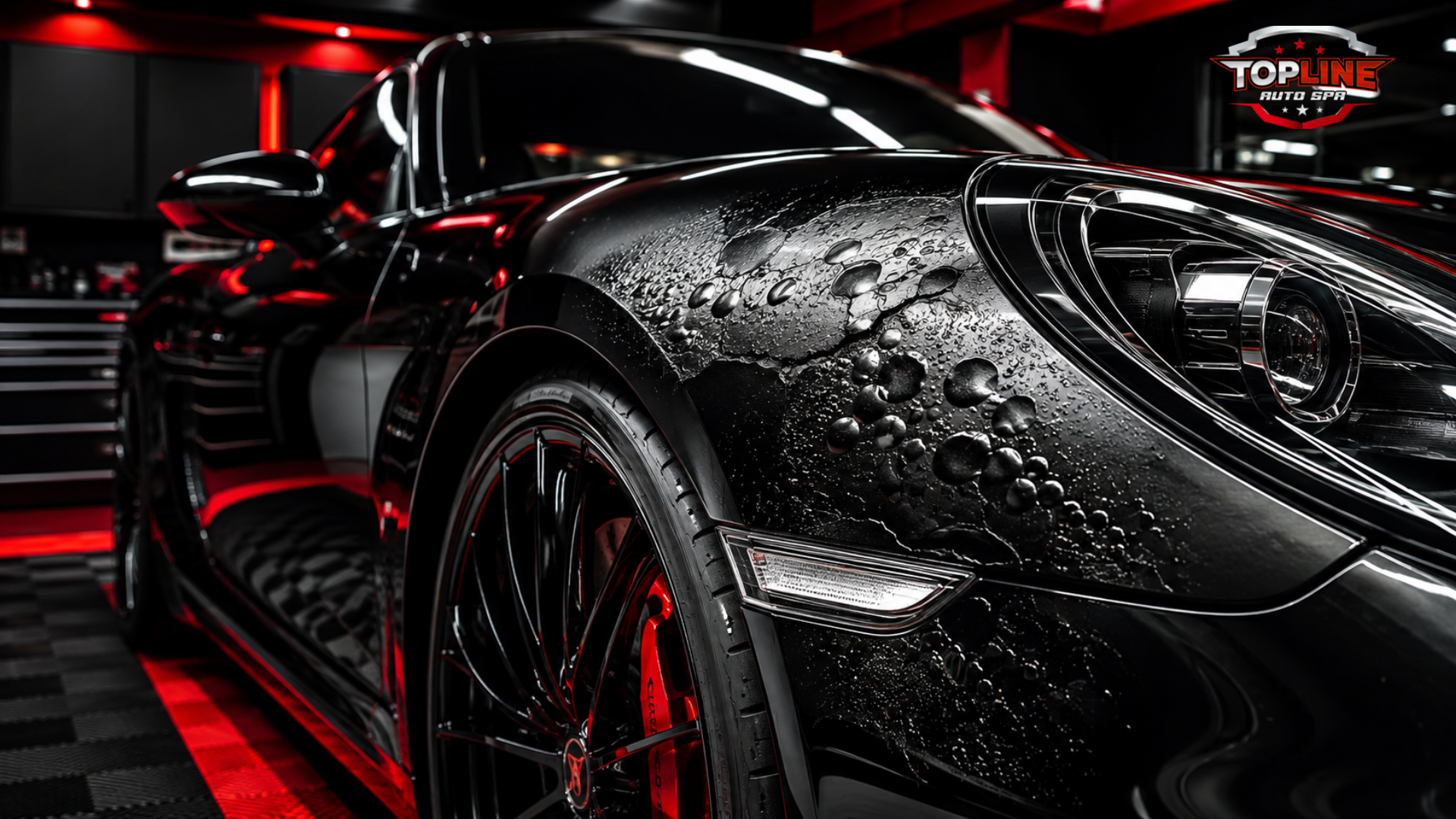
Your car’s paint is supposed to be a smooth, protective barrier against the elements. So when you notice small bubbles forming in the finish, alarm bells naturally go off. What starts as barely noticeable imperfections can gradually become unsightly defects that impact both your vehicle’s appearance and its protection against rust and corrosion.
Car paint bubbling isn’t a cosmetic problem to ignore. It’s a warning sign that something has gone wrong in your paint system. The causes range from poor application technique to environmental factors to underlying rust problems. Understanding what causes these bubbles and, more importantly, how to prevent and fix them helps you protect your investment and maintain your car’s appearance.
This comprehensive guide explores the mechanics of paint bubbling, why it happens, what you can do to prevent it, and how to address the problem once it appears. Whether you’ve noticed small bubbles in fresh car paint or you’re experiencing extensive blistering, understanding the root causes helps you make informed decisions about repairs and future prevention.
Key Takeaways
- Car paint bubbling occurs when air, moisture, or other contaminants get trapped between paint layers or between paint and the clear coat
- Small bubbles in fresh car paint often indicate improper application, inadequate surface preparation, or a contaminated application environment
- Causes of moisture under car paint include humidity during application, water intrusion from damaged seals, or osmotic blistering from water penetration
- Osmotic blistering of car paint is a specific condition where water migrates into the paint system, creating pressure that forms bubbles
- Environmental factors like humidity, temperature fluctuations, and road salt significantly impact paint bubbling risk
- Professional paint correction is often the best solution for existing bubbling, as attempting DIY fixes typically makes problems worse
- Prevention through proper surface preparation, controlled application environment, and protective coatings is far more cost-effective than fixing existing damage
- Lehigh Valley’s humid climate and road salt exposure make paint bubbling prevention especially important for regional residents
Understanding Paint Bubbling: The Mechanics Behind the Problem
To understand car paint bubbling, you need to know how automotive paint is structured and what conditions create bubbles.
Modern automotive paint is a layered system. The base layer is primer, a foundation that improves adhesion and protects the bare metal substrate. Above the primer sits the basecoat, which provides your car’s color. Finally, clear coat sits on top, providing gloss and UV protection.
Each layer is supposed to bond tightly to the layer beneath it. When applied correctly with proper surface preparation, these bonds are strong and durable. But several things can compromise these bonds or create gaps where air and moisture become trapped.
Paint bubbling occurs when something gets trapped between these layers. This “something” is usually air or moisture, but occasionally it’s other contaminants. As the trapped substance expands due to heat or chemical reactions, it creates pressure that pushes the paint away from the layer beneath, forming a bubble.
Think of it like applying wallpaper with air pockets underneath. The wallpaper looks fine until heat or humidity changes pressure, and suddenly the bubble becomes visible and grows. Paint bubbling works similarly; the problem might have existed beneath the surface for months before becoming visible.
The location of bubbles provides clues about the cause. Bubbles right at the primer-to-basecoat interface suggest application problems. Bubbles in the clear coat suggest moisture intrusion. Bubbles at the paint-to-metal interface suggest deeper corrosion or rust problems.
Small Bubbles in Fresh Car Paint: Application-Related Issues
The most common scenario for paint bubbling is small bubbles appearing in fresh paint, particularly after a recent paint job or touch-up. This typically indicates application or preparation problems rather than environmental damage.
Improper Surface Preparation
Before paint is applied, the surface must be absolutely clean and smooth. Any dirt, dust, wax, or contaminant left on the surface prevents paint from bonding properly. These particles create small voids where paint doesn’t make contact with the underlying surface.
When new paint is applied over inadequately prepared surfaces, small gaps form beneath the paint. These gaps might not be visible initially, but as heat and humidity fluctuate, pressure changes cause paint to bubble at these void locations.
Professional painters perform multi-step surface preparation specifically to prevent this problem. They wash with appropriate cleaner, clay bar to remove embedded contaminants, sand to create texture for adhesion, and final wipe-down with tack cloth to remove all dust. This thorough process takes time, which is why cheap paint jobs often have poor surface preparation; shops rush through this critical step to save money.
Moisture During Application
Moisture during paint application is one of the most common causes of small bubbles in fresh car paint. If the car is washed immediately before painting, residual water can trap under the paint. If the shop is humid, moisture in the air gets sealed into the paint as it cures.
Professional paint shops maintain controlled environments with specific humidity levels (typically 40-60% relative humidity) and temperature ranges (typically 65-75°F). These conditions allow paint to cure properly without trapping moisture. Shops without environmental controls often experience paint bubbling problems.
For DIY paint touch-ups, this is a critical consideration. Applying paint in high humidity or wet conditions almost guarantees bubbling. The moisture gets trapped as the paint dries, creating bubbles that appear within days or weeks.
Inadequate Drying Time Between Coats
Each paint layer needs specific drying time before the next layer is applied. If a second coat is applied before the first coat fully dries, solvents from the upper coat can’t escape properly. These trapped solvents create vapor pressure that forms bubbles as the paint cures.
Professional shops have strict guidelines about drying time between coats. Budget shops sometimes rush through the process to complete jobs faster. This false economy results in paint that looks acceptable briefly but develops bubbling as it fully cures.
Application in Contaminated Environment
Paint shops with poor air filtration collect dust and contaminants that end up in fresh paint. When dust particles get sealed into wet paint, they create microscopically small voids. These voids eventually form bubbles as the paint cures.
High-quality professional shops use paint booths with controlled airflow and filtration. These environments keep paint jobs free from contamination. Shops without proper facilities often experience paint quality issues, including bubbling.
Causes of Moisture Under Car Paint: How Water Gets Where It Shouldn’t
Beyond application issues, moisture can get trapped under paint through various environmental and structural mechanisms. Understanding these causes helps you prevent moisture-related paint problems.
Water Intrusion from Damaged Seals
Your car has numerous weather seals around doors, windows, trim, and body panel gaps. These seals prevent water from entering the vehicle. When seals deteriorate from age or damage, water can enter the space between panels and paint.
Water then gets trapped between the paint and the metal substrate. As temperatures fluctuate, this trapped water expands and contracts, creating pressure that pushes paint away from the metal, forming bubbles. This often happens at door edges, window frames, or panel seams.
Lehigh Valley residents should be especially vigilant about seal maintenance. Our winter weather and road salt accelerate seal deterioration. Preventive maintenance, checking seals regularly and replacing deteriorated ones before water penetrates, prevents moisture-related paint damage.
Incomplete Paint Coverage Over Repairs
When cars are repaired, whether from accident damage, rust removal, or dent correction, the repair area is repainted. If the repair doesn’t include complete coverage of all affected metal, some metal remains exposed or inadequately painted.
This exposed metal can corrode or allow water penetration. The corrosion creates pressure that pushes overlying paint away, forming bubbles. The problem might not appear for months after the repair as corrosion gradually develops.
Quality repair shops ensure complete coverage of all affected areas. Budget shops sometimes use minimal paint to save time and cost, creating conditions for later moisture problems.
Humidity During Curing
Even properly prepared surfaces can trap moisture if paint is applied during high humidity. Humidity draws moisture into the paint system, especially if curing conditions don’t allow moisture to escape before paint hardens.
Professional shops control humidity specifically to prevent this. DIY applications in humid conditions almost guarantee moisture-related problems within weeks or months.
Washout During Application
Rain or unexpected moisture during fresh paint application creates obvious problems. If a freshly painted car is exposed to water before paint fully cures, water gets trapped in the uncured paint. As the paint dries, it traps this moisture, which causes bubbling.
This is why professional shops have climate-controlled facilities. Even a brief exposure to humidity can compromise a fresh paint job if timing is wrong.
Osmotic Blistering Car Paint: The Specific Condition You Need to Understand
A specific type of paint bubbling called osmotic blistering deserves detailed explanation because it’s particularly problematic and often misunderstood.
Osmotic blistering car paint occurs when water molecules move through the paint system via osmosis, the natural process where water molecules migrate from areas of higher water concentration to areas of lower concentration through a semi-permeable membrane.
Here’s how it works: Paint and clear coat are not completely impermeable to water. They allow water molecules to pass through very slowly. If water gets beneath the paint through a chip, scratch, or compromised seal, it creates an area of high water concentration beneath the paint.
Water molecules naturally migrate toward areas of lower water concentration, which in this case is inside the paint itself. As water moves into the paint through osmosis, it accumulates. This trapped water creates pressure that pushes paint away from the substrate, forming bubbles.
The blistering might appear far from the original entry point where water got underneath. Water can travel several inches under the paint before osmotic pressure becomes strong enough to push paint into a visible bubble. This makes finding the source of the problem challenging.
Osmotic blistering is particularly common in older vehicles or those exposed to long-term water contact. Cars parked near salt water (or treated with road salt in Lehigh Valley winters) are especially vulnerable because salt water accelerates the osmotic process.
Once osmotic blistering starts, it’s progressive. Water keeps migrating inward, pressure keeps building, and blisters keep forming. Simply painting over existing blisters doesn’t solve the problem; you’re just trapping more water and pressure under new paint, which will blister again.
Identifying Paint Bubbling: How to Recognize Different Types
Understanding what type of bubbling you’re dealing with helps determine the appropriate solution.
Small Surface Bubbles
Tiny bubbles appearing in fresh paint, typically within days or weeks of application, indicate application or environmental problems during the paint job itself. These are usually visible only up close and might be microscopic in size initially.
Surface bubbles often indicate moisture during application or inadequate drying time between coats. They’re usually confined to a small area where the problem occurred during painting.
Expanding Bubbles in Clear Coat
Bubbles that gradually get larger and spread across wider areas often indicate moisture intrusion and osmotic blistering. These might start in one location and progressively appear in nearby areas as water migrates under the paint.
Progressive bubbling suggests water is actively moving under the paint, creating new bubbles over time. This is more serious than isolated surface bubbles because it indicates ongoing water penetration.
Bubbling at Panel Seams
Bubbles appearing specifically at body panel edges, door frames, or panel seams often indicate water intrusion through compromised seals. Water travels along the seam, gets trapped beneath paint, and creates bubbling.
Panel seam bubbling suggests structural water intrusion rather than application problems. The solution involves finding and fixing the source of water entry, not just fixing the paint.
Large Blistered Areas
Significant areas of paint lifting away from the substrate in large blisters indicate advanced osmotic blistering or severe corrosion underneath. At this stage, the problem is well-established and requires comprehensive repair.
Large blisters mean the underlying substrate (and potentially metal) is compromised. Simple paint correction won’t fix this; you need metal repair or replacement depending on severity.
Environmental Factors Contributing to Paint Bubbling
Beyond application issues, your environment significantly impacts paint bubbling risk.
Humidity and Temperature Fluctuations
High humidity encourages water absorption into paint. Temperature fluctuations create pressure changes that expand trapped air and moisture. Lehigh Valley’s climate has humid springs and summers, harsh winters with salt exposure, creating conditions favoring paint problems.
The combination of high humidity and temperature swings puts stress on paint systems. Vehicles exposed to these conditions without protection (like ceramic coating) are at higher risk for bubbling.
Road Salt Exposure
Road salt used in Lehigh Valley winters accelerates paint problems. Salt increases the conductivity of water beneath paint, accelerating osmotic processes. Salt also corrodes the underlying metal substrate, which creates its own expansion pressure that pushes paint into bubbles.
Winter vehicles in salt-treated areas face elevated paint bubbling risk. Regular washing to remove salt and protective treatments like professional paint protection film help prevent salt-related damage.
UV Exposure
Intense UV exposure degrades paint and clear coat, making them more permeable to water. Vehicles in sunny climates face a higher risk of water penetration through UV-damaged paint.
Lehigh Valley summers bring significant UV exposure despite not being the sunniest region. Over time, cumulative UV damage creates conditions favoring moisture intrusion and bubbling.
Acid Rain and Industrial Pollution
Areas with acid rain or industrial pollution face paint damage from chemical attack. These chemicals break down paint and clear coat, making water intrusion more likely. Some Lehigh Valley industrial areas experience this problem more than others.
Chemical pollution combined with moisture creates perfect conditions for paint damage and bubbling. Professional detailing services remove these contaminants before they cause permanent damage.
Preventing Paint Bubbling: Proactive Strategies That Work
Prevention is far more cost-effective than fixing paint bubbling after it appears. Several strategies dramatically reduce bubbling risk.
Proper Surface Preparation Before Painting
If you’re planning paint work, proper surface preparation is non-negotiable. The surface must be cleaned thoroughly, all contaminants removed, and texture created for adhesion. This takes time but prevents problems.
For professional work, insist on multi-step preparation including clay bar treatment and final tack cloth cleaning. For DIY work, don’t rush preparation. Thorough preparation prevents most application-related bubbling.
Controlled Application Environment
Paint application should occur in a dry, clean environment with controlled humidity and temperature. Never apply paint in high humidity or wet conditions. If you’re using professional services, verify they maintain proper environmental controls.
For DIY applications, create the best conditions possible. Choose dry days, apply in shaded areas if possible, and allow plenty of drying time between coats.
Protective Coatings
Professional ceramic coating creates a protective barrier that reduces water penetration. The hydrophobic coating prevents water from soaking into the paint system, reducing osmotic blistering risk.
Ceramic coating doesn’t prevent all paint problems, but it significantly reduces moisture-related issues. For vehicles in challenging climates like Lehigh Valley, ceramic coating is preventive maintenance worth the investment.
Seal Maintenance
Regularly inspect weather seals around doors, windows, and body panels. Replace deteriorated seals before water penetrates. This simple maintenance prevents water intrusion that causes extensive paint problems.
For Lehigh Valley residents, winter salt accelerates seal deterioration. Check seals annually and replace as needed. This preventive maintenance costs far less than paint repair.
Regular Washing and Contaminant Removal
Regular washing removes salt, chemicals, and contaminants that accelerate paint damage. In Lehigh Valley, winter salt requires more frequent washing than most regions. Removing salt before it corrodes the substrate prevents underlying corrosion that creates bubbling.
Use quality car wash soap that won’t strip protective coatings. Regular maintenance prevents accumulation of damage-causing contaminants.
Garaged Storage
Storing your vehicle in a garage or covered area protects it from environmental exposure. Even partial protection from sun, rain, and salt dramatically reduces paint damage and bubbling risk.
If garage storage isn’t possible, car covers provide protection. The reduction in environmental exposure justifies the cost through extended paint life.
Fixing Paint Bubbling: Solutions for Different Severity Levels
Once bubbling appears, solutions vary depending on severity. Understanding your options helps you make cost-effective decisions.
Minor Surface Bubbles in Fresh Paint
If you notice small bubbles appearing in paint within days or weeks of a paint job, address it immediately with the shop that did the work. Most reputable shops warrant their work and will correct bubbling at no charge if it’s their application error.
Document the bubbles with photos and contact the shop promptly. Professional shops expect to address such issues and will sand down the affected area, properly prepare the surface, and repaint without charging you.
Localized Bubbling (Small Area)
If bubbling is confined to a small area and the underlying paint appears sound, professional paint correction might address it. The technician will sand out the bubbled area, properly prepare the surface, and blend new paint to match the existing finish.
This approach works best if bubbling is minimal and caught early. Early intervention prevents water from penetrating deeper and causing more extensive damage.
Progressive or Widespread Bubbling
If bubbles continue appearing in multiple areas or are spreading, water is actively penetrating under the paint. This requires more comprehensive solutions.
First, you need to find and stop the water intrusion source. This might involve finding and sealing a compromised weather seal, or addressing rust/corrosion creating the moisture. Without stopping water entry, repainting just delays the problem.
Once you’ve addressed the water source, the bubbled paint needs to be removed and the area properly prepared before repainting. This is typically a shop job because proper repair requires ensuring no underlying corrosion remains.
Extensive Blistering with Substrate Damage
Large areas of blistering, especially with visible metal damage beneath, require significant repair. The damaged metal might need to be replaced or treated for corrosion. The entire paint system in the affected area needs removal and reapplication.
This level of damage is expensive to fix. It’s why prevention through proper maintenance and protective coatings is so important.
Paint Bubbling in Lehigh Valley: Regional Factors and Solutions
Lehigh Valley residents face specific paint challenges that make bubbling more likely than in milder climates.
Winter Road Salt Damage
Our winters bring extensive road salt application. Salt spray coats your vehicle and accelerates corrosion. Under paint, salt creates osmotic conditions that favor water migration and blistering. Vehicles with minor paint damage (chips, scratches) face accelerated bubbling because salt can penetrate through these breaks and attack the substrate.
Prevention involves regular winter washing to remove salt before it causes damage, protective coatings to prevent water intrusion, and prompt repair of paint damage. These preventive measures are essential in our climate.
Hard Water and Mineral Spotting
Many Lehigh Valley areas have mineral-rich water. This affects not just windshields (where mineral spotting is obvious) but also paint. Mineral deposits on paint can create small voids where paint doesn’t bond perfectly. Over time and with temperature fluctuations, these spots can develop into bubbles.
Using distilled water for final rinses after washing helps prevent mineral-related paint damage. Professional detailing services use quality water treatment to minimize this problem.
High Humidity
Our humid climate, especially spring through fall, creates conditions favoring water intrusion and osmotic blistering. The moisture constantly present in the air encourages water to migrate into paint systems, particularly if the paint has any compromises.
Protective coatings and garage storage are especially valuable in humid climates. These reduce the total moisture exposure that drives osmotic processes.
Industrial Pollution
Some Lehigh Valley areas experience industrial pollution that bonds to paint and accelerates degradation. This pollution combined with moisture creates perfect conditions for paint problems and bubbling.
Regular professional detailing removes pollution before it causes permanent damage. For vehicles in industrial areas, quarterly detailing might be appropriate rather than the typical semi-annual schedule.
When to Seek Professional Help vs. DIY Solutions
Knowing when to handle paint issues yourself versus calling a professional prevents costly mistakes.
Handle Yourself
Minor preventive maintenance is appropriate for DIY:
- Regular washing with quality soap
- Waxing to maintain protection
- Seal inspection and replacement if needed
- Removing environmental contaminants promptly
Seek Professional Help
Paint bubbling repair requires professional attention:
- Any paint bubbling should be evaluated by a professional
- Determining whether bubbling is an application error or water intrusion requires expertise
- Proper repair requires professional equipment and materials
- Attempting to fix bubbling yourself usually makes it worse
Paint corrections are precision work. The wrong approach can make bubbling worse, spread it further, or create new problems. Professional technicians have the knowledge to diagnose the underlying cause and apply appropriate solutions.
Conclusion: Paint Bubbling Prevention as Part of Comprehensive Vehicle Care
Car paint bubbling is a frustrating problem that can be prevented through proper attention and maintenance. Understanding what causes bubbling, from application issues to moisture intrusion to osmotic blistering, helps you take preventive action before problems develop.
For Lehigh Valley residents specifically, our climate makes paint bubbling prevention especially important. Road salt, humidity, and hard water create conditions favoring paint problems. Regular maintenance, protective coatings, and prompt attention to damage are essential parts of vehicle care in our region.
The most cost-effective approach combines prevention with early intervention. Prevent moisture intrusion through seal maintenance and protective coatings. Address any paint damage promptly before water can penetrate. Wash regularly to remove salt and environmental contaminants. When professional services are needed, whether for paint correction or detailing, address problems early while they’re still small.
Starting with preventive maintenance now saves far more money than dealing with extensive paint bubbling later. Whether you’re maintaining a new vehicle or preserving an aging one, paint protection and proper maintenance keep your car looking great while preventing expensive damage. The investment in prevention always pays dividends.
Frequently Asked Questions
- What’s the difference between regular paint bubbles and osmotic blistering car paint?
Regular paint bubbles are typically isolated, appearing in one area related to a specific application issue or localized water intrusion. Osmotic blistering car paint involves progressive bubbles that continue appearing in new areas as water migrates under the paint through osmosis.
Regular bubbles might stop appearing if you address the cause (like fixing a weather seal). Osmotic blistering continues spreading until you stop the water intrusion completely. Osmotic blistering often appears far from the original entry point because water travels under the paint seeking areas of lower water concentration. The key difference is that osmotic blistering is progressive and widespread, while regular bubbles are usually localized.
- How long does it typically take for paint bubbles to appear after a paint job?
Small bubbles in fresh car paint usually appear within 2-4 weeks if they’re going to appear at all. These typically indicate application or environmental problems during painting. The paint might look fine initially, but as it fully cures and temperature/humidity fluctuate, trapped air and moisture create bubbles.
Osmotic blistering takes longer to develop, often months to years. Water needs time to migrate into the paint system and accumulate enough pressure to form visible bubbles. This is why osmotic blistering can be particularly frustrating: the damage occurred when the paint was applied, but the problem doesn’t become visible until much later.
- Can I just paint over paint bubbles to fix them?
No. Painting over bubbles without addressing the underlying cause will create the same problem again under new paint. If bubbles resulted from application issues, repainting without proper preparation will trap the same problems again. If water is causing bubbling, that water is still present. You’d just be trapping it under additional paint layers.
Proper repair requires removing the bubbled paint, identifying and fixing the cause (whether an application problem or water intrusion), properly preparing the surface, and then repainting. Skipping these steps leads to repeated bubbling problems.
- Is paint bubbling covered by manufacturer warranty?
That depends on whether the bubbling is caused by a manufacturing defect or by conditions outside the manufacturer’s control. Bubbling from application defects during manufacturing is typically covered. Bubbling from water intrusion, osmotic blistering, or environmental damage usually isn’t covered.
If paint bubbles appear very soon after manufacturing and you haven’t modified the vehicle, contact the manufacturer about warranty coverage. For used vehicles or bubbling appearing after years, warranty coverage is unlikely. This is why preventive maintenance and protective coatings matter; they’re your protection against paint problems that warranties don’t cover.
- Can protective coatings like ceramic coating prevent paint bubbling?
Ceramic coating significantly reduces bubbling risk by creating a hydrophobic barrier that prevents water from soaking into the paint system. However, it doesn’t prevent all bubbling completely. If water intrudes through damaged seals or paint damage, it can still get trapped beneath the coating.
Ceramic coating is one part of a comprehensive prevention strategy that includes seal maintenance, prompt damage repair, and regular cleaning. The combination of these approaches dramatically reduces bubbling risk compared to any single measure alone.
- Should I fix paint bubbling immediately or can I wait?
Address paint bubbling as soon as possible. Waiting allows the problem to progress. Small bubbles can expand into larger damaged areas. Water intrusion continues, creating more bubbles. The longer you wait, the more extensive the repair becomes and the more expensive it becomes.
Early intervention when bubbling is minimal often requires just localized correction. Waiting until bubbling is extensive might require removing large paint sections and extensive metal work. Fixing problems early saves money and prevents spread of damage.
- Why does paint bubble more often in high-humidity areas like Lehigh Valley?
Humidity provides the moisture that gets trapped in paint. High humidity during painting increases the risk of moisture intrusion. After painting, high humidity creates osmotic conditions that favor water migration into the paint system. The constant moisture in humid environments puts continuous stress on paint systems.
Our region’s spring and summer humidity combined with winter salt exposure creates particularly challenging conditions for paint. Regular maintenance and protective coatings are especially important in humid climates.
- Can road salt directly cause paint bubbling?
Road salt accelerates paint bubbling through multiple mechanisms. Salt water under paint creates osmotic conditions that draw additional water into the paint system. Salt corrodes underlying metal, which creates expansion pressure pushing paint into bubbles. Salt also makes water more conductive, accelerating electrochemical reactions that damage paint.
Removing road salt promptly through winter washing prevents salt accumulation. Protective coatings create barriers against salt penetration. These preventive measures are essential for vehicles in salt-treated climates like Lehigh Valley.
- Does temperature fluctuation cause paint bubbling?
Temperature fluctuations don’t directly cause paint bubbling but create conditions that make it visible. Trapped air and moisture expand when heated and contract when cooled. This expansion and contraction create pressure that pushes paint into bubbles when heated.
Vehicles parked in direct sunlight after painting, then cooled rapidly, experience the most extreme temperature swings. These rapid temperature changes create pressure spikes that can form bubbles in just hours or days if moisture is trapped in the paint.
- How much does professional paint bubbling repair cost?
Repair cost depends on severity. Localized small bubble repair using professional paint correction might cost $300-800. Larger areas requiring paint removal and repainting might cost $500-1500 or more per panel. Extensive bubbling with substrate damage might cost $1000-3000+ depending on the extent of metal work needed.
Prevention is far more cost-effective than repair. Protective coatings costing $500-1500 prevent bubbling problems that cost hundreds or thousands to fix. Regular maintenance and prompt damage repair cost far less than fixing extensive paint problems.