
Your vehicle’s paint is more than just a cosmetic feature—it’s a critical protective barrier that safeguards the underlying metal from rust, corrosion, and environmental degradation. Yet many car owners treat their paint as an afterthought, assuming a regular car wash is sufficient protection. In reality, your vehicle’s paint faces constant assault from environmental elements, and without proper protection, it gradually deteriorates, fades, and becomes damaged.
Car paint protection has evolved significantly from the simple paste wax of decades past. Modern paint protection methods range from ceramic coatings and paint protection films to advanced detailing treatments that offer unprecedented durability and protection. Understanding these options and implementing a comprehensive protection strategy is one of the most important investments you can make in your vehicle’s appearance and longevity.
The financial stakes of paint protection are substantial. A complete vehicle repaint costs $3,000-$10,000 or more, depending on your vehicle’s size and the paint quality desired. Repairs to address oxidation, fading, and environmental damage can cost hundreds to thousands of dollars. Proper paint protection costs a fraction of these repair bills while being far more effective at prevention than attempting repairs after damage occurs.
For vehicle owners in Lehigh Valley, paint protection takes on additional importance. Our regional climate with road salt exposure, extreme temperature swings, hard water spotting, and intense summer UV radiation creates particularly challenging conditions for unprotected paint. The environmental factors that damage paint in milder climates affect vehicles in our region far more aggressively and rapidly.
This comprehensive guide explores every aspect of car paint protection, from understanding what damages paint to exploring the most effective protection methods available. Whether you own a new vehicle you want to protect from the start or an older vehicle showing signs of paint damage, implementing proper protection strategies preserves your vehicle’s appearance, maintains its value, and prevents expensive damage before it occurs.
Key Takeaways
- Car paint protection prevents UV damage, oxidation, environmental contaminants, and chemical damage that gradually degrade unprotected paint
- Ceramic coating provides long-lasting protection lasting 2-5 years, dramatically more durable than traditional wax lasting weeks to months
- Paint protection film creates a physical barrier protecting high-risk areas from chips, scratches, and debris damage
- Proper detailing and decontamination establish the foundation for all effective paint protection methods
- Lehigh Valley’s road salt, hard water, and temperature extremes require more aggressive paint protection than milder climates
- Regular maintenance of protective coatings extends their durability and maintains protection effectiveness
- Combining multiple protection methods—ceramic coating and paint protection film—provides the most comprehensive defense
- Professional application of protective treatments ensures proper coverage and maximum effectiveness
- Paint protection is more cost-effective than addressing paint damage after it occurs
- The right paint protection strategy preserves your vehicle’s appearance, value, and investment
Understanding Paint Damage: Why Protection Is Essential
Your vehicle’s paint faces threats from multiple sources, and understanding these threats helps you appreciate why protection is essential rather than optional.
Ultraviolet radiation from the sun is one of the most significant threats to automotive paint. UV rays fade paint color, degrade the clear coat that protects your paint’s color and gloss, and cause oxidation that gives paint a dull, chalky appearance. This damage accumulates gradually—you might not notice significant fading over months, but after years without protection, the difference becomes obvious.
Environmental contaminants bond to paint and cause damage. Bird droppings contain acidic compounds that etch clear coat. Tree sap contains resins that chemically bond to paint. Industrial fallout and brake dust create oxidation and corrosion. Road tar and grime bond to paint and become increasingly difficult to remove as time passes. Each of these contaminants, if left unaddressed, eventually causes permanent paint damage.
Road salt in winter months is particularly destructive for Lehigh Valley vehicles. Salt spray coats your vehicle’s exterior and accelerates corrosion of both paint and underlying metal. Road salt doesn’t just affect paint—it corrodes trim, damages undercarriage components, and can eventually compromise structural integrity if not properly managed.
Hard water spotting occurs when mineral-rich water deposits dry on your paint. In Lehigh Valley, many water sources contain high mineral content. After car washing with hard water, minerals bond to clear coat and create visible spots. If not addressed, these mineral deposits etch into clear coat, creating permanent damage.
Water damage accelerates paint degradation. Water penetrating through damaged paint or compromised seals causes rust and corrosion underneath paint layers. This subsurface corrosion eventually pushes paint away from underlying surfaces, creating bubbling and peeling.
Temperature extremes stress paint and protective coatings. Expansion and contraction from heating and cooling cycles create stress that compromises adhesion. Lehigh Valley’s temperature swings from summer highs exceeding 90 degrees to winter lows below freezing create particularly harsh conditions.
Oxidation occurs when paint’s protective clear coat degrades and underlying paint oxidizes. This oxidation appears as a dull, chalky surface on older vehicles with unprotected paint. Once oxidation reaches this stage, paint correction or repainting becomes necessary.
Understanding these threats helps you appreciate why paint protection isn’t a luxury—it’s essential maintenance that prevents expensive damage.
The Foundation: Professional Detailing and Paint Preparation
Effective paint protection begins with proper preparation. You can’t apply protection effectively to dirty, contaminated paint, which is why professional detailing represents the foundation of any paint protection strategy.
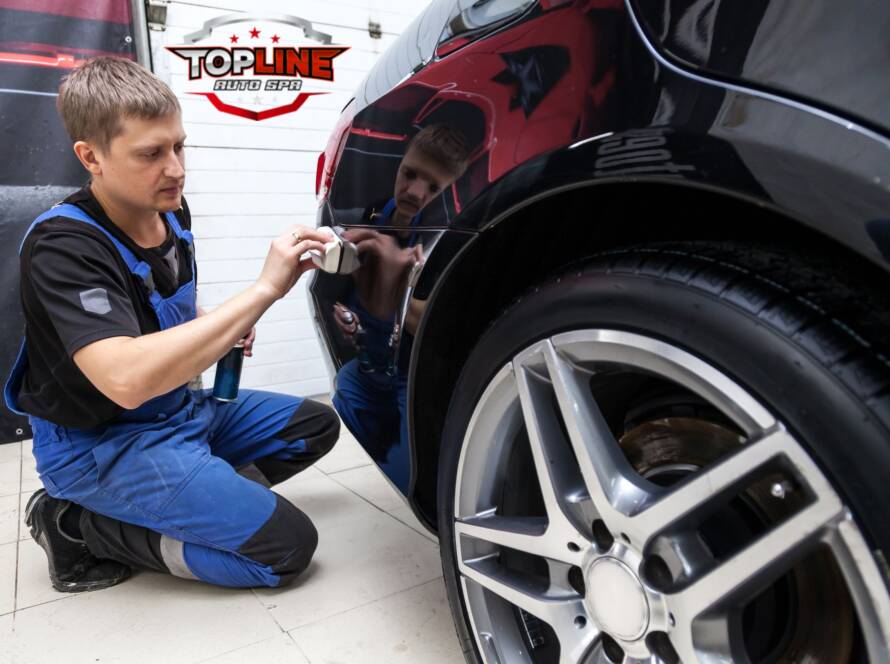
Professional detailing begins with thorough exterior cleaning. This isn’t simply a car wash—it’s comprehensive cleaning using appropriate products and techniques designed to remove all contaminants. A quality car wash removes loose dirt. Professional detailing removes embedded contaminants that regular washing misses.
Clay bar decontamination is the critical step that separates professional detailing from basic car washing. Clay bar is a specially formulated decontaminant that removes embedded environmental fallout, industrial pollution, and bonded contaminants that regular washing can’t touch. When you run your hand across clay bar treated paint, it feels noticeably smoother because the embedded grit has been removed.
Paint correction addresses existing damage before protection is applied. Swirl marks from improper washing, fine scratches, oxidation, and water spots are corrected through professional paint correction. This restoration brings your paint back to clarity and depth before protection is applied. Protecting damaged paint doesn’t improve the damage—it just locks it in place.
Surface preparation through proper cleaning and correction ensures that protective treatments bond effectively. Paint protection applied to improperly prepared surfaces won’t adhere properly and won’t provide the intended protection. Professional preparation prevents this problem.
Many vehicle owners skip professional preparation, attempting to apply protection to unprepared paint. This false economy results in inadequate protection that fails prematurely. Proper preparation upfront ensures years of effective protection rather than months of disappointing results.
Ceramic Coating: Modern Paint Protection Technology
Ceramic coating represents one of the most significant advances in paint protection technology. This professional-grade treatment has revolutionized how serious car owners protect their vehicles.
Ceramic coating uses silicon dioxide nanoparticles suspended in a liquid solution. When applied to properly prepared paint, the solution bonds chemically with the clear coat, forming a hydrophobic surface that actively repels water and resists contaminant bonding.
The hydrophobic properties of ceramic coating are revolutionary. Water no longer sheets across your paint—instead, it beads up and rolls away. This water beading provides immediate visible confirmation that the coating is working. But the practical benefits go far beyond the satisfying visual effect.
The hydrophobic surface dramatically reduces how aggressively environmental contaminants bond to your paint. Bird droppings, tree sap, and road chemicals remain on top of the ceramic coating rather than directly attacking your clear coat. This means you can address contaminants before they cause permanent damage.
UV protection provided by ceramic coating prevents the sun damage that would otherwise gradually fade and degrade unprotected paint. The coating actively blocks ultraviolet radiation from reaching your clear coat, preserving your paint’s color and gloss throughout years of ownership.
Durability is where ceramic coating truly excels. A quality ceramic coating application lasts 2-5 years depending on the specific product, vehicle usage, and maintenance. This is dramatically longer than traditional wax lasting weeks to months or sealants lasting several months. The extended durability means fewer applications and less frequent maintenance.
Maintenance requirements for ceramic coated paint are significantly lower than for unprotected paint. You still need to wash your vehicle regularly, but detailing frequency is reduced because the coating handles much of the protection work. For busy car owners, this reduced maintenance is valuable.
The cost of ceramic coating typically ranges from $400-$800 for complete vehicle application. While this represents a meaningful investment, the durability and protection provided make it cost-effective compared to traditional wax coatings requiring frequent reapplication.
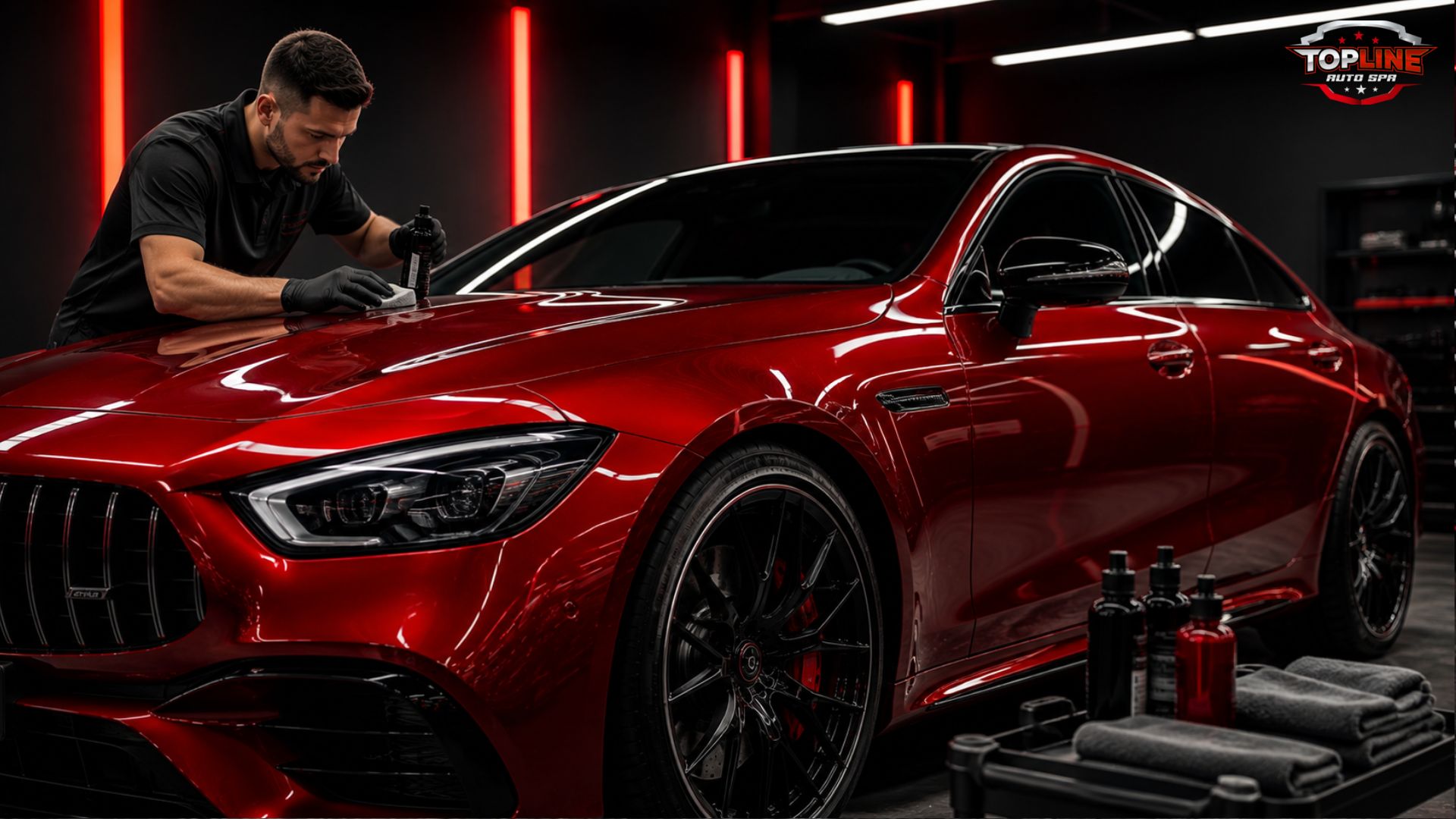
Professional application is essential for ceramic coating. Proper application requires the vehicle to be thoroughly prepared, the coating must be applied in controlled conditions, and curing time must be respected. Professional installers have the expertise and environment to ensure proper application that delivers years of protection.
Paint Protection Film: Physical Barrier Defense
While ceramic coating provides chemical protection through hydrophobic surfaces, paint protection film creates a physical barrier protecting high-risk areas from damage that can’t be prevented through coatings alone.
Paint protection film is a clear, self-healing thermoplastic film applied to vulnerable areas of your vehicle’s exterior. The most commonly protected areas are the hood, front fenders, front bumper, side mirrors, and door handles—areas most exposed to flying debris and damage risk.
The self-healing property of modern paint protection film is remarkable. Minor scratches in the film disappear when exposed to heat from the sun or warm water. This healing property means your vehicle maintains its pristine appearance even as the film actively protects your paint beneath.
Paint protection film acts as a sacrificial barrier. Rock chips, debris, and minor impacts damage the film instead of your paint. This protection is particularly valuable on vehicles driven frequently on highways where rock chips are common.
Professional installation of paint protection film is essential. Improper installation results in visible seams, air bubbles, or premature failure. Professional installers have specialized equipment and expertise ensuring perfect application that provides maximum protection while remaining invisible to observers.
The cost of paint protection film varies based on which areas are protected. High-risk area protection (hood, fenders, bumper) typically costs $500-$1,500. Full vehicle coverage costs $2,000-$4,000. While this represents a meaningful investment, it prevents rock chip damage that would cost $500-$1,000+ per repair.
For vehicles driven frequently in heavy traffic or on highways where rock chips are likely, paint protection film on high-risk areas is valuable investment. Combined with ceramic coating on the entire vehicle, film and coating work synergistically to provide comprehensive protection.
Wax and Sealants: Traditional Protection Methods
While ceramic coating and paint protection film represent modern protection technology, traditional wax and sealants remain viable protection methods, particularly when budget constraints preclude ceramic or film applications.
Wax provides temporary UV protection and water beading. Traditional paste wax is easy to apply and provides immediate gratification through visible water beading. However, wax lasts only weeks to a few months before washing away. Frequent reapplication is necessary to maintain protection.
Liquid waxes provide similar protection to paste wax with easier application. Many liquid waxes are designed for quick application without the buffing required for paste wax. Durability is similar to paste wax—temporary protection requiring frequent reapplication.
Synthetic sealants provide longer-lasting protection than wax, typically lasting several months compared to wax’s few weeks. Sealants use synthetic polymers that bond slightly better than wax, providing improved durability while remaining less permanent than ceramic coating.
The primary disadvantage of wax and sealants is that they require frequent reapplication. Quarterly or semi-annual application is necessary to maintain protection. This frequency becomes expensive and time-consuming compared to ceramic coating’s durability.
For budget-conscious vehicle owners, wax represents affordable protection that prevents the worst environmental damage while costing minimal investment. However, for long-term paint preservation and reduced maintenance, ceramic coating’s superior durability justifies the higher upfront cost.
Detailing and Maintenance: Protecting Your Paint Investment
Proper maintenance of your protective coatings extends their durability and ensures they continue providing maximum protection throughout their lifespan.
Regular washing removes environmental contaminants that accumulate on your paint. Weekly or bi-weekly washing prevents contaminant buildup before it causes damage. Gentle hand washing with quality products is preferable to automatic car washes that can damage paint through brushes and harsh chemicals.
Ceramic coating maintenance differs from unprotected paint maintenance. Ceramic coated paint still requires regular washing, but the protective properties mean less aggressive cleaning is necessary. Professional maintenance detailing—typically quarterly or semi-annually—keeps ceramic coating performing optimally.
Professional detailing between ceramic coating applications removes contaminants and maintains the coating’s hydrophobic properties. These maintenance detailings are less intensive than original application but maintain the protection provided by the ceramic coating.
Water spotting in hard water areas like Lehigh Valley requires particular attention. Drying vehicles immediately after washing with distilled water in the final rinse prevents mineral spotting. Professional detailing removes stubborn spots before they etch into clear coat.
Contaminant removal is particularly important for paint protection maintenance. Bird droppings, tree sap, and road tar should be removed promptly before they cause damage. The longer these contaminants sit on paint, the more aggressive removal becomes necessary.
Paint protection film maintenance involves regular inspection for damage and professional maintenance as needed. While self-healing properties address minor scratches, significant damage requires professional repair or replacement of affected sections.
Professional car paint protection through ceramic coating should be maintained through regular detailing appointments. These maintenance visits keep your coating performing optimally and extend its useful life.
Lehigh Valley-Specific Paint Protection Challenges
Lehigh Valley residents face specific environmental challenges that make paint protection particularly important for vehicle protection in our region.
Road salt applied during winter months is the primary challenge. Salt spray coats vehicles and accelerates both paint degradation and corrosion of underlying metal. Road salt doesn’t just affect paint appearance—it contributes to structural corrosion if allowed to persist.
Hard water spotting is common in many Lehigh Valley areas. High mineral content in water supplies leaves deposits after washing that eventually damage clear coat. Proper car washing with distilled water and regular professional detailing prevent mineral damage.
Temperature extremes stress paint and protective coatings. Summer highs exceeding 90 degrees and winter lows below freezing create significant thermal stress. These temperature swings stress paint adhesion and compromise unprotected finishes faster than in milder climates.
Industrial pollution from manufacturing facilities deposits contaminants on vehicles. These pollutants bond to paint and accelerate oxidation and damage. Vehicles parked near industrial areas face elevated pollution exposure requiring more frequent detailing.
Spring and early summer pollen and tree sap cause significant paint contamination. Pollen accumulation can scratch clear coat if not carefully removed. Tree sap contains acidic compounds that etch clear coat. Prompt removal of these contaminants prevents permanent damage.
For Lehigh Valley vehicle owners, paint protection isn’t optional—it’s essential maintenance that prevents the environmental damage our climate accelerates. Professional paint protection and regular maintenance protect your vehicle’s finish through our challenging seasonal conditions.
Combining Protection Methods: Comprehensive Defense Strategy
The most effective paint protection combines multiple methods—ceramic coating and paint protection film—to provide comprehensive defense against all types of paint damage.
Ceramic coating on entire paint provides overall UV protection, hydrophobic water beading, and reduced contaminant bonding. The hydrophobic surface actively repels water and environmental damage.
Paint protection film on high-risk areas provides physical barrier protection against chips, scratches, and debris damage that coating alone can’t prevent. Film and coating work synergistically—coating on areas not covered by film provides maximum coverage.
This combined approach addresses both chemical damage (from UV, oxidation, contaminants) through ceramic coating and physical damage (from rocks, debris, impacts) through paint protection film. Together, they provide the most comprehensive protection available.
The investment in combined protection is justified by the protection provided. The cost is substantially less than repainting panels or addressing permanent paint damage. For vehicle owners planning long-term ownership or wanting to preserve vehicle value, combined protection is cost-effective insurance.
Professional application of both treatments ensures proper coverage and maximum effectiveness. Professional detailing establishes the foundation, ceramic coating provides ongoing protection, and paint protection film provides physical defense. This comprehensive approach keeps your vehicle’s paint in excellent condition for years.
How to Protect Your Car Paint from Sun Damage: A Detailed Look
Sun damage is one of the most significant threats to automotive paint, and understanding how UV radiation damages paint helps you appreciate the importance of protection.
UV radiation fades paint color over time. The sun’s rays break down paint pigments, gradually reducing color intensity. Dark colors typically show fading more noticeably than light colors, but all colors fade without protection. After years of unprotected sun exposure, many vehicles develop a faded, tired appearance that significantly reduces their aesthetic appeal.
The clear coat protecting your paint’s color and gloss degrades from UV exposure. As clear coat degrades, it becomes dull and chalky in appearance. Without clear coat protection, your base color paint becomes exposed to direct sun damage, accelerating deterioration.
To understand sun damage in depth and learn specific strategies to prevent it, check out our detailed guide on How to Protect Your Car Paint from Sun Damage: 5 Best Ways, which provides comprehensive information about UV protection methods specifically.
UV protection through ceramic coating prevents sun damage by creating a barrier that blocks ultraviolet rays from reaching your clear coat. This continuous protection throughout years of ownership preserves your paint’s color and gloss.
Garage storage provides the most effective sun protection, keeping your vehicle entirely out of direct sunlight. If garaged storage isn’t available, covered parking or quality car covers provide partial protection. Even partial shade reduces UV exposure significantly compared to constant sun exposure.
Regular detailing removes oxidation that develops from sun exposure. Paint correction addresses fading and oxidation damage before it becomes permanent. Combining these services with ceramic coating protection provides maximum sun damage prevention.
Paint Protection for Different Vehicle Types
Different types of vehicles have different paint protection needs based on their value, usage patterns, and protection goals.
New vehicles benefit from immediate paint protection that prevents environmental damage from the start. Ceramic coating or paint protection film applied to new vehicles ensures they remain in pristine condition rather than gradually accumulating environmental damage. The investment prevents damage rather than attempting to restore it later.
Luxury vehicles with premium paint finishes deserve the best protection available. Combining ceramic coating with paint protection film on high-risk areas protects the significant investment in premium finishes. Professional-grade protection preserves the appearance and value of luxury vehicles.
Daily driver vehicles benefit from professional paint protection that reduces maintenance requirements and prevents damage from daily environmental exposure. Regular maintenance of protective coatings keeps daily drivers looking better and lasting longer.
Weekend or collector vehicles deserve maximum protection because they represent significant investments. Combining multiple protection methods with regular professional detailing keeps collector vehicles in concours-quality condition.
Commercial or fleet vehicles benefit from paint protection that reduces maintenance costs and extends vehicle life. Professional paint protection reduces the frequency of detailing and restoration work necessary to maintain commercial vehicle appearance.
Cost Analysis: Paint Protection as Investment
Understanding the financial aspects of paint protection helps you make informed decisions about appropriate protection for your vehicle.
Ceramic coating costs $400-$800 per vehicle. This one-time investment provides 2-5 years of protection, making the annual cost $80-$200 annually. This is far less expensive than traditional wax reapplication every few months or restoration of paint damage.
Paint protection film on high-risk areas costs $500-$1,500. Full vehicle coverage costs $2,000-$4,000. This one-time investment protects against damage that would cost $500-$1,000+ per repair. Preventing even a single rock chip pays for high-risk area protection.
Paint correction of oxidized, faded, or damaged paint costs $300-$1,000+ depending on severity. Preventing this damage through proper protection is far less expensive than addressing damage after it occurs.
Complete vehicle repainting costs $3,000-$10,000+ depending on vehicle size and paint quality. Protecting your paint from the start prevents the need for expensive restoration.
Professional detailing maintenance costs $150-$300 quarterly. This investment keeps your protective coatings performing optimally and extends their useful life. The maintenance cost is minimal compared to paint damage prevention.
The financial case for paint protection is clear: proper protection costs a fraction of restoration or repainting while preventing damage far more effectively than attempting repairs after damage develops.
Choosing the Right Paint Protection: Decision Framework
Selecting appropriate paint protection for your vehicle depends on several factors specific to your situation.
Vehicle value influences protection decisions. Luxury vehicles or collector cars deserve maximum protection through combined ceramic coating and paint protection film. Daily drivers might benefit from ceramic coating alone or wax and sealants for budget-conscious protection.
Usage patterns matter. Highway-driven vehicles face elevated rock chip risk, making paint protection film valuable. Garage-parked vehicles face less environmental exposure but benefit from protective coatings for stored protection.
Climate factors are significant. Lehigh Valley’s harsh climate with road salt, temperature swings, and hard water makes paint protection particularly valuable. Vehicles in milder climates might benefit from less aggressive protection.
Long-term ownership plans influence protection decisions. Vehicle owners planning 5+ years of ownership justify investment in ceramic coating or combined protection. Those trading vehicles frequently might choose more affordable protection methods.
Professional recommendations help. Paint protection specialists can assess your vehicle’s condition and recommend appropriate protection based on paint condition, vehicle value, usage patterns, and budget.
Conclusion: Paint Protection as Essential Vehicle Maintenance
Car paint protection has evolved from optional cosmetic enhancement to essential vehicle maintenance that preserves appearance, maintains value, and prevents expensive damage.
Your vehicle’s paint faces relentless environmental assault—from UV radiation and oxidation to road salt and environmental contaminants. Without protection, paint gradually degrades, fades, and deteriorates. With proper protection, your vehicle’s paint remains in excellent condition for years of ownership.
The protection methods available—from traditional wax to advanced ceramic coating and paint protection film—provide options appropriate for different needs, budgets, and commitment levels. Choosing the right protection strategy for your vehicle ensures optimal paint preservation within your constraints.
For Lehigh Valley vehicle owners specifically, understanding our region’s unique challenges—road salt, hard water, temperature extremes, and industrial pollution—helps you appreciate why paint protection isn’t luxury but essential maintenance. The environmental factors that gradually degrade unprotected paint in milder climates accelerate paint damage significantly in our region.
Whether you choose ceramic coating, paint protection film, traditional wax, or combined methods, implementing paint protection now prevents far more expensive paint damage later. The investment in protection is minimal compared to the cost of repainting or extensive paint correction.
Professional paint protection film on high-risk areas combined with ceramic coating on entire paint provides the most comprehensive protection available. This combination addresses all paint damage threats—physical damage from impacts and chemical damage from environmental exposure.
Start with professional detailing to properly prepare your paint, choose appropriate protection methods for your vehicle and situation, and commit to regular maintenance of your protective coatings. Follow these principles, and your vehicle’s paint will remain beautiful, protected, and valuable for years to come.
Frequently Asked Questions
1. How long does ceramic coating last on car paint?
Quality ceramic coating typically lasts 2-5 years depending on the specific product, vehicle usage, and maintenance. Ceramic coating gradually loses hydrophobic properties over time but remains protective even as beading diminishes. Maintenance applications can extend coating life beyond initial durability periods.
2. Is ceramic coating worth the investment for paint protection?
Yes, ceramic coating is worth the investment when compared to the cost of paint damage repair or frequent traditional wax reapplication. The durability far exceeds wax (2-5 years vs. weeks to months), and professional application ensures proper coverage. For vehicles kept long-term, ceramic coating’s protection justifies the cost.
3. Can paint protection film be removed without damaging paint?
Yes, professional paint protection film removal leaves paint undamaged. Professional removers have techniques to safely remove film without affecting underlying paint. DIY removal attempts risk damaging paint—professional removal is always recommended.
4. What’s the best way to wash a ceramic coated vehicle?
Wash ceramic coated vehicles with gentle hand washing using quality products. Avoid automatic car washes with brushes that can damage coating. Use microfiber cloths and avoid aggressive scrubbing. The ceramic coating reduces cleaning difficulty—you don’t need aggressive methods.
5. Does paint protection film affect vehicle appearance?
No, quality paint protection film is optically clear and invisible when properly installed. The film doesn’t alter the vehicle’s appearance but simply adds transparent protection. Improper installation can create visible seams, so professional installation ensures invisible protection.
6. How often should I detail a ceramic coated vehicle?
Professional maintenance detailing for ceramic coated vehicles is typically recommended quarterly or semi-annually. This maintenance removes contaminants and maintains the coating’s hydrophobic properties. Between professional detailing, regular washing removes environmental contaminants.
7. Can I apply ceramic coating myself, or should I use professional services?
Professional ceramic coating application is strongly recommended. Proper application requires thorough paint preparation, controlled application environment, precise technique, and respected curing time. DIY applications rarely achieve professional results. Professional installation ensures proper bonding and years of protection.
8. What’s the difference between ceramic coating and wax for paint protection?
Ceramic coating lasts 2-5 years while wax lasts weeks to months. Ceramic coating provides superior UV protection and hydrophobic properties. Ceramic coating requires professional application while wax is easy DIY application. For long-term protection, ceramic coating is far superior.
9. Does Lehigh Valley’s hard water affect paint protection effectiveness?
Hard water spotting can affect the appearance of any paint, including ceramic coated paint, but ceramic coating reduces mineral bonding compared to unprotected paint. Using distilled water for final rinses and prompt drying prevent hard water spotting. Professional detailing removes stubborn spots.
10. Should I apply paint protection to a new vehicle immediately?
Yes, applying ceramic coating or paint protection film to new vehicles immediately prevents environmental damage from the start. New vehicle paint hasn’t yet accumulated damage, making this the ideal time for protection application. Early protection ensures your new vehicle remains in pristine condition.