
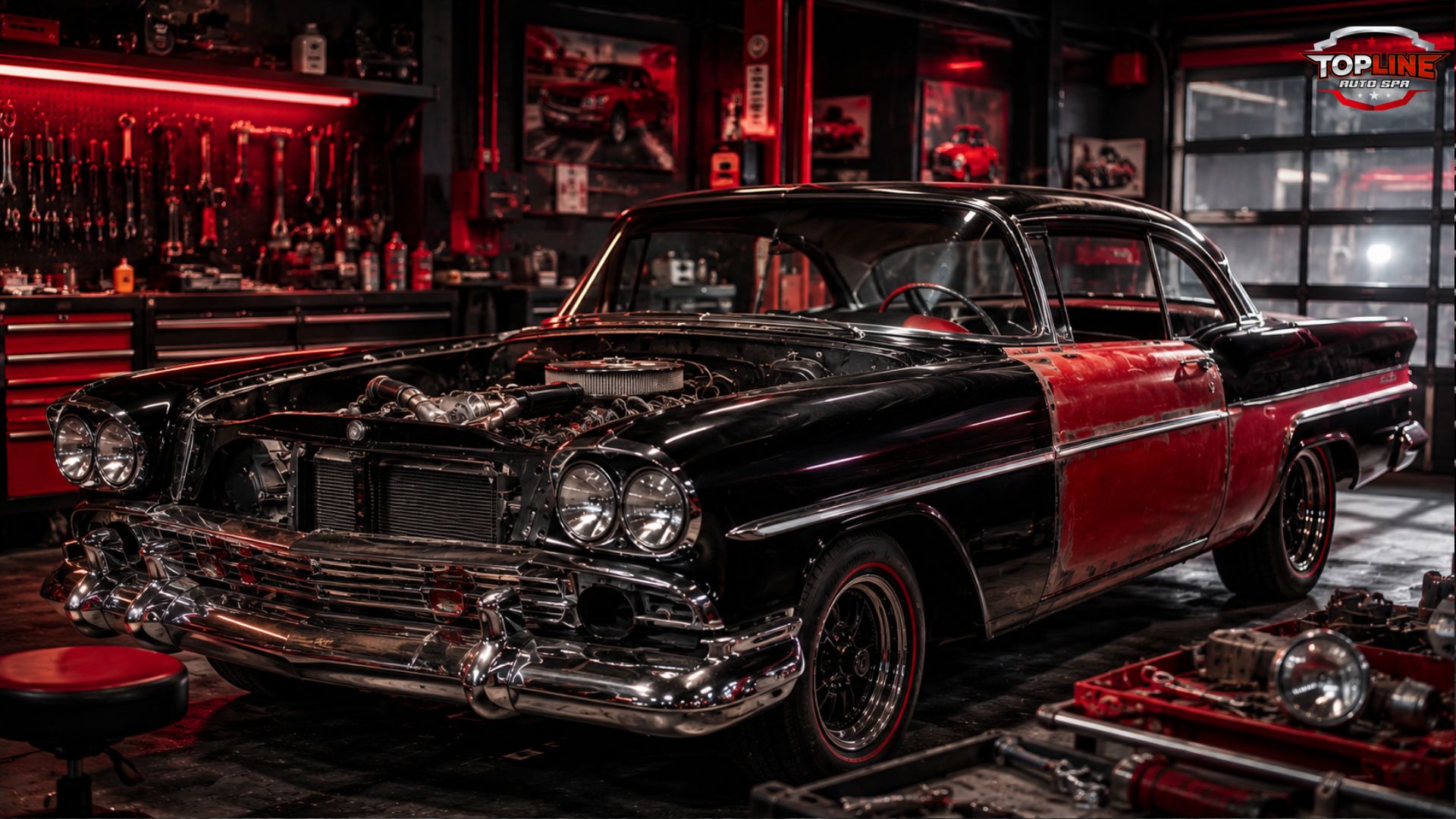
Restoring a vintage car is one of the most rewarding projects a car enthusiast can undertake. There’s something magical about taking a neglected, weathered classic vehicle and bringing it back to its former glory. Whether you own a 1960s muscle car, a 1950s convertible, a classic British sports car, or any other vintage vehicle, the restoration journey combines mechanical knowledge, artistic vision, patience, and dedication. The process transforms not just the vehicle itself, but often transforms the enthusiast undertaking the restoration.
Vintage car restoration isn’t simply about making an old car run—it’s about preserving automotive history while creating a vehicle you can drive and enjoy for years to come. Every vintage car has a story. Understanding that story and honoring it throughout the restoration process gives the project meaning beyond the mechanical and cosmetic work involved.
The challenge of vintage car restoration lies in its complexity. Unlike modern vehicles with standardized parts and clear documentation, vintage cars often require detective work to identify correct original specifications. Parts that were commonplace when the vehicle was manufactured might now be rare or extinct. Documentation might be incomplete or conflicting. Original specifications might have been modified over decades of previous ownership. Successfully navigating these challenges requires knowledge, patience, and the right approach.
This comprehensive guide walks you through every phase of vintage car restoration, from initial assessment through final detailing. Whether you’re considering your first restoration project or undertaking a significant restore, understanding the proper sequence of steps, avoiding common mistakes, and knowing when to seek professional help ensures your vintage car restoration succeeds. By following this structured approach, you’ll preserve your vehicle’s authenticity while creating a beautiful, functional classic that you’ll enjoy for decades.
Key Takeaways
- Vintage car restoration requires proper planning and assessment before beginning any work
- A successful restoration follows a logical sequence starting with mechanical systems and ending with cosmetic finishing
- Professional help for specialized tasks like engine rebuilding and frame restoration saves time, money, and ensures quality results
- Paint restoration is critical for vintage cars and should address underlying issues, not just cosmetic appearance
- Interior restoration requires balancing authenticity with modern comfort and safety considerations
- Budget planning is essential—vintage car restorations almost always cost more than initial estimates
- Sourcing correct original parts preserves authenticity and increases vehicle value
- Seasonal storage and maintenance during restoration prevents further deterioration
- Documentation throughout the restoration process adds value and provides satisfaction
- Professional detailing is the final step that showcases your restoration work and protects your investment
Understanding Vintage Car Restoration: More Than Just Fixing an Old Car
Vintage car restoration is fundamentally different from regular vehicle maintenance or repair. While maintenance keeps a vehicle running, and repair fixes broken components, restoration involves returning a vehicle to a previous condition—ideally as close as possible to its original factory specifications.
The definition of “vintage” varies, but most automotive enthusiasts consider vehicles manufactured before 1980 as classic or vintage. Some narrow the definition to pre-1970 vehicles, while others include vehicles up to 1990 or later. Regardless of where you draw the line, vintage vehicles share common characteristics: they’re old enough that finding parts becomes challenging, original documentation might be unavailable, and their value is often determined more by their condition and authenticity than by their mechanical specifications.
Restoration differs from customization. Customization involves modifying a vehicle to your personal preferences, potentially deviating from original specifications. Restoration seeks to return a vehicle to its original condition. While some restorations include modern improvements like upgraded electrical systems or improved braking, the goal remains honoring the original design and intent.
The scope of restoration also varies dramatically. A “frame-off” restoration involves completely disassembling the vehicle down to the frame, restoring every component, and reassembling everything. This comprehensive approach creates the most authentic and complete restorations but requires the most time, expertise, and investment. A “frame-on” restoration keeps the frame and major structural components intact while restoring mechanics and cosmetics. A “ground-up” restoration typically means frame-off, taking the project back to bare metal. A “light restoration” might involve mechanical work and cosmetic touch-ups without complete disassembly.
Understanding what level of restoration you’re attempting determines your timeline, budget, and required expertise. A light restoration of a vehicle in decent condition might take months and cost thousands. A complete frame-off restoration of a heavily damaged vehicle might take years and cost tens of thousands or more.
The Assessment Phase: Evaluating Your Vintage Car’s Condition
Before beginning any restoration work, thoroughly assessing your vintage car’s condition is absolutely essential. This assessment determines the scope of work, required expertise, realistic timeline, and honest budget.
Begin with a complete walk-around inspection, examining every visible surface and component. Open every door, window, and compartment. Look underneath the vehicle. Check the undercarriage for rust, structural damage, and mechanical condition. Inspect the engine compartment thoroughly, looking for corrosion, fluid leaks, and mechanical issues.
The body condition assessment is particularly important. Look for rust—surface rust, perforation rust, and structural rust indicate different levels of severity. Surface rust affects appearance but not structural integrity. Perforation rust creates actual holes in the metal, requiring welding repairs. Structural rust affects the frame and load-bearing components, requiring serious restoration work.
Check paint condition carefully. Faded, peeling, or cracked paint indicates exposure to sun and weather without protection. Multiple paint layers suggest previous repairs or repaints. Original paint, while valuable for authenticity and documentation, might require complete restoration to achieve good appearance.
Interior condition assessment evaluates seats, carpet, dashboard, door panels, and all upholstery. Deteriorated interior materials require professional restoration or replacement. Water damage indicates previous flooding or leaks that might affect mechanical components.
Mechanical assessment requires starting the engine if possible and evaluating how it runs. Listen for strange sounds. Check for leaks. If the engine won’t start, note whether fuel, spark, and compression are present—these determine whether the issue is simple or requires major engine work. Evaluate transmission, brakes, suspension, and all major systems.
Document everything with photos and detailed notes. This documentation establishes the starting point for your restoration and helps you track progress. It also helps you identify all work that needs completion.
Consider having a professional pre-purchase inspection performed if you’ve recently acquired the vehicle or if you’re uncertain about specific conditions. A professional inspection provides objective assessment and might identify hidden issues that casual inspection misses.
Planning Your Restoration: The Blueprint for Success
With assessment complete, detailed planning becomes your restoration blueprint. This planning phase, though sometimes overlooked by eager enthusiasts, is where successful restorations are actually built.
Establish clear restoration goals. What do you want the finished vehicle to be? Are you pursuing concours-level authenticity that judges evaluate? Are you creating a driver that prioritizes reliability and drivability? Are you achieving something in between? Your goals determine which decisions you make throughout the restoration.
Define your scope of work precisely. Will this be a complete frame-off restoration or a lighter approach? Which systems require complete restoration versus cosmetic touch-up? Which original components will you preserve, and where will you allow modern upgrades? Document these decisions clearly.
Research the original specifications of your specific vehicle. Consult factory documentation, service manuals, and model-year-specific information. Join enthusiast clubs for your vehicle’s make and model—these communities contain vast knowledge about correct specifications, sourcing parts, and restoration approaches. Documentation of original specifications is crucial for authenticity and value.
Source parts before beginning major disassembly. Knowing where you’ll get parts before you need them prevents discovering mid-restoration that critical components are unavailable. Some original parts might require months to source. Building your parts supply takes time but is far better than discovering shortages after you’ve disassembled the vehicle.
Establish a realistic timeline. Vintage car restorations take far longer than initial estimates. A part-time restoration might take 2-3 years. A full-time project might take 1-2 years. Frame-off restorations can take 3-5 years or longer. Building extra time into your timeline is wise—rushing vintage car work leads to mistakes and poor quality.
Create a detailed budget that includes everything. Parts, materials, tools, professional services, storage, insurance, and contingency funds should all be included. Most restorations exceed initial budgets by 20-50%. Building in contingency funds prevents financial stress when unexpected issues emerge.
Identify which work you’ll do yourself and which you’ll outsource. Realistic self-assessment prevents DIY disasters. Major mechanical work like engine rebuilding, transmission service, and frame welding require professional expertise unless you have specific skills. Cosmetic work, interior restoration, and mechanical adjustments are often appropriate for dedicated enthusiasts with time and moderate mechanical skill.
Mechanical Restoration: Getting Your Vintage Car Running Reliably
Mechanical restoration begins with getting your vintage vehicle’s engine, transmission, and all major systems functioning properly. This work often happens earlier in the process than cosmetic restoration because you need a running vehicle for testing during later stages.
Engine restoration ranges from simple tune-up and maintenance to complete engine rebuilding. A simple restoration might involve replacing spark plugs, cleaning carburetors, replacing hoses and belts, and adjusting timing. A complete restoration involves disassembling the engine, rebuilding worn components, replacing seals and gaskets, and reassembling everything to factory specifications.
Engine rebuilding is complex work best left to professional engine shops unless you have specific expertise. Professional rebuilders have the specialized equipment, expertise, and resources to ensure quality work. They can also address issues that DIY builders might miss. The investment in professional engine rebuilding is justified by the quality results and warranty protection.
Transmission service or rebuilding follows similar logic. If your transmission shifts poorly or slips, rebuilding is necessary. Professional transmission shops understand the intricacies of vintage transmissions and can address specific issues.
Cooling system restoration involves flushing old coolant, inspecting hoses and connections, and replacing worn components. Many vintage cars have been running with deteriorated cooling systems for years. Proper cooling system restoration prevents overheating in your restored vehicle.
Fuel system restoration is essential, particularly for vehicles that have sat unused for years. Old fuel gums up carburetors and fuel injectors. The fuel tank might be rusted internally. Professional fuel system restoration cleans or replaces tanks, fuel lines, and carburetors. This work prevents fuel system problems that plague vintage restorations.
Electrical system restoration addresses aging wiring, corroded connections, and failed components. Many vintage vehicles have experienced decades of electrical degradation. Professional electrical restoration rewires the vehicle using modern materials and techniques while maintaining original appearance.
Brake system restoration is critical for safety. Vintage brake systems using old materials and technology are inadequate by modern standards. Many restorations upgrade to modern brake components while maintaining original appearance. Disc brakes replacing old drum brakes significantly improve stopping power and safety.
Suspension restoration involves replacing worn components like bushings, bearings, and shocks. While suspension work is often manageable for dedicated DIYers, professional alignment after restoration ensures proper handling.
Testing each system as restoration progresses prevents discovering multiple problems simultaneously. Test the engine after rebuilding. Test transmission function during driving tests. Verify brake operation before extended driving. This incremental testing catches issues early while they’re still manageable.
Body and Frame Restoration: Addressing Structural Integrity
Body and frame restoration represents some of the most critical work in vintage car restoration. This work determines the vehicle’s structural integrity and long-term durability.
Rust assessment must be thorough. Surface rust requires grinding and repainting. Perforation rust requires welding new metal into place. Structural rust affecting frame rails, door posts, or floor pans requires professional welding expertise. Attempting major welding without proper skills creates unsafe vehicles and poor cosmetics.
Professional body shops specializing in vintage cars have the expertise, equipment, and access to materials necessary for quality body restoration. If your vehicle has significant rust or structural damage, professional help is justified investment.
Panel replacement versus repair requires careful consideration. Original panels have collector value. Repairing original panels preserves authenticity. But sometimes panels are so damaged that repair is impractical or impossible. Sourcing matching original replacement panels can be challenging but maintains authenticity. Reproduction panels are readily available but affect originality.
Gap alignment after body work is critical for proper fit and appearance. Professional body shops have the expertise to ensure panel gaps match factory specifications. Poor gap alignment indicates amateur bodywork and significantly affects the vehicle’s appearance.
Paint preparation is where quality restorations are built or ruined. Rushing paint preparation results in poor paint finish that looks amateurish. Complete surface preparation involves stripping old paint, repairing damage, filling imperfections, sanding, and priming. This work is time-consuming, dusty, and unglamorous—but it’s absolutely essential for professional results.
Paint Restoration: More Than Just Cosmetics
Paint restoration for vintage cars involves decisions beyond simply applying new paint. The approach you take affects the vehicle’s authenticity, appearance, and long-term protection.
Original paint, if still present and in decent condition, has significant value. Factory-original paint is increasingly rare and valuable to collectors. Preserving original paint through careful restoration, even if imperfect, maintains the vehicle’s authenticity and value. Light cosmetic restoration of original paint might involve polishing, minor touch-up, and protective coating without complete repainting.
Complete paint restoration involves removing old paint, preparing bare metal properly, and applying new finish. This work should address underlying issues—rust treatment, metal repair, and proper primer application—before cosmetic paint layers are applied.
Color selection matters for authenticity. Original colors are documented in factory records for many vehicles. Researching and using correct original colors maintains authenticity. However, some vintage cars were available in numerous colors, and modern reproduction colors often look better than original colors would on today’s paint systems.
Paint system selection—single stage, base/clear coat, or specialty finishes—affects appearance and durability. Single-stage paint is simpler but offers less protection. Base/clear coat provides better protection and depth. Modern paint technology allows finishes superior to original factory paint while maintaining appropriate appearance.
Professional painters, particularly those experienced in vintage car restoration, understand the nuances of color matching, paint depth, and finish quality. Professional paint work is visible from across a parking lot and significantly impacts the vehicle’s overall appearance and value. The investment in professional painting is justified by the quality results.
Paint protection through ceramic coating preserves your restoration work. After all the effort and investment in paint restoration, protecting that investment through coating makes sense. Ceramic coating creates a hydrophobic surface that resists contamination, UV damage, and environmental deterioration. This protection keeps your restored paint looking beautiful for years.
Interior Restoration: Creating Comfort and Authenticity
Interior restoration involves upholstery, carpet, dashboard, steering wheel, and all interior components. The approach you take depends on your authenticity goals and comfort priorities.
Seat restoration or replacement is often the most visible interior work. Original upholstery, if preserved, has collector value. Professional upholstery restoration involves removing old material, rebuilding frames and padding as necessary, and recovering with appropriate material. Matching original upholstery patterns and materials preserves authenticity.
Reproduction upholstery materials are available for most popular vintage cars. These materials replicate original appearances while providing modern durability and comfort. Some restorations use original material replicas for authenticity, while others upgrade to modern materials for comfort and durability.
Carpet restoration typically involves complete replacement. Original carpet rarely survives decades of use in acceptable condition. Reproduction carpets matching original patterns are available for many vehicles. Professional carpet installation ensures proper fit and appearance.
Dashboard restoration addresses condition and functionality. Cracked or faded dashboards require restoration. Options include refinishing existing dashboards, repairing damage, or replacing with reproduction pieces. Modern dash pads with improved durability are available for many vehicles but affect originality.
Interior trim restoration involves door panels, window trim, and all interior surfaces. Faded, cracked, or damaged trim requires restoration. Options include refinishing existing pieces or sourcing reproductions. Professional interior restoration shops have expertise in matching original materials and finishes.
Steering wheel restoration preserves original wheels or replaces with appropriate reproductions. Wood-rimmed wheels, leather-wrapped wheels, and various factory styles should be matched to your vehicle’s original specifications. Skilled restoration brings worn wheels back to original appearance.
Interior lighting restoration involves replacing aged bulbs, repairing sockets, and ensuring all interior lights function. This work is often overlooked but significantly affects how the interior is perceived. Proper interior lighting makes the difference between an amateur and professional restoration.
Sound system decisions balance authenticity with modern convenience. Original radios were minimal by modern standards. Some restorations preserve original radios for authenticity. Others upgrade to modern systems hidden discretely within original-appearing housings. Your decision depends on your priorities.
Climate control restoration addresses original systems or modern upgrades. Original ventilation systems were crude by modern standards. Many restorations upgrade to modern air conditioning while maintaining original appearance. These upgrades significantly improve driveability and comfort.
Documentation: Creating Your Restoration Record
Throughout your restoration process, meticulous documentation creates value, satisfaction, and a record that helps preserve your vehicle’s story.
Photograph every phase of the restoration. Before photos establish the starting point. Progress photos document work completed. Final photos showcase the finished restoration. Professional photography of the completed vehicle creates lasting memories and valuable marketing if you ever sell.
Maintain detailed records of all work performed. Document what was done, who did it, when it was completed, and what parts or materials were used. These records help you remember decisions and provide future owners with information about your restoration work.
Keep receipts and documentation for all parts purchased and professional services used. This documentation proves originality of replacement parts and services performed. Serious vintage car collectors review this documentation when evaluating vehicles.
Video documentation captures the restoration journey in ways photographs can’t. Time-lapse videos of major work, video documentation of systems being tested, and narrated tours create a compelling record of your restoration project.
Document original specifications including color, upholstery, engine details, and all factory equipment. This documentation ensures your restoration accurately reflects the original vehicle. Original factory paperwork, if available, is invaluable for this documentation.
Create a restoration binder documenting everything. Include original specifications, work performed, parts sourced, professional services used, photographs, and receipts. This binder becomes a valuable reference document and significantly increases your vehicle’s value.
Interior Storage and Protection During Restoration
During your restoration, proper storage and protection prevent additional deterioration while work is ongoing.
Garaged storage protects your vehicle from weather, UV exposure, and additional environmental damage while you’re working on restoration. If garaged storage isn’t available, quality car covers protect from sun, rain, and temperature swings.
Climate control during storage is beneficial if available. Temperature and humidity extremes accelerate rust and material degradation. Stable climate conditions preserve your vehicle during the restoration period.
Battery maintenance prevents further electrical degradation if your vehicle will sit for extended periods. Disconnect the battery to prevent parasitic drain. Modern trickle chargers maintain charge if the battery remains connected.
Fluid checks and changes prevent degradation of stored systems. Old oil should be drained before extended storage. Fresh oil prevents rust inside the engine. Fuel system should be treated or drained to prevent gumming.
Tire pressure monitoring prevents flat spots if the vehicle will sit for extended periods. Modern vehicles with airbags can be set on jack stands to prevent tire damage, but traditional vehicles with suspension should remain on tires.
Mothballing procedures protect vehicles during long-term storage. These procedures prevent rust, fuel degradation, and other issues that develop during extended downtime.
Common Restoration Mistakes: Learning from Others’ Experiences
Understanding common mistakes helps you avoid them in your restoration project.
Inadequate planning before starting work often leads to cost overruns and project delays. Thorough planning upfront prevents most problems that develop mid-project.
Rushing through paint preparation results in poor paint finish. The temptation to skip preparation and get to painting is strong but leads to disappointing results. Professional results require thorough preparation.
Ignoring underlying issues creates problems later. Addressing only visible problems while ignoring rust, mechanical issues, or deterioration guarantees those ignored problems will emerge after restoration is complete.
Using incorrect parts reduces authenticity and resale value. Taking time to source correct original or appropriate reproduction parts preserves authenticity and value.
Attempting professional work without proper skills and tools often produces poor results requiring professional correction later. Knowing when to outsource work prevents costly mistakes.
Poor documentation makes future maintenance and sales more difficult. Maintaining detailed records throughout restoration adds significant value.
Incorrect color or upholstery choices reduce authenticity. Researching original specifications before making these decisions preserves authenticity.
Professional Detailing: The Final Touch That Showcases Your Work
After months or years of restoration work, professional detailing creates the final impression and protects your investment.
Paint correction addresses any imperfections in newly restored paint. Minor scratches, swirls, or imperfections are corrected through professional paint correction. Ceramic coating then protects the corrected paint from future damage.
Interior detailing reveals the interior restoration work you’ve completed. Professional interior detailing cleans, conditions, and protects interior materials. Leather conditioning, upholstery cleaning, and protective treatments preserve the interior investment.
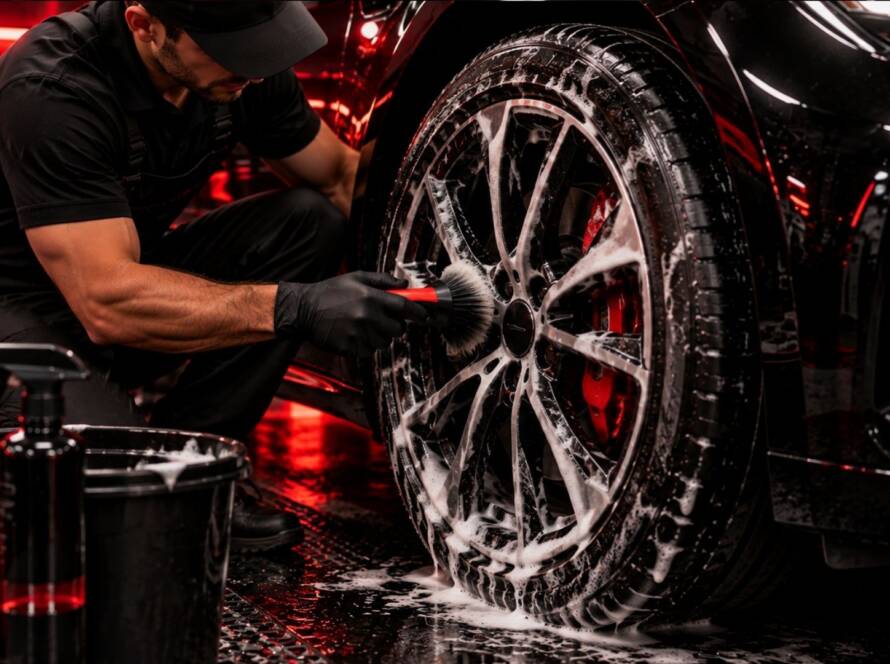
Exterior detailing focuses on wheels, trim, and all non-painted surfaces. Polished chrome, clean wheel wells, and detailed trim showcases the complete restoration.
Engine detailing cleans the engine compartment, revealing mechanical work and restoration. A detailed engine compartment showcases the quality of mechanical restoration.
Complete vehicle detailing, performed by professionals experienced in vintage car restoration, creates a showroom appearance that reflects the time and investment you’ve made. The satisfaction of seeing your restoration complete and gleaming justifies the final detailing investment.
The Rewards of Vintage Car Restoration: Why Enthusiasts Undertake This Journey
Vintage car restoration is not easy. It requires significant time, financial investment, mechanical knowledge, patience, and dedication. Yet enthusiasts continue pursuing these projects because the rewards are substantial.
Owning and driving a vehicle you’ve personally restored creates deep satisfaction. That vintage car represents not just transportation but a physical manifestation of your effort, learning, and dedication. Driving a car you’ve restored connects you to automotive history in ways merely owning a classic car doesn’t.
Vintage car restoration connects you with communities of like-minded enthusiasts. Clubs, forums, and gatherings bring together people passionate about preserving automotive history. Friendships formed through restoration projects often last lifetimes.
Restoring a vintage car teaches mechanical skills and problem-solving that transfer to other areas of life. The patience, attention to detail, and perseverance required for restoration develop character and competence.
Completed vintage car restorations increase in value. While the financial return rarely matches the invested dollars and time, vehicles with documented quality restorations maintain and often increase in value over years of ownership.
Preserving automotive history gives vintage car restoration purpose beyond personal satisfaction. Every restored classic car represents a piece of history preserved for future generations.
Conclusion: Beginning Your Vintage Car Restoration Journey
How to restore a vintage car is a question without a single answer—the approach varies based on your vehicle’s condition, your goals, your skills, your timeline, and your budget. But the principles of successful restoration remain consistent: careful assessment, thorough planning, proper sequencing of work, knowing when to outsource, documenting progress, and protecting your investment throughout the process.
Vintage car restoration is neither quick nor inexpensive, but it’s profoundly rewarding. The journey from neglected classic to showroom beauty transforms both the vehicle and the enthusiast undertaking the project. Every decision you make, every hour you invest, and every dollar you spend becomes part of your vehicle’s story.
For Lehigh Valley residents beginning vintage car restoration projects, understanding how environmental factors like road salt and UV exposure affect classic vehicles helps you prioritize protection work. Planning for these regional challenges—through proper paint restoration, protective coatings, and regular maintenance—ensures your restored vintage car maintains its beauty and value in our challenging climate.
Whether your restored vintage car becomes a concours-level show piece, a reliable driver enjoyed for weekend adventures, or something between, the restoration process itself provides the greatest reward. The knowledge gained, skills developed, and satisfaction of driving a vehicle you’ve restored from neglect to excellence makes vintage car restoration one of the most fulfilling projects you can undertake.
Start with honest assessment, plan thoroughly, sequence your work properly, invest in professional help where appropriate, document everything, and protect your restoration investment through proper detailing and maintenance. Follow these principles, stay committed through the inevitable challenges, and you’ll complete a vintage car restoration that brings joy for decades to come.
Frequently Asked Questions
1. How long does a typical vintage car restoration take?
A light restoration takes 6-12 months. A moderate frame-on restoration takes 1-2 years. A complete frame-off restoration takes 2-5 years or longer. Timeline depends on scope of work, available time, and whether work is part-time or full-time. Most restorations take longer than initial estimates.
2. How much does a vintage car restoration cost?
Costs vary dramatically based on vehicle condition and restoration scope. Light restorations cost $5,000-$15,000. Moderate restorations cost $15,000-$50,000. Complete frame-off restorations cost $50,000-$150,000+. Budget estimates should include 20-50% contingency for unexpected issues.
3. Should I restore a vehicle myself or hire professionals?
Do-it-yourself work on cosmetics, interior, and basic maintenance is appropriate for dedicated enthusiasts. Professional services for engine rebuilding, transmission work, welding, and painting produce superior results. Most successful restorations combine DIY work with professional services for specialized tasks.
4. Where do I find parts for vintage cars?
Original parts come from salvage yards, online marketplaces, and enthusiast networks. Reproduction parts are available from specialty suppliers and clubs. Sourcing takes time—start searching before beginning major disassembly. Enthusiast clubs for your vehicle’s make and model help identify parts sources.
5. How do I determine correct original specifications for my vintage car?
Factory documentation, service manuals, and model-year-specific information provide original specifications. Enthusiast clubs for your vehicle’s make and model contain vast knowledge. VIN decoding services identify original engine, transmission, and option codes. Original dealer paperwork is invaluable if available.
6. Is it better to preserve original paint or restore with new paint?
Original factory paint has significant collector value and represents authenticity. Preserve original paint if condition allows. Complete restoration with new paint is appropriate if original paint is damaged beyond preservation. Your decision depends on restoration goals and vehicle condition.
7. Should I upgrade mechanical systems during restoration?
Originality purists avoid upgrades, preferring factory specifications throughout. Practical enthusiasts upgrade safety-critical systems like brakes while maintaining original appearance. Most restorations represent a balance between originality and modern reliability.
8. What if I discover problems mid-restoration that weren’t apparent during initial assessment?
Discovered problems during restoration are common. Building 20-50% contingency into your budget accommodates unexpected issues. Document what you discover and adjust your restoration plan accordingly. Flexibility helps you manage unexpected challenges.
9. How do I protect my restored vintage car after completion?
Professional detailing showcases completed restoration. Ceramic coating protects paint from environmental damage. Regular maintenance prevents new deterioration. Garaged storage protects from weather and UV exposure. Regular professional detailing maintains appearance and protection.
10. Will I get my money back if I sell my restored vintage car?
Completed restorations rarely return every dollar invested, but quality restorations maintain and often increase in value. The financial return depends on market demand for your specific vehicle, restoration quality, and condition. The primary reward is personal satisfaction and enjoyment during ownership rather than financial return.