
Electric vehicles represent the future of automotive technology, and they deserve specialized care that goes beyond traditional vehicle detailing. While many EV owners understand the unique maintenance requirements of their powertrains and battery systems, the care of their vehicle’s exterior paint and interior surfaces is often overlooked or treated with the same approach used for gas-powered cars. This is a missed opportunity, because electric vehicles have specific detailing needs that differ significantly from conventional vehicles.
EV detailing isn’t just about keeping your electric vehicle clean and shiny, though those benefits certainly matter. Proper detailing protects your vehicle’s paint from environmental damage, maintains interior materials in excellent condition, and ultimately preserves your investment. Electric vehicles often represent a significant financial commitment, and many EV owners take pride in their vehicles as symbols of their commitment to sustainable transportation. The detailing approach you choose should reflect that investment and commitment.
The unique characteristics of electric vehicles—from their often-premium paint finishes to their sophisticated interior technologies—require detailing approaches tailored specifically to EV ownership. Whether you own a Tesla, Chevrolet Bolt, Nissan Leaf, or any other electric vehicle, understanding how to properly care for your vehicle’s exterior and interior surfaces ensures your EV remains beautiful, protected, and valuable for years to come.
This comprehensive guide explores everything EV owners need to know about detailing their electric vehicles. From understanding the specific challenges electric vehicles face to exploring the best protection methods, you’ll learn how to maintain your EV in pristine condition while protecting your investment against environmental damage, UV degradation, and interior wear.
Key Takeaways
- Electric vehicles require specialized detailing approaches that account for their unique paint finishes and interior materials
- EV detailing protects premium paint from UV damage, oxidation, and environmental contaminants that are particularly harmful to electric vehicles
- Interior protection for electric vehicles is especially important because many EVs feature premium materials and sophisticated technology displays
- Regular professional detailing extends the lifespan of your EV’s paint and interior while maintaining its appearance and value
- Paint protection for electric vehicles should include ceramic coating or paint protection film for maximum durability and damage prevention
- Electric vehicle owners in Lehigh Valley face specific environmental challenges including road salt and hard water that accelerate paint degradation
- Detailing electric vehicles requires careful attention to avoid damaging charging ports, sensors, and electronic components
- Professional EV detailing is more cost-effective than dealing with permanent paint damage or interior deterioration
- Ceramic coatings specifically designed for electric vehicles provide superior protection compared to traditional wax or sealants
- Proper EV detailing maintenance preserves resale value and keeps your electric vehicle looking new for longer
Understanding EV Detailing: Why Electric Vehicles Need Specialized Care
EV detailing represents a specialized approach to vehicle maintenance that recognizes the unique characteristics and challenges of electric vehicle ownership. While the fundamental purpose of detailing—protecting and maintaining your vehicle’s appearance—remains the same for both electric and gas-powered vehicles, the specific challenges and solutions differ in important ways.
Electric vehicles often feature premium paint finishes that are more sensitive to environmental damage than standard automotive paints. Many EV manufacturers use multi-layer clear coat systems designed for durability and gloss, but these sophisticated finishes require appropriate protection methods. Aggressive detailing techniques that work fine on conventional vehicles can actually damage these premium EV finishes.
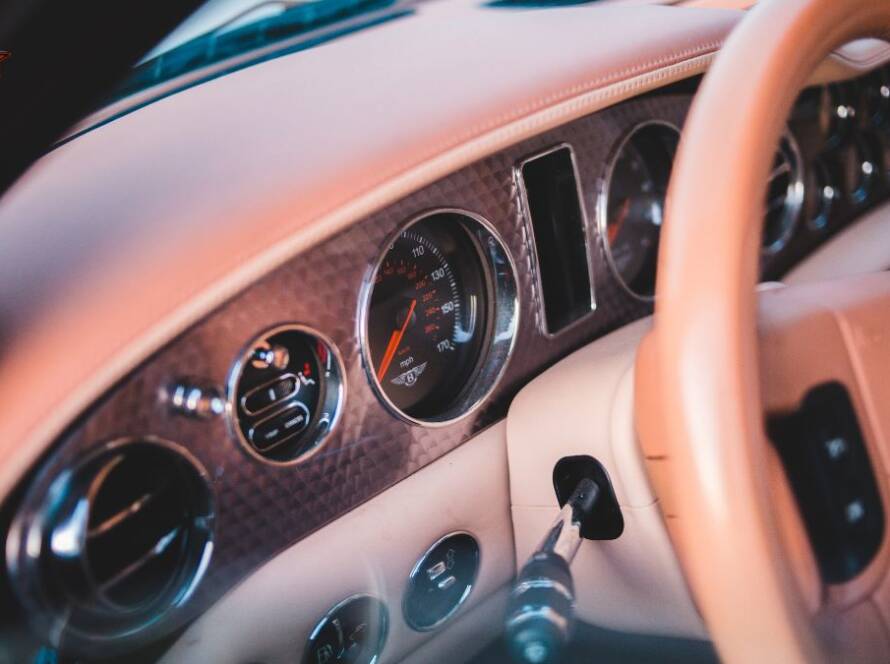
The interior environments of electric vehicles also differ from traditional cars. Many modern EVs feature advanced technology displays, premium upholstery materials, and sophisticated climate control systems. These interior components require detailing approaches that protect the technology while maintaining the comfort and appearance of premium materials.
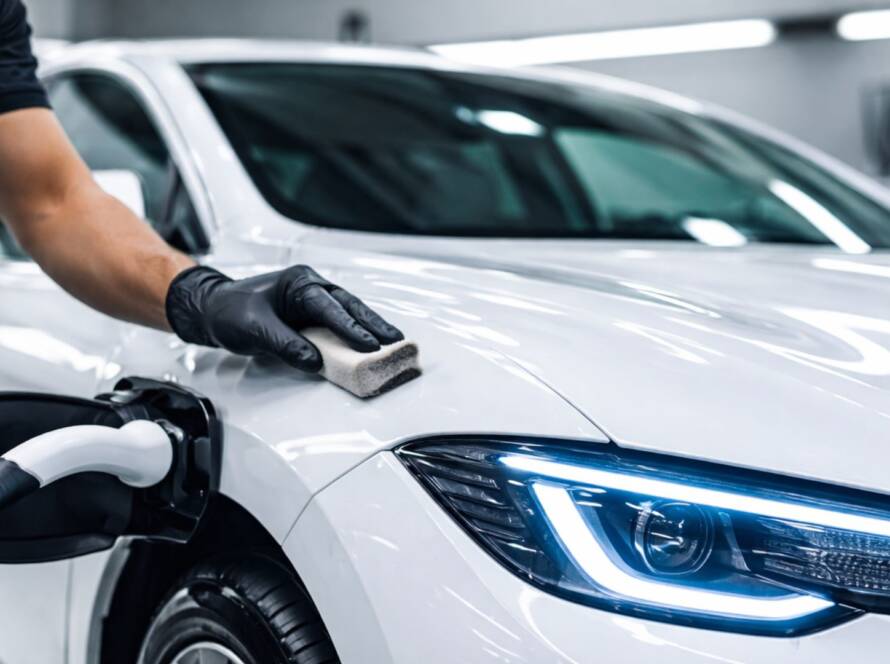
Beyond these surface-level differences, electric vehicles present unique challenges related to their charging infrastructure. Detailing an EV requires careful attention to charging ports and related electrical components to ensure water, cleaning products, and detailing materials don’t damage these critical systems.
EV detailing also addresses specific environmental factors that affect electric vehicles more significantly than conventional vehicles. The silent operation of electric motors means many EV owners spend more time noticing their vehicle’s appearance and condition. The commitment to sustainable transportation reflected in EV ownership often translates into a commitment to maintaining vehicles in excellent condition for their entire lifespan.
Exterior Paint Protection for Electric Vehicles: The Foundation of EV Detailing
The exterior paint of your electric vehicle is its first line of defense against environmental damage. Protecting this paint is the foundation of comprehensive EV detailing, and the approach you choose significantly impacts how well your vehicle’s finish holds up over years of ownership.
Electric vehicles, like all vehicles, face paint challenges from multiple environmental sources. Ultraviolet radiation from the sun fades and degrades clear coat over time. Road salt in areas like Lehigh Valley corrodes paint and clear coat. Hard water spots create mineral deposits that eventually damage paint. Bird droppings and tree sap contain acidic compounds that etch clear coat. Industrial fallout and brake dust bond to paint and cause oxidation.
These environmental challenges exist for all vehicles, but EV owners often notice paint condition more acutely because they’ve invested in vehicles that represent their environmental values. A faded, oxidized, or damaged paint finish on an electric vehicle feels like a betrayal of the commitment that made the EV purchase worthwhile.
Professional detailing begins with thorough exterior cleaning and decontamination. This process removes all environmental contaminants that have bonded to your paint—things that regular car washing can’t remove. Clay bar decontamination is the standard first step, carefully removing embedded contaminants without damaging your clear coat.
After proper cleaning and decontamination, paint protection becomes the priority. Paint protection film creates a physical barrier protecting vulnerable areas of your EV’s exterior from damage. The hood, fenders, front bumper, side mirrors, and door handles are most exposed to flying debris and environmental damage. Applying paint protection film to these areas prevents permanent damage while remaining invisible to observers.
For comprehensive paint protection, ceramic coating provides ongoing protection after your vehicle is properly prepared. Ceramic coating creates a hydrophobic surface that repels water, reduces contaminant bonding, and provides UV protection. This protection lasts far longer than traditional wax and requires less frequent maintenance, making it ideal for EV owners who want reliable, long-lasting protection.
Interior Detailing for Electric Vehicles: Protecting Premium Materials
While exterior paint protection is important, the interior of your electric vehicle is where you and your passengers spend your time, and many modern EVs feature premium interior materials that deserve careful protection and maintenance.
Electric vehicles often feature leather or synthetic leather seating, sophisticated dashboard displays, panoramic glass roofs, and premium trim materials. These interior elements can deteriorate without proper care. Leather requires conditioning to prevent cracking and fading. Dashboard materials need protection from UV damage that fades colors and causes brittleness. Fabric seats and carpeting trap dirt and contaminants that can cause permanent staining.
Professional interior detailing for electric vehicles begins with thorough vacuuming to remove all loose dirt and debris from seats, carpeting, and interior crevices. This careful cleaning prevents dirt from being ground into fabrics during further cleaning.
Leather conditioning is essential for vehicles with leather seating. Leather without proper conditioning dries out, cracks, and deteriorates. Quality leather conditioners penetrate the leather, maintaining its suppleness and appearance while providing protection against fading and wear.
For fabric seats and carpeting, professional steam cleaning removes deep-set dirt and stains that regular vacuuming misses. The combination of heat and moisture effectively lifts contaminants without damaging delicate fabrics.
Dashboard protection involves using appropriate products that clean and protect these visible surfaces without leaving residue or affecting touch controls. Premium interior detail services use products specifically formulated for modern vehicle dashboards and displays.
Glass protection for panoramic roofs and windows involves proper cleaning followed by hydrophobic coating that repels water and reduces spotting. For electric vehicles with large glass surfaces, this protection maintains visibility and appearance over years of ownership.
Professional Detailing Services for Electric Vehicles
Professional detailing represents an investment in your electric vehicle’s long-term condition and value. When you engage professional detailing services, you’re accessing specialized knowledge, equipment, and products designed specifically for effective vehicle care.
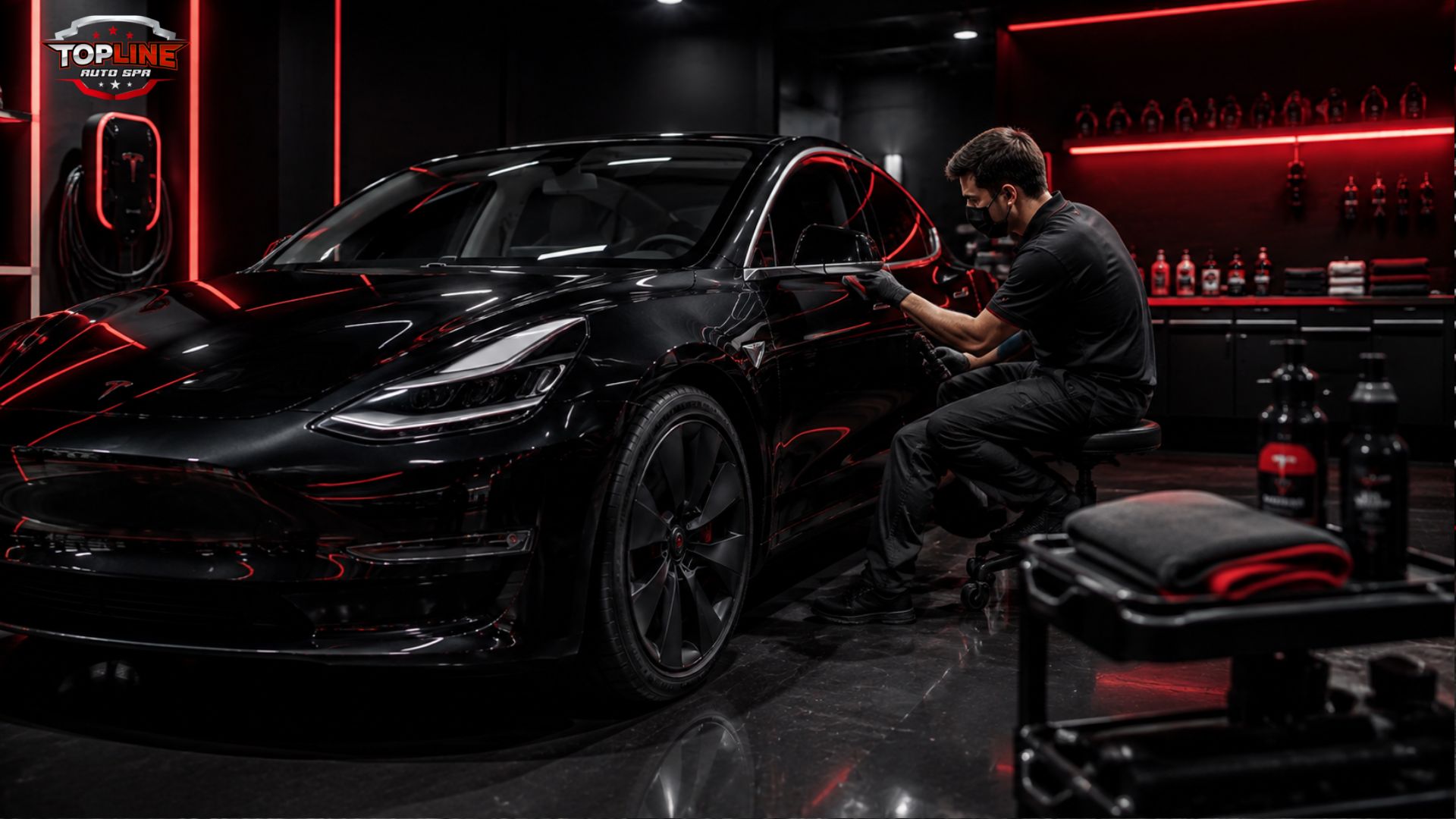
Professional detailers understand the unique requirements of electric vehicles. They know which cleaning products are safe for EV paint finishes and which should be avoided. They understand how to work around charging ports and electronic components. They have equipment that allows them to properly protect and maintain premium interior materials without causing damage.
The first step of professional EV detailing is assessment. A professional detailer examines your vehicle’s current condition, evaluates any existing damage, and discusses your goals and concerns. This assessment determines which specific services will provide maximum benefit for your particular vehicle.
Exterior professional detailing typically includes multi-stage paint correction if needed. Paint correction addresses minor scratches, swirl marks, and oxidation that regular washing can’t fix. This restoration of your paint’s clarity and depth makes a dramatic difference in how your EV looks and how well it’s protected going forward.
After paint correction, professional detailing applies protective treatments. This might include ceramic coating for long-term protection, paint protection film for high-risk areas, or both for maximum defense. A good professional detailing service will recommend the protection approach that best matches your vehicle’s needs and your usage patterns.
Professional interior detailing combines deep cleaning with protection. Professional-grade products and equipment clean more effectively than consumer products while protecting delicate materials. After cleaning, protective treatments condition leather, protect upholstery, and maintain interior surfaces in excellent condition.
Regular professional detailing—whether quarterly, semi-annually, or annually depending on your usage and environmental exposure—keeps your electric vehicle in excellent condition. Many EV owners find that regular professional detailing costs far less over time than dealing with permanent damage from neglected maintenance.
The Role of Ceramic Coating in EV Detailing
Ceramic coating has become increasingly important in EV detailing strategies, and for good reason. This advanced protection method offers benefits that are particularly valuable for electric vehicle owners.
Ceramic coating creates a chemical bond with your vehicle’s clear coat, forming a hydrophobic surface that actively repels water and resists contaminant bonding. Unlike traditional wax that sits on top of paint and gradually washes away, ceramic coating becomes part of your paint system and lasts significantly longer.
For electric vehicles specifically, ceramic coating offers several advantages. The hydrophobic surface makes water bead and roll away from your paint rather than sheeting across it and causing spotting. In areas like Lehigh Valley with hard water, this characteristic dramatically reduces water spotting and mineral deposit formation.
The UV protection provided by ceramic coating protects your EV’s paint from the sun’s damaging rays. This is particularly important for electric vehicles, which owners often keep for longer periods because of their lower operating costs. Paint that remains properly protected throughout years of ownership maintains its appearance and value far better than paint that gradually fades and oxidizes.
Ceramic coating reduces how aggressively environmental contaminants bond to your paint. Bird droppings, tree sap, and road chemicals remain on top of the ceramic coating rather than directly attacking your clear coat. This means you can address contaminants before they cause permanent damage.
The maintenance requirements for ceramic coated paint are significantly lower than for unprotected paint. You can extend the time between professional detailing services because the coating handles much of the protection work. For busy EV owners, this reduced maintenance requirement is valuable.
To explore how ceramic coating specifically benefits electric vehicles and whether it’s the right choice for your EV, check out our detailed guide on whether ceramic coating works on electric vehicles for comprehensive information about ceramic protection on EVs.
Paint Protection Film: Strategic Defense for High-Risk Areas
While ceramic coating provides overall protection, paint protection film (PPF) adds an extra layer of defense for areas most likely to suffer damage. Strategic application of paint protection film complements ceramic coating, creating a comprehensive protection system for your electric vehicle.
Paint protection film is a clear, self-healing thermoplastic film applied to vulnerable areas of your vehicle’s exterior. When applied to your EV’s hood, front fenders, front bumper, side mirrors, and door handles, PPF creates a sacrificial barrier. Minor scratches, rock chips, and abrasions damage the film instead of your paint.
The self-healing property of modern paint protection film is particularly valuable. Minor scratches in the film disappear when exposed to heat from the sun or warm water. This means your vehicle maintains its pristine appearance even as the film actively protects your paint beneath.
The most vulnerable areas of electric vehicles for paint damage are those same areas on conventional vehicles—the hood and fenders that catch flying debris from road traffic, the front bumper that faces rock chips, and the side mirrors that risk damage from other traffic. Protecting these areas prevents expensive paint correction or repainting later.
For electric vehicle owners who plan long-term ownership and want maximum paint preservation, combining paint protection film on high-risk areas with ceramic coating on entire paint provides comprehensive protection. This layered approach ensures your EV’s paint remains in excellent condition regardless of environmental exposure.
Professional installation of paint protection film is essential. Improper installation can result in visible seams, air bubbles, or premature failure. Professional installers have the equipment and expertise to ensure perfect application that provides maximum protection while remaining invisible to casual observers.
EV Detailing in Lehigh Valley: Regional Considerations
Lehigh Valley residents face specific environmental challenges that make EV detailing particularly important. Understanding these regional factors helps you appreciate why proper detailing is essential for electric vehicles in our area.
Road salt applied during winter months is the primary challenge for vehicles in Lehigh Valley. While all vehicles face salt damage, electric vehicles sometimes seem more vulnerable because owners often keep them longer and notice any degradation more acutely. Salt spray coats your EV’s exterior and corrodes paint and clear coat. It also damages trim, undercarriage components, and can affect electrical systems if salt-laden water enters vulnerable areas.
Hard water from many Lehigh Valley water sources leaves mineral deposits on vehicles after washing. These deposits create spotting and eventually damage clear coat if left untreated. Regular detailing with quality products prevents mineral buildup before it causes permanent damage.
Industrial pollution from manufacturing facilities in our region deposits contaminants on vehicles. These pollutants bond to paint and accelerate oxidation and damage. Professional detailing removes these contaminants before they cause lasting harm.
Temperature swings between summer heat and winter cold stress your EV’s paint and protective coatings. The expansion and contraction from extreme temperature changes can cause issues with unprotected paint. Ceramic coating and paint protection film help your EV’s finish withstand these thermal stresses.
Spring and early summer pollen and tree sap are particularly problematic in Lehigh Valley. Pollen clogs vehicle surfaces and can scratch clear coat if not carefully removed. Tree sap contains acidic compounds that etch clear coat. Prompt removal of these contaminants through regular detailing prevents permanent damage.
For Lehigh Valley EV owners, regular professional detailing—especially before winter to prepare for road salt exposure and in spring after winter damage—helps maintain your vehicle’s appearance and protection throughout the year.
Interior Climate Control and Detailing: EV-Specific Considerations
Electric vehicles often feature sophisticated climate control systems, including features like cabin air filtration and specialized heating/cooling technology. Proper interior detailing for electric vehicles requires understanding how to maintain these systems.
Many modern EVs include high-efficiency particulate air (HEPA) filters in their cabin air filtration systems. These filters require periodic inspection and replacement to maintain healthy interior air quality. During professional detailing, these filters should be checked as part of comprehensive interior care.
Interior surfaces that interface with technology—particularly large touchscreen displays—require careful cleaning with products that won’t damage sensitive electronics. Professional interior detailers use products specifically formulated for modern vehicle interiors with multiple electronic displays.
Leather and other premium interior materials in electric vehicles often include technology features like heated seats. Cleaning these materials requires care to avoid damaging heating elements or electronic controls. Professional detailers understand how to safely clean premium materials while protecting integrated technology.
Climate control effectiveness depends partly on maintaining clean interior air and surfaces. Dust and debris that accumulate reduce climate control efficiency and create uncomfortable cabin conditions. Regular professional detailing maintains interior cleanliness and supports optimal climate control operation.
Preventing Common EV Paint Problems: Proactive Detailing
While reactive detailing addresses existing damage, proactive detailing prevents problems before they develop. For electric vehicle owners, understanding common paint problems and taking steps to prevent them is more cost-effective than dealing with damage after it occurs.
Clear coat degradation is one of the most common paint problems affecting EVs. The clear coat protects your paint’s color and gloss while providing UV protection. Without proper care, clear coat gradually oxidizes and becomes dull. Ceramic coating prevents this oxidation by forming a protective barrier that weathers environmental exposure instead of your clear coat.
Water spotting and mineral deposits are particularly common in Lehigh Valley. Hard water minerals bond to clear coat and create visible spots. Regular professional detailing removes these deposits before they etch into your clear coat permanently. Ceramic coating’s hydrophobic surface prevents minerals from bonding as aggressively, reducing spotting significantly.
Paint swirl marks and fine scratches develop from improper washing techniques and environmental exposure. Professional detailing removes these defects through paint correction, then protects paint from future swirl mark development through ceramic coating or protective film.
Salt damage accelerates in winter months. Proactive winter preparation—including thorough cleaning to remove existing salt deposits and application of protective coatings—prevents salt from attacking your paint during months of heavy exposure.
UV fading occurs gradually but significantly over years of sun exposure. Regular professional detailing combined with ceramic coating prevents the fading that causes some electric vehicles to look dull and tired after just a few years of ownership.
Detailing Frequency: How Often Should You Detail Your EV?
The appropriate detailing frequency for your electric vehicle depends on your vehicle’s usage, your environment, and your goals for your EV’s appearance and long-term condition.
For electric vehicles in Lehigh Valley, quarterly professional detailing is ideal for optimal protection and maintenance. This frequency ensures your vehicle is cleaned and protected before environmental damage can develop. Quarterly detailing during winter months specifically prepares your EV to resist road salt exposure and maintains protection throughout the harsh season.
Semi-annual detailing is appropriate for owners who want good maintenance without the highest level of investment. This approach provides adequate protection for most EV owners, though it might not catch all emerging issues before they become problematic.
Annual detailing is the minimum frequency most professionals recommend for long-term paint protection. This approach works for owners with lower environmental exposure or those willing to accept some paint degradation over years of ownership.
Between professional detailing services, regular washing with quality products maintains your EV’s appearance and removes contaminants before they bond to paint. Hand washing with gentle techniques prevents swirl marks that machine washing can create.
For electric vehicles with ceramic coating or paint protection film, the maintenance requirements are lower than for unprotected paint. These protective treatments reduce how frequently detailing is necessary while ensuring your paint remains protected.
Vehicle usage patterns also affect appropriate detailing frequency. If your EV spends most time garaged and is rarely exposed to harsh conditions, you might need less frequent professional detailing. If your EV is exposed to road salt, industrial pollution, or heavy sun exposure, more frequent detailing provides better long-term paint protection.
Cost Considerations: Professional EV Detailing Investment
Professional detailing for electric vehicles represents an investment in your vehicle’s appearance, protection, and long-term value. Understanding the cost structure of professional detailing helps you make informed decisions about appropriate care for your EV.
Professional interior detailing typically costs $200-400 depending on vehicle size, interior condition, and services included. This investment cleans and protects interior materials, maintaining your EV’s premium interior in excellent condition.
Professional exterior detailing without protective coating typically costs $150-300. This comprehensive cleaning removes environmental contaminants and restores paint appearance without adding long-term protection.
Paint correction—addressing swirl marks, scratches, and oxidation—typically costs $300-800 depending on paint condition severity. This service restores your paint’s clarity and depth before applying protective treatments.
Ceramic coating application costs $400-800 depending on vehicle size and how many panels receive coating. This investment provides years of protection that prevents more expensive paint damage.
Paint protection film on high-risk areas typically costs $500-1500 depending on which areas are protected. Full vehicle coverage with paint protection film costs $2000-4000 but provides maximum protection against damage.
Quarterly professional detailing throughout a year costs $600-1200 total, less if you space services semi-annually. When you compare this annual investment to the cost of repainting a panel ($1000-2000) or dealing with severe oxidation requiring extensive paint correction, regular professional detailing becomes clearly cost-effective.
Conclusion: Comprehensive EV Detailing Protects Your Investment
Electric vehicles represent a significant investment and a commitment to sustainable transportation. The EV detailing approach you choose should reflect both these factors, ensuring your vehicle remains beautiful, protected, and valuable throughout your ownership.
EV detailing isn’t a luxury—it’s essential maintenance that protects your electric vehicle from environmental damage that develops inevitably without proper protection. Whether you prioritize paint protection, interior preservation, or both, professional detailing keeps your EV in the condition it deserves.
The unique characteristics of electric vehicles—premium paint finishes, sophisticated interiors, and environmental commitment reflected in vehicle choice—make specialized detailing approaches particularly valuable. Regular professional detailing addresses the specific challenges electric vehicles face while preserving the investment you’ve made in your EV.
For Lehigh Valley EV owners specifically, regional challenges including road salt, hard water, and industrial pollution make regular professional detailing almost essential for long-term paint protection. The seasonal approach to detailing—with particular emphasis before winter salt exposure—ensures your EV remains protected through all environmental conditions.
Whether your electric vehicle is brand new and you want to establish excellent protection from the start, or it’s older and showing signs of environmental damage that needs correction, professional EV detailing provides the expertise, products, and techniques necessary to address your specific situation. The investment in professional detailing services now prevents far more expensive paint damage and restoration later while keeping your electric vehicle looking new for years to come.
Frequently Asked Questions
1. Is EV detailing different from regular car detailing?
Yes, EV detailing requires attention to specific concerns including charging ports, electronic components, and often premium paint finishes that need specialized care. While basic cleaning is similar, professional EV detailing uses products and techniques specifically formulated for electric vehicles to avoid damaging sensitive electronics and specialized materials.
2. How often should I detail my electric vehicle?
Quarterly professional detailing is ideal for maximum protection, especially in Lehigh Valley. Semi-annual detailing provides good maintenance, while annual detailing is the minimum recommended frequency. Detailing frequency depends on your climate, vehicle usage, and protection goals.
3. Should I use ceramic coating on my EV?
Yes, ceramic coating provides excellent protection for electric vehicles. It creates a hydrophobic surface that repels water, reduces contaminant bonding, and provides UV protection lasting years longer than traditional wax. Ceramic coating is particularly valuable for EV owners planning long-term ownership.
4. Is paint protection film necessary for electric vehicles?
Paint protection film isn’t strictly necessary, but it’s highly recommended for protecting high-risk areas like your hood, bumper, and fenders. Combining paint protection film on vulnerable areas with ceramic coating on entire paint provides comprehensive protection that prevents permanent damage.
5. Can I wash my EV myself or should I use professional detailing?
You can wash your EV yourself using gentle techniques, but professional detailing provides deep cleaning and specialized protection that consumer methods can’t match. Professional detailing removes embedded contaminants and applies protective treatments that preserve your EV’s paint for years.
6. What’s the best way to protect my EV’s interior?
Regular professional interior detailing keeps premium materials in excellent condition through specialized cleaning and conditioning. Leather requires conditioning, upholstery needs professional steam cleaning, and dashboard surfaces need appropriate products. Regular interior detailing maintains your EV’s premium interior appearance.
7. How do I protect my EV from road salt in winter?
Professional detailing before winter prepares your vehicle for salt exposure by removing contaminants and applying protective coatings. Regular winter washing removes salt deposits before they damage paint. Ceramic coating reduces how aggressively salt bonds to your paint.
8. Can professional detailing remove water spots and mineral deposits?
Yes, professional detailing removes existing water spots and mineral deposits through specialized cleaning processes. Ceramic coating prevents future spotting by creating a hydrophobic surface that repels water and reduces mineral bonding. Regular detailing maintains your EV free from spotting damage.
9. Will detailing products damage my EV’s electronics or charging port?
Professional detailers use products specifically formulated to avoid electronics and know proper techniques for working around charging ports. Professional EV detailing safely cleans your vehicle while protecting all electronic components and charging infrastructure.
10. How much will EV detailing cost me annually?
Annual detailing costs typically range from $600-1200 for quarterly professional services. This investment prevents paint damage costing thousands to repair and maintains your EV’s value and appearance throughout your ownership. Quarterly detailing is cost-effective protection when compared to paint correction or repainting costs.