
Recent industry data shows that over 60 percent of vehicle owners with PPF notice some level of discoloration within the first few years if low-quality film or poor maintenance is involved. This issue is now one of the most searched concerns in car care.
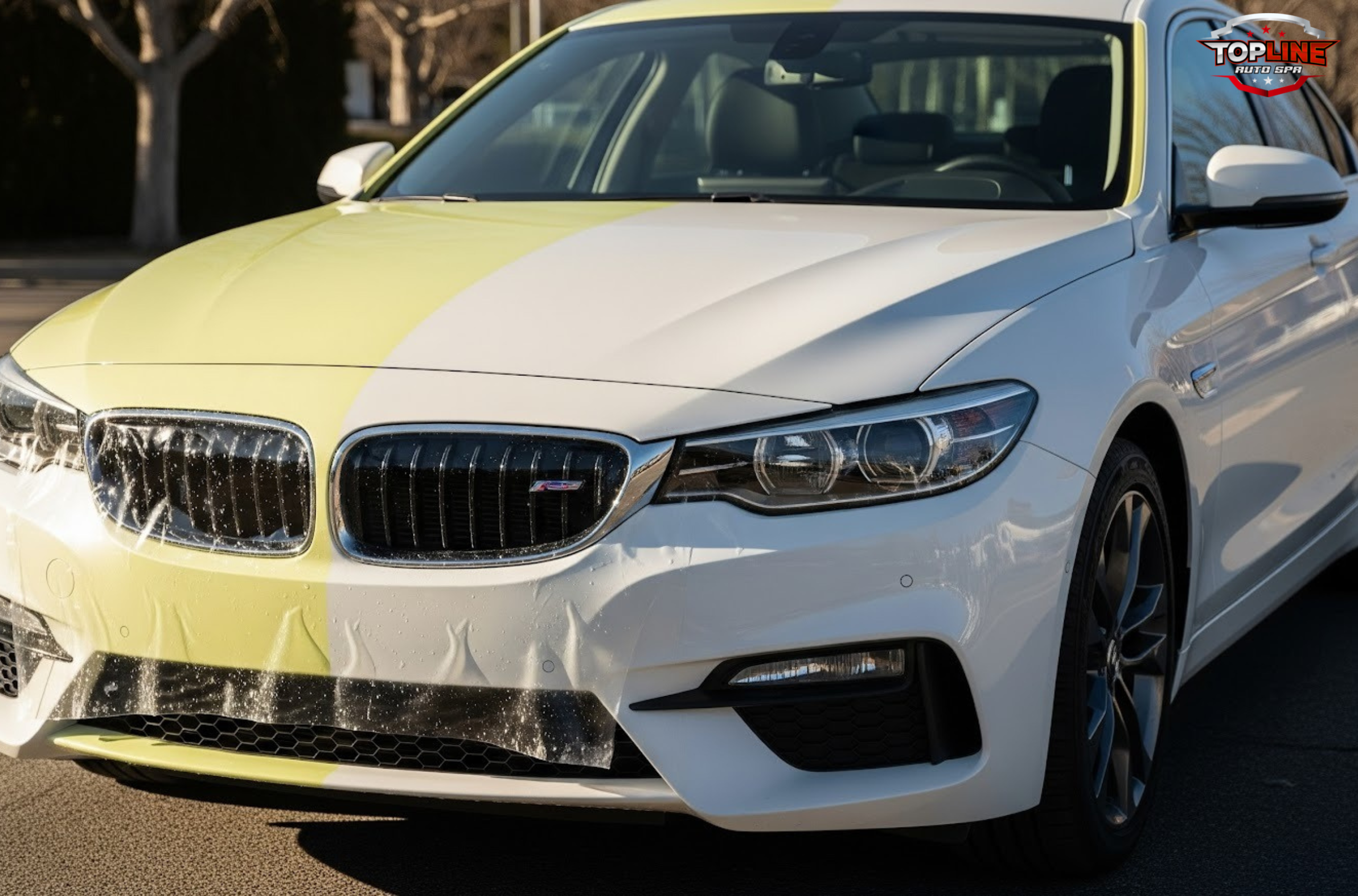
PPF yellowing happens when paint protection film starts to lose its clear look and turns dull or yellow. It is most visible on white and light colored cars. Many drivers think their paint is damaged when the problem is actually the film.
If you want long-lasting results, choosing the best paint protection film in Lehigh Valley PA makes a big difference. Understanding why PPF yellowing happens helps you protect your car and your investment.
What is PPF Yellowing?
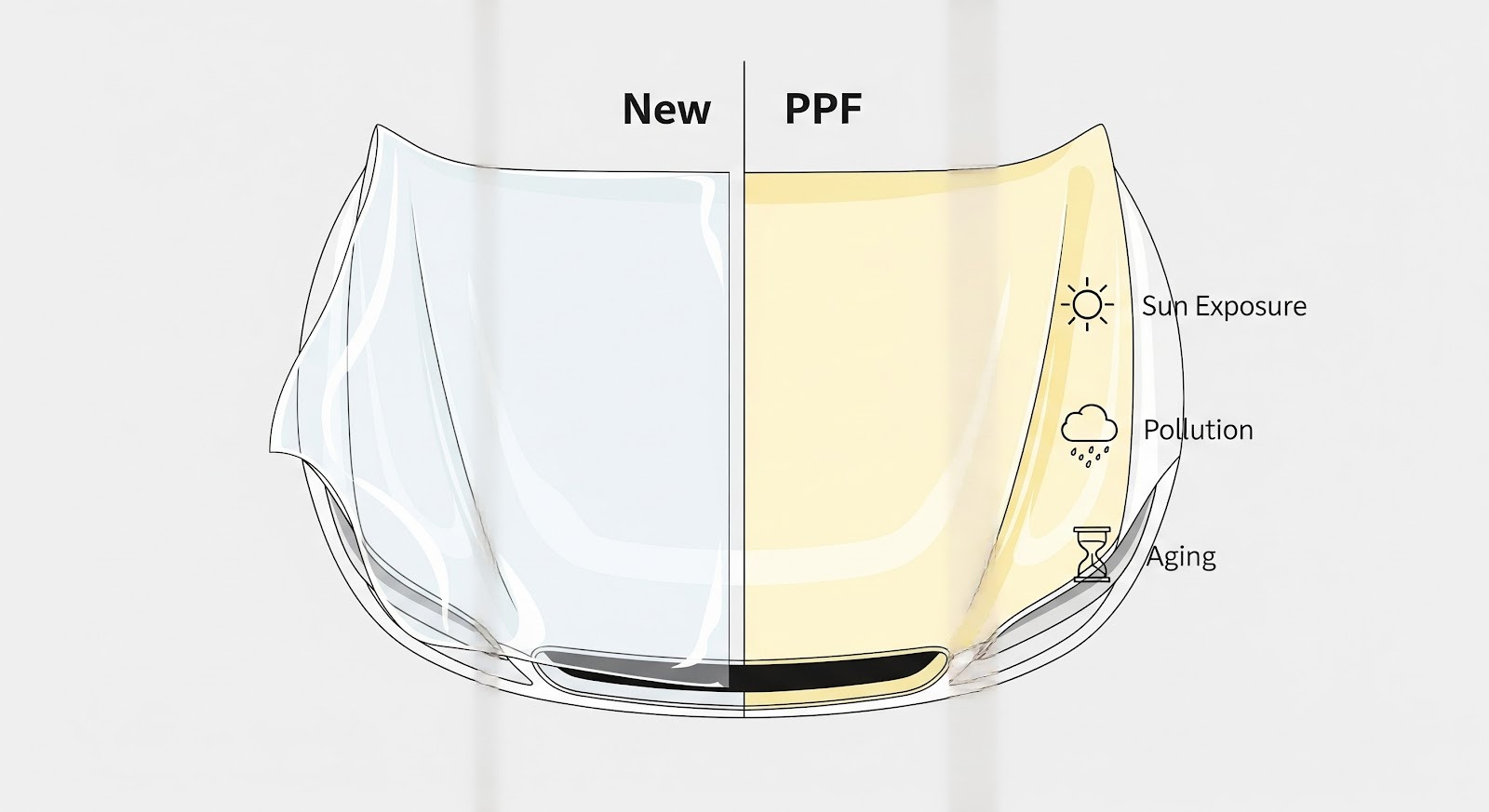
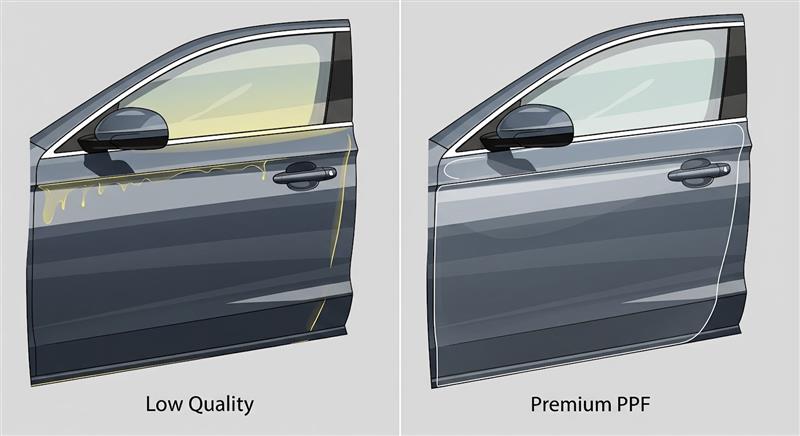
Yellowing PPF happens when a clear paint protection film slowly changes color over time. The film may look dull or slightly yellow instead of clear. This change often comes from sun exposure, air pollution, and normal aging of the material. While the paint underneath stays protected, the film itself loses its original look.
The issue shows up more on white and light colored cars because color changes are easier to see. Professionals check for signs like uneven color, darker edges, and clear lines where the film ends. These visual clues help confirm whether the problem is with the film and not the paint.
Why Paint Protection Film Turns Yellow?
Paint protection film is made to stay clear, but over time, it can change color. This problem is known as yellowing PPF. Below are the main reasons it happens, explained in simple terms based on real industry experience.
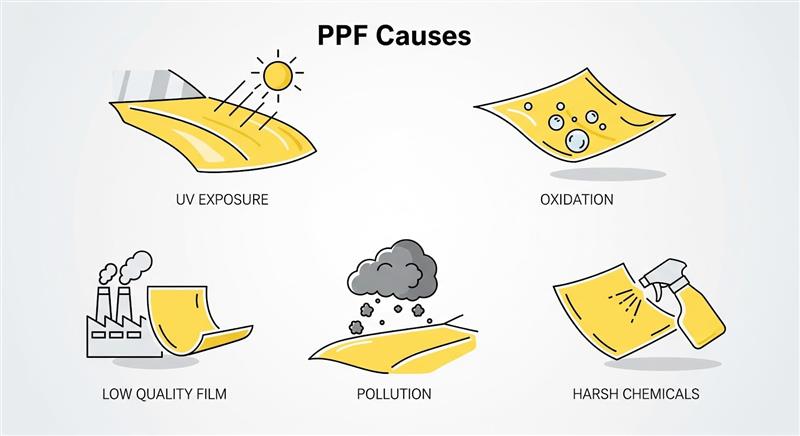
1. UV Exposure and Sun Damage
Sunlight is the biggest cause of yellowing PPF. Ultraviolet rays slowly break down the chemicals in the film. When a car sits outside every day, the damage happens faster. Heat and sun exposure work together and speed up this process. High quality films include UV blockers that slow down this damage. Non-resistant films do not have this protection. As a result, they yellow much sooner and lose their clear finish.
2. Oxidation of Adhesive Layers
Some yellowing does not come from the top of the film. It starts underneath. Older PPF designs used adhesive layers that react with air over time. This reaction causes oxidation, which leads to a yellow tint that rises through the film.
Top coat yellowing affects the surface. Adhesive yellowing starts below and cannot be cleaned or polished away. This is why older films often look worse, even when washed properly.
3. Low Quality or Outdated PPF Materials
Early films were thicker and less stable. They lacked modern materials that resist color change. Newer films use aliphatic TPU, which stays clear for much longer.
Cheaper films often skip these upgrades. They may look fine at first, but they age faster. This leads to early yellowing of PPF and shorter service life.
4. Environmental Contaminants and Pollution
Daily driving exposes PPF to road grime, oil, and brake dust. In some areas, industrial pollution and hard water also play a role. These particles stick to the film surface and sink into tiny pores. Without proper protection, the buildup stains the film and speeds up discoloration.
5. Improper Installation or Maintenance
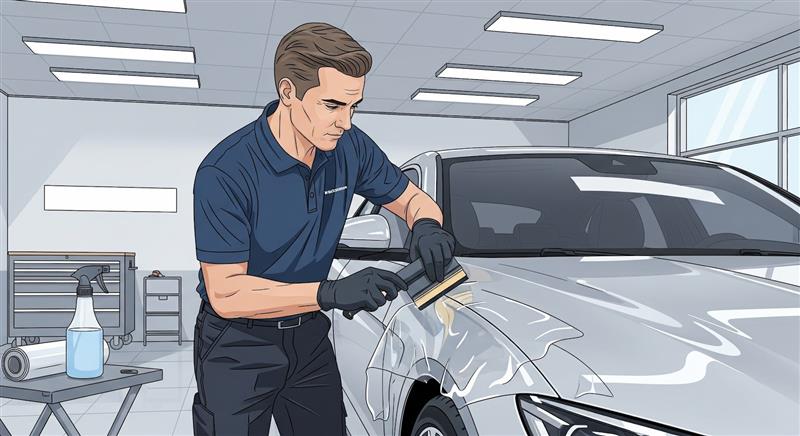
Poor installation causes problems from day one. If the surface is not cleaned well, dirt gets trapped under the film. This leads to uneven color changes later. Maintenance also matters. Strong cleaners and rough chemicals used by non-professionals can damage the top layer. Over time, this damage leads to yellowing and loss of clarity.
6. Lack of Protective Top Coating
Some PPFs do not have a strong top coating. The top layer is important because it acts as the first line of defense. Without it, the film absorbs dirt, oils, and UV rays faster. Over time, this exposure changes the film’s color. A weak or missing top coat also makes the film harder to clean and easier to stain.
7.No Added Protection Like Ceramic Coating
PPF works best when it has extra protection. When film is left uncoated, it takes the full impact of sun, water, and contaminants. This speeds up aging and discoloration. A ceramic coating placed over PPF adds a shield that blocks UV rays and reduces buildup. Without this added layer, yellowing PPF can appear much sooner, especially in harsh driving conditions.
Is PPF Yellowing Normal or a Sign of Failure?
Mild yellowing on paint protection film is sometimes normal as it ages. Sunlight, heat, and time can cause slight discoloration without affecting the paint underneath. Professionals look for uneven color, dark edges, or bubbling to spot premature failure.
High-quality film usually lasts longer, which is one reason many ask why is PPF so expensive. The material, UV protection, and installation process all add to the cost. Experts also check the warranty and installation records to decide if a replacement is needed. Proper care can keep the film clear for years.
Can Yellowed PPF Be Fixed or Must It Be Replaced?
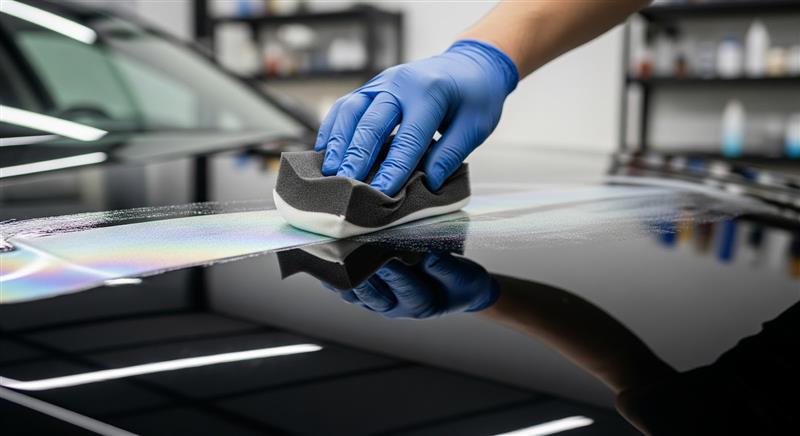
Yellowing on paint protection film can sometimes be cleaned if it is caused by surface dirt, road grime, or minor water spots. Professionals use gentle, pH-neutral cleaners and soft cloths to remove these stains without damaging the film. Regular maintenance can slow down yellowing and keep the film looking clear for longer.
However, when the discoloration comes from the film itself, it cannot be polished or repaired. This type of yellowing happens within the layers of the material due to UV exposure, oxidation, or aging. Trying DIY fixes can damage the film and reduce protection for your paint.
In these cases, the safest option is professional removal and replacement. Trained installers carefully remove the old film and apply a new layer without harming your car’s paint. This process restores clarity and maintains the vehicle’s resale value.
Investing in high-quality paint film protection for cars can prevent premature yellowing. Modern films include UV inhibitors and stronger top coats that resist discoloration. Adding a ceramic coating over the film also provides extra protection against the sun, dirt, and contaminants.
What to Look for in PPF That Won’t Yellow?
When choosing paint protection film, always check the manufacturer’s warranty. A good warranty shows confidence in the product. Look for certified installers. Trained professionals ensure the film is applied correctly. Check real-world performance reviews from other car owners. High-quality films use UV-resistant materials and strong top coats. These features help prevent yellowing and keep your car looking clear for years. Choosing the right film and professional installation protects your investment and ensures long-lasting results.
FAQs
Q1: Does PPF yellow faster on white cars?Yes, yellowing is more visible on white and light-colored cars, though the film itself discolors at the same rate on all colors.
Q3: Does yellow PPF damage paint?
No, yellowing affects only the film. Your paint remains fully protected underneath.
Q4: How often should PPF be replaced?It depends on the film quality and exposure, but most high-quality PPF lasts 5 to 7 years before replacement may be needed.
Q5: Why is PPF yellowing happening to my car?PPF yellowing happens due to UV exposure, aging, oxidation, and environmental factors. Proper installation and high-quality film can slow it down.
Conclusion
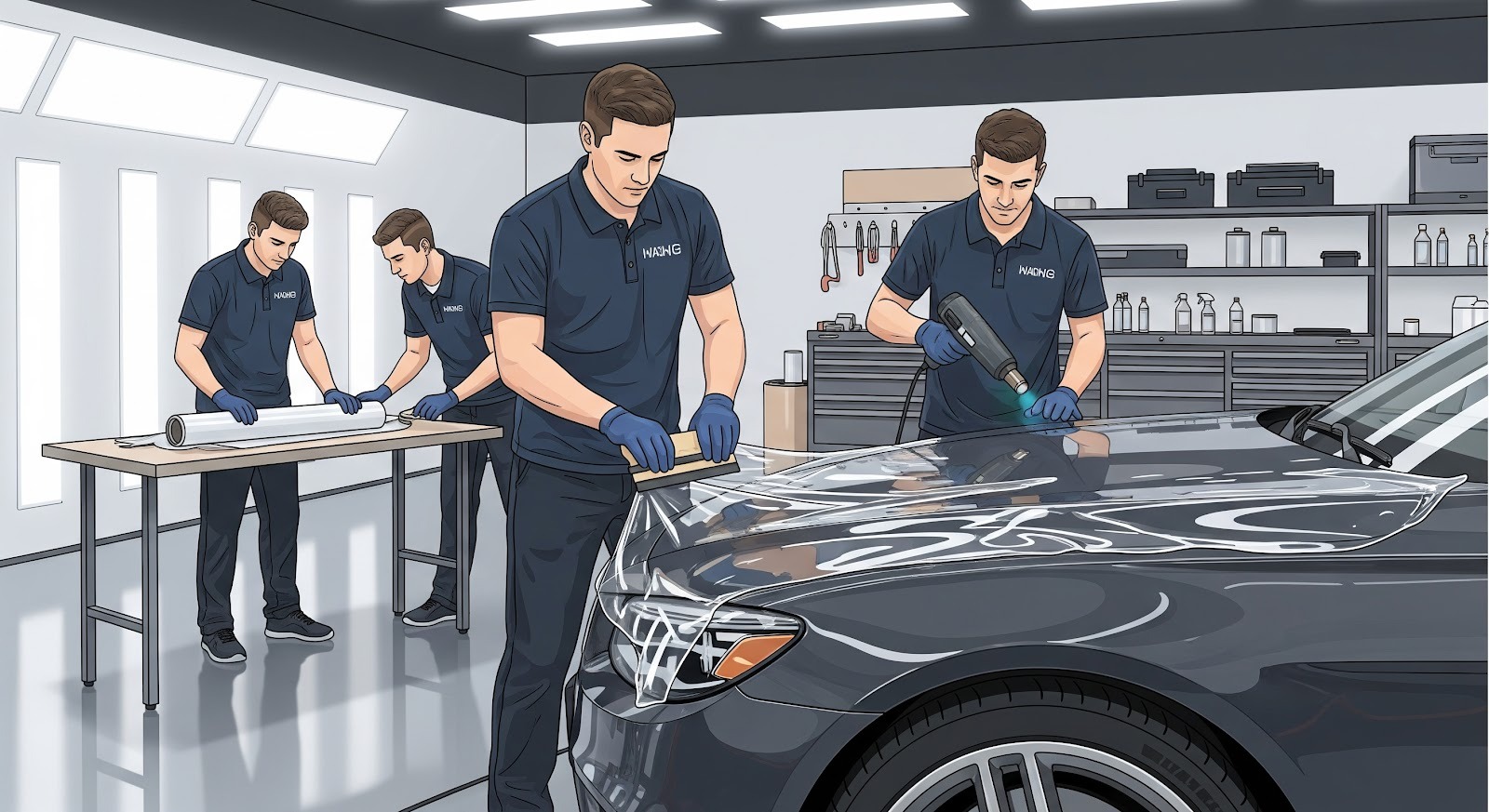
Yellowing PPF can be prevented with the right film and proper care. Choosing high-quality materials that resist UV damage and environmental wear is the first step. How the film is installed also makes a big difference. Professional installation ensures the film lays flat, bonds correctly, and lasts longer. Regular maintenance with gentle cleaning products keeps the film looking clear and prevents dirt and grime from causing stains.
Working with experienced paint protection film installers near me is the safest way to protect your vehicle. Experts know how to handle different car surfaces and can advise on the best products and coatings. Investing in quality installation and maintenance saves money over time by avoiding early yellowing and repeated replacements. Proper care and professional guidance help your car stay protected and maintain its appearance for years.