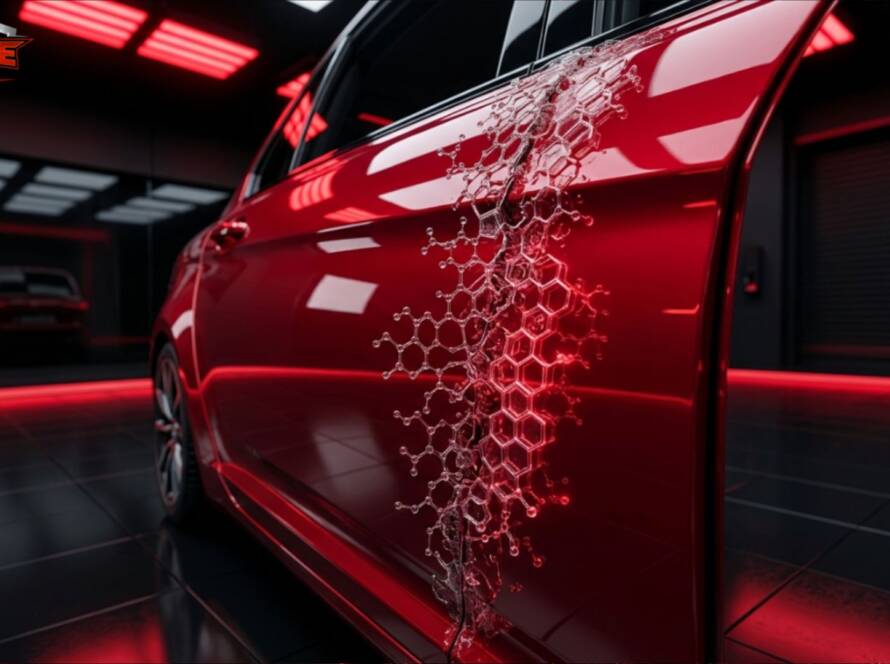


Your car may look perfectly fine in the shade or inside a garage—but the moment sunlight hits it, patchy areas, cloudy spots, or uneven reflections suddenly become visible. This is a common issue many car owners notice but don’t fully understand.
In most cases, the problem isn’t the color of the paint itself. It’s the condition of the surface and how light interacts with it. Sunlight exposes imperfections that normal lighting hides, making defects much more noticeable.
Key Takeaways
- Sunlight reveals imperfections that are harder to see indoors
- Patchy or cloudy paint is often caused by oxidation, swirl marks, or uneven surface condition
- Improper washing and environmental exposure accelerate paint deterioration
- Early correction can restore gloss and clarity before damage worsens
- Long-term protection helps maintain a smooth and even finish
Why Sunlight Makes Paint Problems More Visible
Sunlight is much stronger and more direct than indoor lighting. When light hits a smooth paint surface evenly, the paint appears glossy and reflective. But if the surface has imperfections, the light scatters unevenly, creating cloudy or patchy areas.
This is why many paint issues only become obvious during the daytime or under direct sunlight.
Oxidation Is One of the Biggest Causes
Over time, UV rays slowly break down your car’s clear coat. This process is called oxidation.
When oxidation develops, the paint loses clarity and starts looking faded, cloudy, or uneven in bright light. Dark-colored cars tend to show this problem more clearly because sunlight reflects more aggressively off the surface.
If left untreated, oxidation continues to weaken the finish and reduce overall paint quality.
Swirl Marks and Micro-Scratches Affect Reflection
Tiny scratches may not seem serious at first, but under sunlight they become much more noticeable.
Improper washing, dirty towels, automatic car washes, and aggressive cleaning methods create swirl marks that scatter light unevenly. Instead of producing a smooth reflection, the surface appears hazy or patchy.
Restoring the surface with paint correction services helps remove these imperfections and improve paint clarity.
Uneven Contamination on the Surface
Sometimes the issue isn’t damage—it’s contamination buildup.
Water spots, road grime, industrial fallout, and embedded particles can collect unevenly across the paint. This creates inconsistent reflections and dull patches, especially when sunlight hits the vehicle directly.
In many cases, the paint underneath is still healthy, but the surface condition makes it appear damaged.
Improper Polishing Can Create Patchy Paint
Not all paint problems come from neglect. Poor polishing or incorrect detailing techniques can also create uneven gloss levels.
Using the wrong polishing pads, applying inconsistent pressure, or overworking certain areas may leave some sections shinier than others. Under sunlight, these inconsistencies become very noticeable.
Why Early Correction Matters
Many people ignore cloudy or patchy paint because the issue seems cosmetic at first. However, these surface problems often indicate the beginning stages of paint deterioration.
Addressing the issue early prevents deeper damage and reduces the need for more aggressive restoration later. Once the surface is corrected, protecting it becomes much easier and more effective.
Protecting the Paint After Restoration
After restoring clarity and smoothness, maintaining that finish is the next step.
Applying ceramic coating helps create a protective barrier against UV exposure, contaminants, and water spots. This reduces future surface degradation while helping the paint maintain a more consistent shine.
The Hidden Mistake Many Car Owners Make
One of the biggest misconceptions is assuming frequent washing automatically keeps paint healthy. In reality, poor washing techniques often create the very issues people are trying to avoid.
Repeated exposure to dirty wash mitts, harsh brushes, and automatic washes slowly damages the surface over time. The paint may still look clean, but sunlight exposes the hidden imperfections.
Another mistake is delaying correction too long. Minor cloudiness or unevenness is usually easier and less expensive to fix early than after years of neglect.
Conclusion
Patchy or cloudy paint in sunlight is usually a sign that the surface is no longer reflecting light evenly. Oxidation, swirl marks, contamination, and improper maintenance all contribute to this issue over time.
The good news is that most early-stage problems can be corrected before permanent damage occurs. Understanding what causes uneven reflections helps you take the right steps instead of masking the issue temporarily.
Combining surface restoration with professional auto detailing services and proper maintenance practices helps preserve your vehicle’s shine, clarity, and long-term appearance.
FAQs
1. Why does my car paint look fine indoors but cloudy outside?
Sunlight is much stronger than indoor lighting and exposes imperfections like swirl marks, oxidation, and uneven reflections more clearly.
2. Can cloudy car paint be restored?
Yes, in many cases surface correction can restore clarity and remove imperfections before the damage becomes severe.
3. How do I prevent patchy or uneven-looking paint?
Using safe washing methods, protecting the surface, and maintaining the paint regularly helps prevent uneven appearance and long-term deterioration.