
Your vehicle’s windshield and front-facing paint collect bug splatter during highway driving, particularly during spring and summer months. While these stains might seem like minor aesthetic issues, bug residue is actually acidic and caustic, etching into your clear coat and causing permanent damage if left unaddressed. Understanding how to remove bug stains safely prevents both the stains themselves and the secondary damage that develops when acidic bug residue sits on paint.
Bug stains represent one of the most common paint contaminants vehicle owners encounter. Yet many car owners either ignore them hoping they’ll wash away with regular cleaning, or aggressively scrub stains with harsh products that damage clear coat more than the original bug residue. Proper bug stain removal requires understanding what you’re actually dealing with, using appropriate products, and employing gentle technique that removes stains without harming your paint’s protective clear coat.
For Lehigh Valley residents, bug stain accumulation is particularly significant during summer months and spring when insect activity peaks. Highway driving on I-78 and surrounding routes exposes vehicles to substantial bug splatter. Combined with our region’s UV exposure, hard water, and temperature extremes, bug stains become one of many environmental threats to paint requiring prompt attention and proper removal technique.
This comprehensive guide explores everything about bug stain removal, from understanding what causes stains to learning safe removal techniques to preventing future accumulation. Whether you’re dealing with fresh bug splatter or aged stains that have begun etching into clear coat, this guide provides the knowledge needed for safe, effective removal that protects your paint while addressing the problem.
Key Takeaways
- Bug stains result from acidic insect residue bonding to and etching clear coat, causing permanent damage if left unaddressed
- Fresh bug stains are far easier to remove than aged stains that have begun penetrating clear coat
- Prompt removal within hours or days of bug splatter prevents damage progression
- Gentle removal technique using appropriate products prevents clear coat damage during stain removal
- Hot water softens bug residue, making removal easier and safer than aggressive scrubbing with dry methods
- Specialized bug and tar removers safely dissolve bug residue without damaging clear coat when used properly
- Mechanical scrubbing should be minimal, with most removal coming from chemical action rather than friction
- Professional bug stain removal through detailing services ensures safe, effective removal without damage risk
- Regular washing and protective coatings reduce bug stain accumulation
- Bug stains that have etched into clear coat might require professional paint correction for complete removal
Understanding Bug Stains: Why They Damage Paint
Before learning how to remove bug stains, understanding what causes them and why they’re damaging helps you appreciate why prompt removal matters.
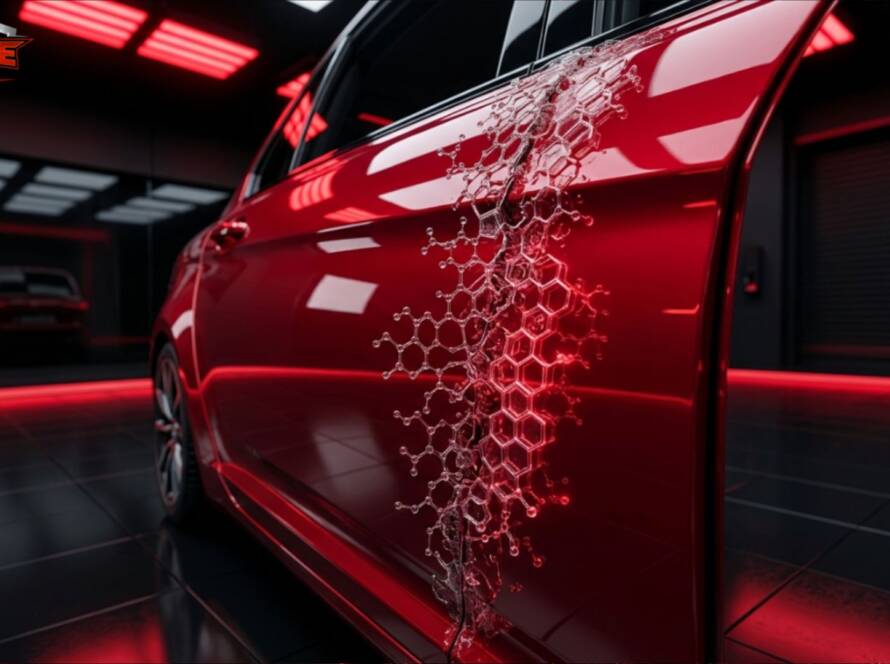
Bug splatter contains acidic compounds from insect bodies that are caustic to automotive clear coat. When insects strike your windshield and front-facing paint at highway speeds, their bodies disintegrate on contact. The acidic residue immediately begins bonding to and etching clear coat. This chemical reaction starts instantly upon contact, not gradually over days.
Fresh bug stains appear as visible splatter marks on paint and glass. Within hours, the stain begins darkening as the residue oxidizes. Within days, the stain becomes increasingly difficult to remove as it penetrates deeper into clear coat layers. After weeks without removal, the stain becomes virtually impossible to remove without professional paint correction because the etching has become permanent.
The damage from bug stains extends beyond simple discoloration. The acidic residue literally burns into clear coat, creating microscopic pits and damage. This damage is different from simple dirt or grime that sits on top of clear coat. Bug stains are chemical damage requiring different removal approach than general contamination.
Spring and summer months see peak bug stain accumulation due to increased insect activity during these seasons. Highway driving exposes vehicles to substantially more bug splatter than city driving because highway speeds mean greater impact force and more frequent insect contact.
Ignoring bug stains guarantees progressive damage. The acidic residue continues etching deeper into clear coat over time. What starts as a surface stain becomes permanent etching requiring professional paint correction to address. Early removal prevents this progression.
Types of Bug Stains and Damage Progression
Understanding different bug stain types and how damage develops helps you recognize when professional intervention is necessary.
Fresh bug stains appear within hours of bug impact, displaying visible splatter marks and discoloration. Fresh stains respond well to gentle removal techniques because the residue hasn’t deeply penetrated clear coat. Removal at this stage is easiest and safest.
Aged bug stains from days or weeks of sitting become darker and more difficult to remove. The oxidation process darkens the residue, and deeper penetration makes chemical removal more challenging. Aged stains still respond to proper removal technique but require more persistence.
Deeply etched bug stains from months or longer without removal show permanent damage in clear coat. These stains no longer appear as surface residue but as etching damage affecting clear coat integrity. Removal becomes difficult because the damage is structural rather than superficial.
Heat-baked stains from exposure to intense sun become particularly resistant to removal. Extended UV exposure combined with thermal stress bonds stain residue more aggressively to clear coat. Heat-baked stains sometimes require professional paint correction for complete removal.
Multiple overlapping stains from repeated bug impacts without removal create cumulative damage affecting large areas of paint. These severely damaged areas often benefit from professional paint correction addressing the complete damage pattern rather than trying to spot treat individual stains.
Understanding stain progression helps you recognize when DIY removal is appropriate and when professional services are necessary.
Safe Bug Stain Removal Techniques: Step by Step
Learning proper removal technique prevents clear coat damage while effectively addressing bug stains.
Begin by rinsing the affected area with clean water. This initial rinse removes loose debris and loosens surface residue. Use gentle water pressure rather than high-pressure washing that might drive residue deeper into clear coat. A standard garden hose with soft spray works well for this step.
Soak the affected area with warm water. Warmth softens dried bug residue, making removal easier. You can accomplish this by placing a damp cloth over the stain for several minutes, allowing the warm moisture to penetrate and soften the residue. This soaking step is particularly important for aged stains.
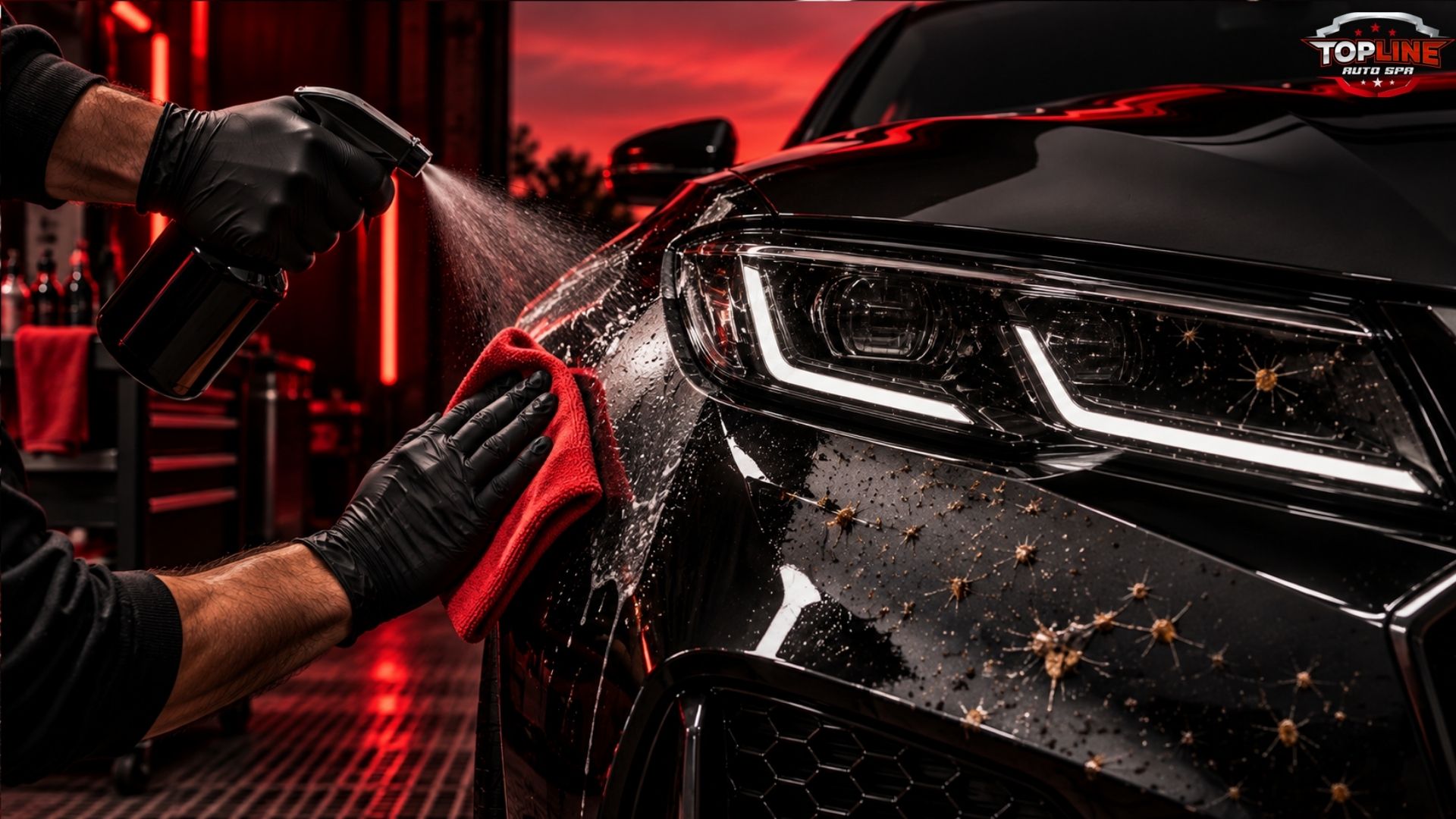
Apply bug and tar remover product designed specifically for insect residue removal. These specialized products contain solvents that dissolve bug residue chemically without damaging clear coat. Quality bug removers are formulated to be safe on automotive paint when used as directed. Apply the product according to manufacturer instructions, typically by spraying or wiping onto the affected area.
Allow contact time for the chemical to work. Most bug removers require 30 seconds to 2 minutes of contact time to dissolve residue effectively. Patience during this step is more effective than aggressive scrubbing. The chemical action does most of the work if given adequate time.
Gently wipe the softened residue with a soft microfiber cloth or bug sponge. Use light pressure, allowing the cloth to absorb and remove the dissolved residue. Avoid aggressive scrubbing that introduces microabrasion into clear coat. Multiple gentle wipes are more effective than single aggressive scrubbing.
Rinse thoroughly with clean water after residue removal. Thorough rinsing removes all chemical residue and dissolved bug material. Incomplete rinsing leaves chemical residue that can damage paint if left in contact too long.
Dry the treated area completely with clean microfiber towel. Remaining moisture can leave spots or promote mold growth. Pat dry rather than rubbing aggressively.
Assess results in natural light. Some heavily etched stains might not remove completely through this gentle process. If stains remain after proper removal technique, professional assessment determines whether paint correction is necessary.
Products for Safe Bug Stain Removal
Understanding appropriate products ensures safe removal without clear coat damage.
Specialized bug and tar removers are formulated specifically for insect residue removal. Quality products dissolve bug residue chemically without requiring aggressive mechanical scrubbing. Products like Turtle Wax Bug and Tar Remover, Meguiar’s Bug and Tar Remover, and similar products work safely when used as directed.
Soap and water alone typically cannot remove dried bug stains effectively. While regular washing prevents fresh bugs from bonding, it cannot remove stains that have already etched into clear coat.
Vinegar or other acidic household products should be avoided. While acidic enough to dissolve bug residue, these products can damage clear coat more than bug stains themselves. Stick with automotive-specific products formulated for paint safety.
Hot water assists removal by softening dried residue, but hot water alone cannot remove deeply bonded stains. Combined with specialized bug removers, hot water enhances effectiveness.
Specialized bug sponges designed to gently remove residue provide mechanical assistance without excessive abrasion. These soft sponges work well for dried stains combined with bug remover product.
Clay bar decontamination after bug stain removal removes any remaining residue and other bonded contaminants. Clay bar safely removes contamination while protecting paint surface.
Quality microfiber cloths for gentle wiping prevent introducing new scratches during removal process. Avoid paper towels or rough cloths that can scratch clear coat.
Prevention: Reducing Future Bug Stain Accumulation
Preventing bug stains is more effective than removing them after they develop.
Protective coatings provide the most effective bug stain prevention. Paint protection film creates physical barrier preventing direct bug contact with paint. Ceramic coating creates hydrophobic surface from which bugs are more easily removed before residue bonds. These protective coatings significantly reduce bug stain accumulation.
Frequent washing during bug season prevents residue from bonding. Weekly or bi-weekly washing during spring and summer removes fresh bug splatter before acidic residue etches clear coat. This maintenance approach is highly effective for bug season protection.
Parking location choices reduce exposure. Parking in shaded areas or away from areas with high insect activity minimizes bug impacts. While not always practical, conscious parking choices reduce accumulation when possible.
Night driving reduction during peak bug season limits exposure. Insects are most active at dawn and dusk. Adjusting driving times when possible reduces highway bug impacts.
Bug deflectors or stone guards on front bumper and hood reduce direct paint contact with bugs. While not preventing all impacts, these protective devices reduce paint exposure.
Regular detailing removes bug residue before deep etching occurs. Monthly or quarterly professional detailing during bug season addresses accumulation before permanent damage develops.
Professional Bug Stain Removal and Paint Protection
Understanding when professional services are necessary helps you avoid permanent damage from aggressive DIY attempts.
Professional bug stain removal through professional detailing services combines appropriate products, gentle technique, and professional expertise ensuring safe, effective removal. Professional detailers have access to industrial-strength bug removers and understand optimal removal techniques.
Professional paint assessment determines whether stains are surface residue that responds to chemical removal or etching damage requiring correction. Professional inspection under specialized lighting reveals damage severity invisible under normal lighting.
Paint correction becomes necessary for deeply etched bug stains that cannot be removed through gentle chemical methods. Professional paint correction addresses etching damage, restoring clear coat to pristine condition.
Paint protection film installation after bug stain removal prevents future bug damage in high-exposure areas. PPF creates permanent physical barrier eliminating future bug stain concerns on protected surfaces.
Professional detailing packages often combine bug stain removal with comprehensive paint cleaning and protection, addressing complete paint care needs.
Relating to Similar Paint Damage: Understanding the Connection
Bug stains represent one type of paint damage from external contact and chemical exposure. To better understand comprehensive paint damage and restoration approaches, explore our detailed guide on paint overspray removal and professional restoration techniques, which addresses similar etching damage applicable to various paint damage types.
Natural Remedies vs. Automotive Products: What Actually Works
While some online sources recommend household remedies for bug stain removal, automotive-specific products consistently outperform alternatives.
Baking soda paste is sometimes recommended but provides minimal bug stain removal capability. The gentle abrasion might help remove residue already loosened by water, but baking soda lacks the chemical dissolving power of dedicated bug removers.
Lemon juice or vinegar are too acidic and risk damaging clear coat more than bug stains themselves. These harsh acids can cause etching similar to bug damage, defeating the purpose of removal.
WD-40 is sometimes suggested but WD-40 is a penetrating oil formulated for rust and corrosion, not paint-safe bug removal. WD-40 residue attracts dirt and can damage paint finish.
Commercial bug removers formulated specifically for automotive paint consistently outperform household alternatives because they balance dissolving power with paint safety. These products are engineered precisely for insect residue chemistry.
Professional detailing products used by experts represent the highest quality options for safe, effective removal.
Seasonal Bug Stain Management Strategy
Developing seasonal strategy for bug stain management maintains paint condition through peak bug season.
Spring season sees initial bug activity as insects emerge. Early spring detailing removes winter accumulation and prepares paint for spring bug season. Bug stain removal at season start prevents accumulation.
Summer months peak insect activity coinciding with highway driving season. Bi-weekly washing during summer addresses fresh bug splatter before bonding occurs. This preventive maintenance is highly effective for summer protection.
Fall season sees declining but continued bug activity. Early fall detailing removes summer accumulation before transitioning to winter months. This timing prepares paint for winter salt exposure.
Winter months see minimal bug activity, though winter conditions introduce different paint threats like road salt. Winter maintenance focuses on salt removal rather than bug stain management.
Quarterly professional detailing throughout the year maintains paint condition and addresses whatever contaminants current season presents.
Conclusion: Safe Bug Stain Removal Protects Your Paint Investment
Learning how to remove bug stains safely ensures your vehicle’s paint remains pristine despite unavoidable highway exposure. Prompt removal within days of bug impact prevents permanent etching damage that becomes increasingly difficult and expensive to address.
Proper technique using appropriate products safely removes stains while protecting clear coat from damage. Gentle chemical removal outperforms aggressive mechanical scrubbing for nearly all bug stain situations.
Prevention through protective coatings, frequent washing during bug season, and professional detailing maintains paint condition better than addressing damage after it develops. Combining removal technique with prevention strategy creates comprehensive paint protection approach.
For severe or etched bug stains that resist gentle removal, professional paint correction restores clear coat to pristine condition. Professional assessment determines whether your stains respond to removal technique or require correction services.
Lehigh Valley’s highway driving exposure makes bug stain management important aspect of paint care. Regional highway infrastructure and seasonal insect activity create substantial bug stain risk that regular maintenance addresses effectively.
Frequently Asked Questions
1. How quickly should I remove bug stains from my car?
Remove bug stains within 24 to 48 hours of impact for easiest, safest removal. Fresh stains respond well to gentle methods. Aged stains become increasingly difficult to remove as acidic residue penetrates deeper into clear coat.
2. Will bug stains damage my paint permanently?
Yes, if left unaddressed. Bug stains etch into clear coat, causing permanent damage. Fresh stains respond to removal. Aged stains might require professional paint correction for complete elimination.
3. Can I use a pressure washer to remove bug stains?
No, avoid high-pressure washing. Pressure can drive bug residue deeper into clear coat. Use gentle water rinse followed by chemical bug remover for safe removal.
4. What’s the safest product for bug stain removal?
Specialized bug and tar removers formulated for automotive paint are safest. These products dissolve bug residue chemically without damaging clear coat. Avoid household acidic products that risk harming paint.
5. How often should I wash my car during bug season?
Weekly or bi-weekly washing during spring and summer prevents bug stain accumulation. Regular washing removes fresh splatter before bonding occurs, preventing permanent damage.
6. Can professional detailing remove all bug stains?
Professional detailing can remove most bug stains safely. Deeply etched stains from months without removal might require paint correction for complete removal.
7. Do ceramic coatings prevent bug stains?
Ceramic coating reduces bug stain accumulation by creating hydrophobic surface from which bugs are easier to remove. However, coating doesn’t prevent impacts, just facilitates easier removal.
8. What if DIY removal doesn’t work?
If bug stains persist after proper removal technique, professional assessment determines whether paint correction is necessary. Professional services address damage DIY methods cannot resolve.
9. Are bug stains worse in summer or spring?
Both seasons see heavy bug activity. Spring and early summer peak insect activity coincides with highway driving. Regular removal throughout these seasons prevents accumulation.
10. Can bug stains affect resale value?
Etched bug stains affect paint appearance and clarity. Significant staining can impact resale value. Regular removal and professional detailing maintain paint condition preserving vehicle value.