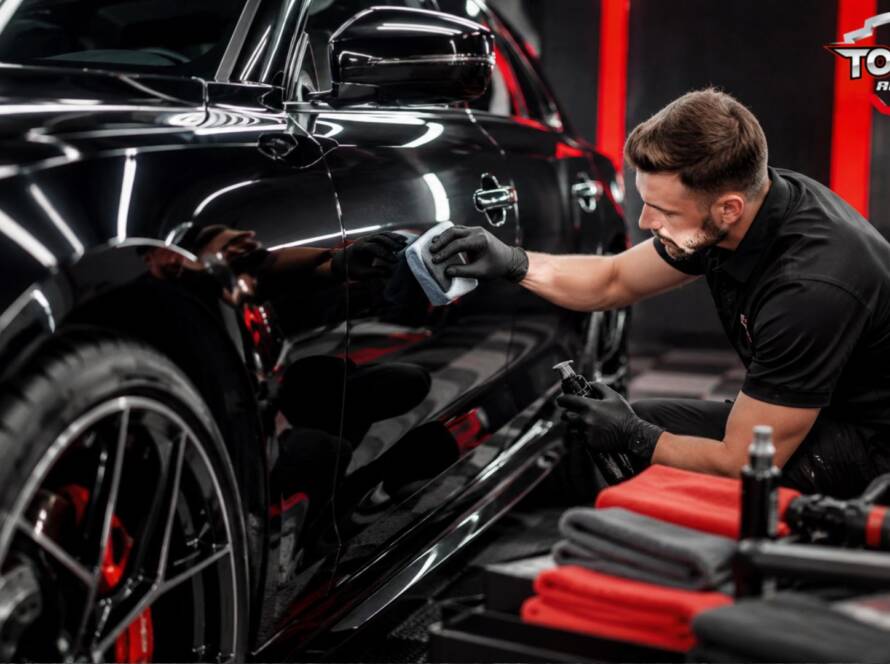


Your vehicle’s paint faces constant assault from environmental contaminants that regular washing simply can’t remove. Brake dust, industrial fallout, tree sap, bird droppings, and countless other particles bond to your clear coat over time, creating a rough, dull surface that no amount of washing will fix. This is where the best clay bar becomes an essential tool in your vehicle care arsenal. Clay bars are one of the most effective and affordable ways to restore your paint’s smoothness and clarity, preparing it for protection and enhancing its appearance dramatically.
Many car owners have never heard of clay bars or understand what they do. Others have attempted clay bar treatment with disappointing results, not realizing that technique matters significantly. Understanding what clay bars are, how they work, and which type is best for your vehicle’s specific needs transforms your approach to paint maintenance. The best clay bar for your vehicle isn’t necessarily the most expensive option it’s the one that matches your paint condition and specific contaminant challenges.
Clay bar treatment represents a middle ground in automotive detailing. It’s more thorough than regular washing but less aggressive than professional paint correction. For most vehicle owners in Lehigh Valley and beyond, incorporating clay bar treatment into regular maintenance prevents the buildup of contaminants that eventually require expensive professional correction work.
This comprehensive guide explores everything you need to know about selecting and using the best clay bar for your vehicle. From understanding different clay bar types to learning proper application technique to knowing when professional treatment is necessary, you’ll gain the knowledge needed to make informed decisions about this valuable detailing tool.
Key Takeaways
- Clay bars remove embedded environmental contaminants that regular washing can’t eliminate through a decontamination process
- The best clay bar choice depends on your paint condition, vehicle usage, and specific contaminant exposure
- Fine grade clay bars work for maintenance on vehicles with minimal contamination, while medium and heavy grades address severe buildup
- Proper clay bar technique is essential improper use can scratch clear coat or waste the clay bar’s effectiveness
- Clay bar treatment should be followed by protective coating to maximize results and prepare paint for long-term protection
- Lehigh Valley’s road salt and industrial pollution make regular clay bar treatment particularly valuable for regional vehicle owners
- Professional detailing services provide clay bar treatment with expertise and equipment that ensures optimal results
- Clay bar is most effective when used as part of a comprehensive paint care strategy including protection and regular maintenance
- DIY clay bar treatment costs 20-50 for materials but requires careful application to avoid damage
- Professional clay bar treatment costs 100-300 but guarantees proper execution and integration with other services
Understanding Clay Bars: What They Are and How They Work
Clay bars are specialized detailing tools made from synthetic polymer compounds engineered to safely remove bonded contamination from vehicle paint. Unlike traditional wash mitts or brushes that physically scrub the paint surface, clay bars work through absorption and adhesion, lifting embedded particles without scratching the clear coat.
The composition of clay bars is scientific precision. The malleable compound contains millions of microscopic fibers and adhesive properties that attract and grab contaminant particles. When you work the clay bar across your paint surface, these particles, which are bonded too strongly to wash away with soap and water, adhere to the clay instead of remaining on your paint.
The decontamination process that clay bars enable is fundamentally different from washing. Regular car washing removes loose dirt and dust. Clay bar treatment removes contaminants that have bonded to your clear coat at a molecular level. This includes brake dust particles embedded in paint, industrial fallout, tree sap residue, paint overspray particles, and countless other contaminants that accumulate during normal vehicle use.
When you run your hand across properly clay-barred paint, you notice an immediate difference. The surface feels smooth and slick instead of rough and textured. This smoothness confirms that embedded contaminants have been removed. The visual difference is also dramatic: paint clarity improves, gloss increases, and the overall finish appears refreshed.
Clay bars work best when used with a lubricating spray that allows the clay to glide across the paint without scratching. The lubricant reduces friction while the clay grabs contaminants. This combination makes clay bar treatment safe for your paint while remaining highly effective at contamination removal.
Types of Clay Bars: Choosing the Right Grade for Your Vehicle
The best clay bar for your vehicle depends on understanding the different types available and matching them to your specific paint condition.
Fine grade clay bars are designed for maintenance on vehicles with minimal contamination. These gentle clay bars work well for vehicles that receive regular washing and are relatively free from heavy contamination buildup. Fine grade clay bars are excellent for monthly or quarterly maintenance to prevent contamination accumulation. They’re ideal for vehicles that haven’t been exposed to harsh conditions like road salt or heavy industrial pollution.
Medium grade clay bars address moderate contamination and are the most versatile option for most vehicle owners. If your vehicle shows signs of roughness when you run your hand across the paint or displays dull finish despite regular washing, medium grade clay bars are appropriate. Medium grade clay bars work well for vehicles that spend time on highways where brake dust exposure is common, or vehicles in areas with moderate industrial pollution. Most vehicle owners benefit from medium grade clay bars as their default choice.
Heavy duty clay bars are engineered for severely contaminated paint or vehicles that have gone years without proper decontamination treatment. If your vehicle has heavy brake dust buildup from frequent highway driving, significant industrial pollution exposure, or hasn’t been clay barred in years, heavy duty formula is necessary. Heavy duty clay bars are more aggressive and remove stubborn contaminants that fine or medium grades can’t address.
Specialty clay bars exist for specific purposes. Tar removal clay bars are designed specifically for road tar that bonds to paint from highway driving. These specialized products contain solvents that break down tar’s adhesion, making tar removal far easier than with standard clay bars. Glass clay bars are formulated for removing contaminants from windows and glass surfaces without scratching glass.
Natural versus synthetic clay bars represent another distinction. Natural clay bars contain actual clay minerals combined with polymers. Synthetic clay bars are engineered polymer compounds without natural clay. Synthetic clay bars are generally preferred because they’re more durable, reusable, and control is more consistent. Natural clay bars tend to break apart more easily and have less predictable performance.
The best clay bar decision requires honest assessment of your paint condition. Look at how your paint feels when you run your hand across it. Examine whether rough spots exist. Consider your vehicle’s usage and environmental exposure. Based on these factors, select a clay bar grade that matches your paint’s actual needs rather than choosing the most aggressive option or the most economical choice.
Proper Clay Bar Technique: Why Application Method Matters
The best clay bar will produce disappointing results if application technique is improper. Correct technique is essential for safety, effectiveness, and efficient clay bar use.
Surface preparation before clay bar application is critical. Wash your vehicle thoroughly with quality car wash soap and water, removing all loose dirt and debris. Dry the vehicle completely any water remaining on the surface will interfere with clay bar operation. Some professionals prefer clay bar application on wet surfaces, but for most DIY applications, dry surfaces work better and prevent lubricant dilution.
Selecting an appropriate lubricating spray is essential. Clay bar lubricants allow the clay to glide smoothly across paint while preventing scratching. Never attempt clay bar treatment without lubricant; the friction would cause scratching and potential damage. Always use lubricant specifically formulated for clay bar treatment. Car wash soap diluted with water can work in emergencies but isn’t ideal because it reduces clay bar effectiveness over time.
Conditioning the clay bar before use ensures proper function. Knead the clay bar in your hands until it becomes warm and pliable. Break off a section appropriate for your vehicle’s size a piece about the size of a golf ball is typical for most applications. Knead this section thoroughly before beginning treatment.
Application technique requires patience and proper pressure. Spray lubricant generously on a small section of paint. Using the clay bar with light to medium pressure, work in overlapping passes across the lubricated section. Move the clay bar slowly; rushing the process reduces effectiveness. The clay bar should glide smoothly across the paint without catching or dragging.
As the clay bar works, you’ll feel resistance decreasing. This indicates the section is becoming progressively cleaner as contaminants are removed. Once a small section feels smooth and clean, move to the next area and repeat the process. Work methodically across the vehicle, treating all painted surfaces.
Checking clay bar condition is important for maintaining effectiveness. As the clay bar works, it accumulates contaminants. Periodically fold the clay to expose fresh surface. When the entire clay piece becomes dirty or loses effectiveness, discard that piece and knead a new section from the remaining clay.
Rinsing treated areas as you progress prevents contaminated clay from redepositing particles on clean paint. After treating a section, rinse it with water to remove clay residue and any loosened contaminants. This intermediate rinsing is particularly important in dusty environments where airborne particles might land on treated areas.
Final rinsing after completing the entire vehicle removes all clay residue and loose contaminants. Final rinsing is critical because clay residue left on paint will dry and become difficult to remove.
The Role of Lubricant: Why Spray Selection Matters
The lubricating spray used during clay bar treatment is almost as important as the clay bar itself. Proper lubricant makes the difference between safe, effective treatment and potential paint damage.
Dedicated clay bar lubricants are engineered to provide optimal glide while protecting paint. These products contain surfactants that create a slick surface, allowing clay to move smoothly without friction. They’re specifically formulated to be removed easily with water while maintaining clay bar effectiveness throughout the treatment process.
The lubricant serves multiple functions simultaneously. It prevents scratching by reducing friction between clay and paint. It allows the clay to glide rather than catch or stick. It maintains clay bar consistency; without lubricant, the clay becomes stiff and difficult to work with. It facilitates efficient clay bar movement across larger areas without frequent repositioning.
Using inadequate lubricant is one of the most common mistakes in DIY clay bar treatment. Insufficient lubricant causes the clay to drag across paint, potentially creating scratches. Dragging also creates excessive friction that damages clay bar effectiveness. Proper technique requires generous lubricant application; this might seem wasteful but produces far better results than attempting to economize on lubricant.
Diluted car wash soap can substitute for dedicated clay bar lubricant in emergency situations, but it’s not ideal. Car wash soap reduces clay bar effectiveness over extended use because it doesn’t provide the same degree of slickness as purpose-designed lubricants. Additionally, soap-based lubricants require thorough rinsing to remove completely, potentially leaving residue on paint.
Some professional detailers use specialized clay bar lubricants with additional conditioning properties that leave protection or shine-enhancing products on paint. These premium lubricants cost more but provide added benefits beyond basic lubrication.
Choosing the best lubricant means selecting a purpose-designed clay bar spray rather than substituting general wash products. This ensures optimal results and protects your paint investment.
Clay Bar Treatment for Different Paint Conditions
Different starting paint conditions require different clay bar approaches and intensity levels.
For relatively clean paint that simply needs maintenance to prevent contamination accumulation, fine grade clay bar treatment works perfectly. This lighter approach removes minor buildup without excessive scrubbing. Maintenance clay bar treatment typically requires 30-45 minutes for a complete vehicle and is a satisfying visual change in paint smoothness and clarity.
For paint showing visible contamination rough feel, dull appearance, or textured surface despite regular washing medium grade clay bar treatment is appropriate. This level of treatment typically requires 45-60 minutes and produces more dramatic results than maintenance treatment. The visual transformation can be remarkable, with paint appearing significantly clearer and glossier after treatment.
For severely contaminated paint or vehicles that haven’t received clay bar treatment in years, heavy duty clay bar treatment might be necessary. This intensive approach requires 90 minutes to 2 hours and significantly more physical effort. Heavy duty treatment produces dramatic results on neglected paint, but the intensity requires careful technique to avoid overworking paint.
Paint that already has scratches, swirl marks, or other damage benefits from professional paint correction before clay bar treatment. Clay bars can’t address existing scratches or damage they only remove surface contaminants. Professional paint correction restores paint clarity before clay bar treatment and protection are applied.
Lehigh Valley-Specific Considerations for Clay Bar Treatment
Lehigh Valley residents face specific environmental challenges that make regular clay bar treatment particularly valuable.
Road salt exposure from winter road maintenance creates heavy brake dust and salt-based contamination that accumulates on paint. Regular clay bar treatment removes this contamination before it causes oxidation or corrosion. Winter maintenance through clay bar treatment is particularly important in our region.
Industrial pollution from manufacturing facilities in Lehigh Valley deposits contaminants on vehicles that regular washing can’t remove. Clay bar treatment effectively removes these industrial particles before they cause permanent paint damage or oxidation.
Hard water spotting from mineral-rich local water supplies creates visible contamination on paint. While clay bar treatment doesn’t completely prevent hard water spots, it removes mineral deposits before they etch into clear coat.
Highway driving on I-78 and other major routes exposes vehicles to brake dust from heavy traffic. This particulate matter bonds to paint and requires clay bar treatment for effective removal.
Spring pollen and tree sap from our deciduous trees deposit stubborn contaminants on paint. Clay bar treatment removes these materials efficiently, preventing sap damage and pollen-related oxidation.
For Lehigh Valley vehicle owners, quarterly clay bar treatment during spring and fall prevents contamination accumulation specific to our regional climate and environmental conditions.
DIY Clay Bar Treatment: Costs, Benefits, and Realistic Expectations
Performing your own clay bar treatment provides significant cost savings compared to professional services, though results depend on your technique and patience.
DIY clay bar treatment costs 20-50 for materials including clay bar, lubricant, and any additional supplies. This compares favorably to professional clay bar treatment costing 100-300, depending on vehicle size and complexity.
The time investment for DIY treatment is substantial expect 45 minutes to 2 hours depending on vehicle size and contamination severity. For many DIYers, this time commitment is acceptable, particularly if performed as a relaxing weekend project.
Successful DIY clay bar treatment produces results rivaling professional service when technique is executed properly. The smoothness and clarity improvements are immediately visible and provide satisfaction from work completed yourself.
Common DIY mistakes include using inadequate lubricant, applying excessive pressure causing scratching, rushing the process and missing contaminated areas, or using clay bar on wet paint without proper preparation. These mistakes reduce effectiveness or cause unintended damage.
Another common issue is using clay bar incorrectly on areas that require professional attention. Heavily damaged paint with swirl marks or scratches won’t improve with clay bar treatment alone paint correction is necessary first.
Clay bar reusability is cost-effective for DIYers. Depending on contamination severity and proper storage, a single clay bar can treat multiple vehicles. Storing clay bar in an airtight container between uses extends its usable life significantly.
The best DIY approach combines careful technique, proper materials, and realistic expectations. Clay bar treatment is achievable for dedicated DIYers willing to invest time and patience.
Professional Clay Bar Treatment: When Expert Service Adds Value
Professional clay bar treatment offers advantages that justify the higher cost for many vehicle owners.
Professional detailing services integrate clay bar treatment into comprehensive paint care. Rather than treating clay bar as a standalone service, professionals use it as one component of complete paint correction and protection strategy.
Professional equipment and products exceed consumer-grade options. Professionals have access to industrial-strength clay bars, specialized lubricants, and proper equipment that produces superior results compared to typical DIY approaches. Professional clay bars sometimes last through multiple vehicle treatments while consumer clay bars wear out faster.
Professional technique built through extensive experience ensures optimal results while protecting paint from potential damage. Professionals know exactly how much pressure is appropriate for different paint types and conditions. They understand how to identify and address specific contamination types through appropriate clay bar selection.
Professional clay bar treatment typically includes final rinsing with deionized water that prevents water spotting from local hard water. This attention to detail produces pristine results that consumer-grade final rinsing often misses.
Integration with other services adds value. Professional clay bar treatment often precedes ceramic coating application, polish application, or paint protection film installation. Professionals ensure paint is optimally prepared for whatever protection method follows.
Time savings represent significant value for busy vehicle owners. Professional treatment taking 1-2 hours saves significant personal time compared to DIY treatment taking 2-3 hours.
Professional clay bar treatment costs 100-300 depending on vehicle size, paint condition, and service integration. This investment is justified by superior results, protection against damage, and integration with comprehensive paint care.
Clay Bar Combined with Protection: Maximizing Your Investment
Clay bar treatment produces optimal results when combined with protective coatings that seal your clean paint.
After clay bar treatment, paint is clean and receptive to protective products. This is the ideal time to apply ceramic coating or other protective treatments. Ceramic coating bonds more effectively to properly decontaminated paint than to paint that still contains embedded contaminants.
The logical sequence for optimal paint care begins with clay bar treatment for contamination removal. This is followed by paint protection through ceramic coating, paint protection film on high-risk areas, or traditional wax depending on your protection goals and budget.
This combined approach contamination removal through clay bar followed by protection through coating provides superior results compared to applying protection to contaminated paint. Protection applied over contamination traps particles against paint, reducing protection effectiveness.
Regular clay bar maintenance between ceramic coating applications keeps your paint in optimal condition. Quarterly or semi-annual clay bar treatment removes contamination buildup before it compromises your protective coating’s effectiveness.
For vehicles in challenging environments like Lehigh Valley with road salt and industrial pollution, this combination approach regular clay bar maintenance combined with protective coating represents the most cost-effective way to maintain paint in excellent condition.
Understanding the Connection Between Clay Bar Treatment and Paint Health
Clay bar treatment addresses immediate contamination but connects to broader patterns of paint degradation that regular detailing and protection prevent.
To understand how environmental factors damage paint and why clay bar treatment is just one component of comprehensive care, check out our guide on 7 Everyday Habits That Slowly Damage Your Car’s Finish, which explains the various ways daily exposure harms your paint and why consistent protection and maintenance are essential.
Environmental contaminants removed through clay bar treatment are just symptoms of larger exposure to damaging elements. Regular clay bar treatment is preventive maintenance that removes damage-causing particles before they cause oxidation or corrosion.
This preventive approach through clay bar treatment prevents the more expensive paint correction that becomes necessary if contamination is ignored for extended periods. Addressing contamination through clay bar treatment is far less expensive than addressing oxidation or corrosion through paint correction later.
Understanding this connection motivates regular clay bar treatment as preventive maintenance rather than occasional cosmetic enhancement. Your paint’s long-term health depends on consistent removal of bonded contaminants through clay bar treatment and protection through appropriate coatings.
Conclusion: Choosing and Using the Best Clay Bar for Your Vehicle
The best clay bar for your vehicle is the one that matches your paint condition, environmental exposure, and usage patterns while being applied with proper technique. Fine grade clay bars suit maintenance on relatively clean vehicles. Medium grade clay bars address most moderate contamination. Heavy duty clay bars tackle severe buildup or years of neglect.
Regardless of which clay bar type you select, proper technique is essential. Generous lubrication, light to medium pressure, methodical application, and thorough rinsing ensure results that transform your paint’s appearance and feel. Taking time with the process prevents mistakes that could damage your paint.
Whether you choose DIY clay bar treatment to save costs and enjoy the satisfaction of completing the work yourself, or professional treatment to access superior equipment, technique, and integration with other services, regular clay bar treatment is valuable investment in your paint’s health.
For Lehigh Valley residents facing road salt, industrial pollution, and hard water challenges specific to our region, clay bar treatment becomes even more important as preventive maintenance that protects your vehicle’s finish against these regional threats.
After clay bar treatment, the natural next step is protection through ceramic coating or other protective methods. This combination approach clean paint through clay bar treatment followed by protection through coating provides the most effective paint preservation strategy.
Regular clay bar treatment transforms how your vehicle’s paint looks and feels. The smoothness and clarity improvements are immediately noticeable and provide satisfaction knowing you’re taking active steps to preserve your vehicle’s appearance and protect your investment in your vehicle’s finish.
Frequently Asked Questions
- What exactly does a clay bar do to your car paint?
Clay bars remove embedded environmental contaminants bonded to the clear coat, such as brake dust, industrial fallout, tree sap residue that regular washing can’t remove. The clay’s microscopic fibers grab these particles, lifting them away without scratching the surface. The result is smoother, clearer paint that feels slick rather than rough.
- How often should I use a clay bar on my vehicle?
Maintenance clay bar treatment quarterly or semi-annually keeps paint clean of accumulated contaminants. Vehicles with heavy highway exposure or harsh environmental conditions benefit from more frequent treatment. After clay bar treatment, inspect paint regularly and retreat when roughness returns or visible contamination appears.
- Can clay bar damage car paint if used incorrectly?
Yes, improper clay bar use can scratch clear coat through excessive pressure or insufficient lubrication. Always use generous lubricant, apply light to medium pressure only, and work slowly. Never attempt clay bar treatment without appropriate lubricant. Proper technique prevents damage while removing contamination.
- Is professional clay bar treatment better than DIY?
Professional treatment offers superior equipment, technique, and expertise that produces excellent results. DIY treatment produces good results with proper technique and saves significant money. Choose based on your confidence in technique, time availability, and budget. Either approach works when executed properly.
- What’s the difference between clay bar types?
Fine grade clay bars suit maintenance on clean paint. Medium grade addresses moderate contamination and is most versatile. Heavy duty clay bars tackle severe buildup or neglected paint. Choice depends on paint condition rougher paint needs stronger formulation.
- Can I reuse a clay bar?
Yes, clay bars are reusable for multiple applications depending on contamination severity. Store clay bar in an airtight container between uses. When one section becomes dirty, fold the clay to expose fresh surface. Discard the entire clay bar only when completely saturated with contamination.
- What lubricant should I use with clay bar?
Use dedicated clay bar lubricant spray formulated for the purpose. These create optimal glide while protecting paint. Diluted car wash soap can substitute temporarily but reduces effectiveness. Never attempt clay bar treatment without lubricant friction without proper lubrication causes scratching.
- How long does clay bar treatment take?
Maintenance clay bar treatment takes 45 minutes to 1 hour for most vehicles. Severe contamination requiring heavy duty clay bar takes 1.5 to 2 hours. Time varies by vehicle size, contamination severity, and your working pace. Taking your time produces better results than rushing the process.
- Should I do clay bar treatment before or after wax?
Clay bar treatment should always precede protective coating whether wax, sealant, or ceramic coating. Clay bar removes contaminants that would interfere with coating effectiveness. Apply protection after clay bar treatment when paint is clean and receptive to bonding.
- Is clay bar treatment necessary for Lehigh Valley vehicles?
Yes, clay bar treatment is particularly valuable for Lehigh Valley residents due to road salt, industrial pollution, and hard water. These regional environmental factors create heavy contamination accumulation that clay bar treatment effectively addresses quarterly or semi-annually.