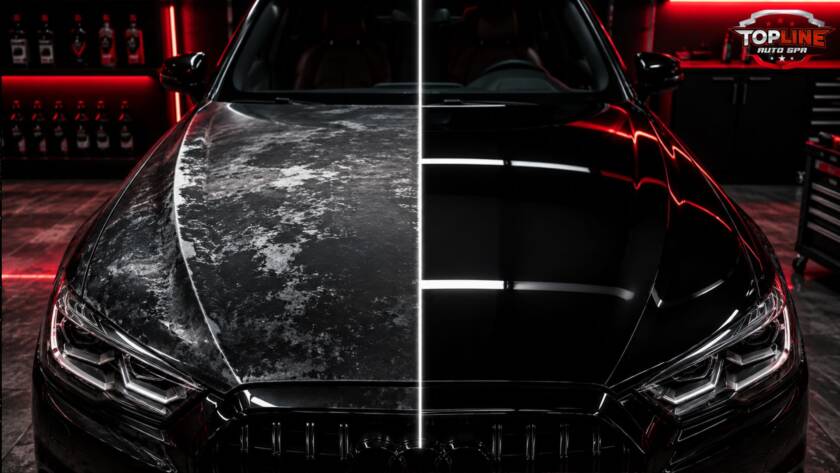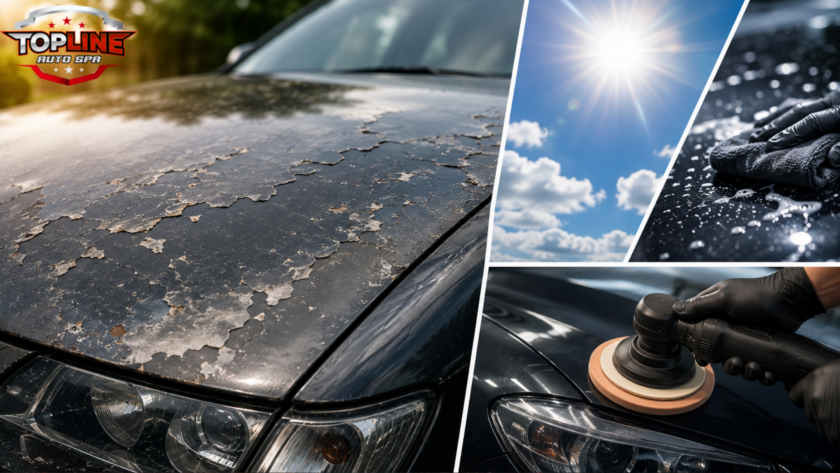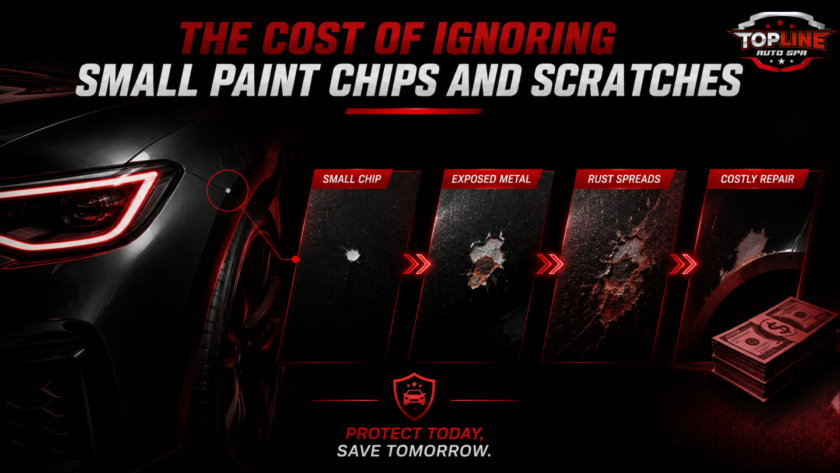
Many car owners notice rough spots, dullness, or marks on their vehicle and immediately assume the paint is damaged. In reality, not every imperfection means your paint is ruined. Sometimes the issue is simply surface contamination—something sitting on top of the paint rather than damaging it permanently.
Your car might look clean—but that doesn’t mean it’s truly protected. In reality, your vehicle is exposed to multiple hidden threats every day that slowly damage the paint. These aren’t always obvious, which is why many car owners only notice the problem when the shine is already gone.
From sunlight to improper washing habits, small factors add up over time and lead to fading, scratches, and long-term deterioration.
In this guide, you’ll discover the hidden causes behind car paint damage and simple ways to prevent them before they turn into expensive repairs.
Window tinting is one of the most popular upgrades for cars—but not all tints are created equal. While cheap window tint might seem like a great way to save money upfront, many car owners end up paying more in the long run due to poor quality, fading, and frequent replacements.
So, is it really worth going cheap, or should you invest in better quality from the start?
Your car might look clean after a wash—but that doesn’t mean it actually is. Hidden contaminants like brake dust, industrial fallout, and embedded grime stick to your paint and slowly damage it over time.
Modern cars are smarter than ever—and one of the most underrated features is the rain sensor system. Instead of manually adjusting wipers during sudden rain, your car can detect moisture on the windshield and respond instantly.
But how does your vehicle actually “know” when it’s raining? And why does proper maintenance matter for this system to work correctly?
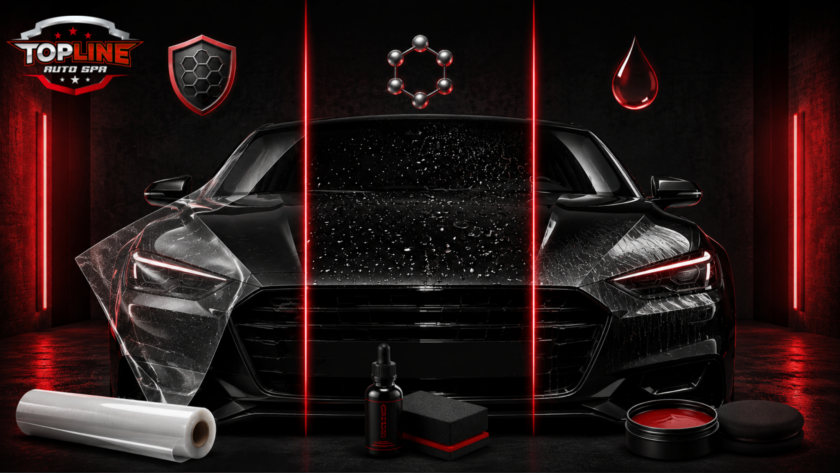
Understanding this technology is important, especially since your windshield and surrounding surfaces need to stay clean and damage-free. Many car owners also invest in paint protection film near me to reduce external damage that can indirectly affect visibility and sensor performance.
Your car’s windshield is no longer just a piece of glass—it’s now a critical part of your vehicle’s safety system. With modern vehicles integrating advanced technology, windshields have evolved to support features like lane assist, automatic braking, and rain-sensing wipers.
This is where the difference between regular and ADAS-enabled windshields becomes important. If you’re unaware of how these systems work, even a small mistake like improper installation or damage can affect your car’s safety.
To protect such advanced systems, many owners now consider solutions like paint protection film near me, especially for areas exposed to damage during daily driving.